
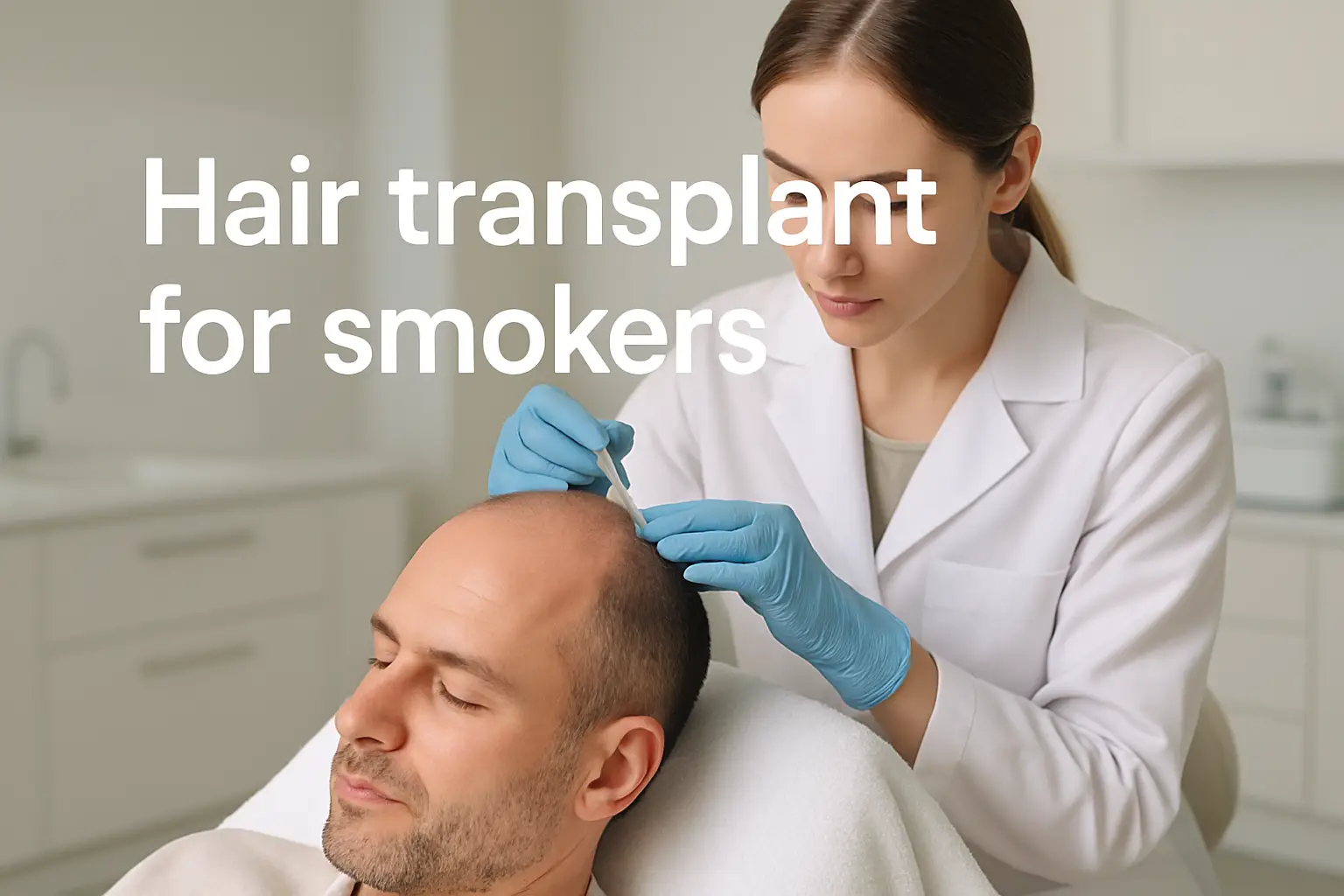
Hair Transplant for Smokers: What You Need to Know for Successful Results
Hair transplantation remains one of the most effective solutions for restoring hair density in individuals experiencing hair loss. However, smokers face unique challenges when undergoing this procedure due to the detrimental effects of smoking on blood circulation, wound healing, and scalp health. These factors are critical for the survival and growth of transplanted hair follicles. This comprehensive guide explores how smoking impacts hair transplant outcomes, essential precautions smokers should take, and practical strategies to maximize the success of hair restoration.
How the Impact of Smoking on Hair Transplant Success Works
Hair transplant surgery involves relocating healthy hair follicles from donor sites—typically the back or sides of the scalp—to balding or thinning areas. The success of this procedure heavily depends on adequate blood supply and a healthy scalp environment to nourish the transplanted follicles.
Smoking introduces harmful substances such as nicotine and carbon monoxide into the bloodstream, leading to vasoconstriction—the narrowing of blood vessels. This reduces oxygen and nutrient delivery to the scalp, impairing graft survival and slowing the healing process. Additionally, smoking suppresses immune function and delays tissue regeneration, increasing the risk of infections, scarring, and graft failure.
How Smoking Accelerates Hair Loss
Beyond affecting transplant outcomes, smoking actively contributes to hair loss through multiple biological pathways:
- Vasoconstriction: Nicotine narrows blood vessels, limiting oxygen and nutrient supply vital for healthy hair follicles.
- Oxidative Stress: Free radicals from cigarette smoke damage follicular cells, accelerating hair follicle aging.
- Chronic Inflammation: Smoking induces inflammatory responses in the scalp, weakening hair follicles over time.
- Hormonal Imbalance: Smoking elevates androgen and stress hormone levels, which can exacerbate hair thinning.
These factors accelerate follicular miniaturization, leading to thinner, weaker hair strands and faster progression of hair loss. Carbon monoxide’s high affinity for hemoglobin further deprives follicles of oxygen, compounding the problem.
Signs of Hair Loss in Smokers
Smokers often experience more severe and earlier onset hair loss symptoms compared to non-smokers. Key signs include:
- Thinning hair on the crown and frontal scalp
- Increased hair shedding during daily grooming
- Visible scalp through thinning hair
- Dry, brittle hair prone to breakage
- Delayed hair regrowth after shedding episodes
Smoking also contributes to scalp dryness, irritation, dandruff, and heightened susceptibility to infections, all of which can worsen hair loss. Early consultation with a dermatologist or hair restoration specialist is essential for timely diagnosis and treatment.
Strategies to Enhance Hair Transplant Outcomes for Smokers
Although smoking complicates hair transplantation, successful results are achievable with appropriate preparation and care. Consider the following recommendations:
- Quit Smoking Before Surgery: Ceasing smoking at least 2 to 4 weeks prior to the procedure significantly improves blood flow, oxygen delivery, and immune response, all critical for graft survival and healing.
- Abstain from Smoking During Recovery: Avoid smoking throughout the postoperative period to reduce infection risk, promote faster wound healing, and maximize graft retention.
- Utilize Adjunctive Therapies: Treatments such as platelet-rich plasma (PRP) injections and topical minoxidil can stimulate hair follicle activity and support transplant success.
- Maintain Balanced Nutrition: A diet rich in biotin, vitamins D and E, zinc, iron, and other essential nutrients fosters hair follicle regeneration and overall scalp health.
- Manage Stress and Exercise Regularly: Both improve circulation and create a conducive environment for hair growth.
- Choose Experienced Surgeons and Advanced Techniques: Skilled hair restoration specialists employ minimally invasive methods and meticulous graft handling to reduce trauma and enhance follicle viability, which is particularly important for smokers.
Open communication with your surgeon is crucial to develop a personalized treatment plan addressing smoking-related risks and optimizing your chances for a successful hair transplant.
Cost Considerations for Hair Transplantation in Smokers
The cost of hair transplantation depends on several factors, including:
- Extent of Hair Loss: Larger or more complex areas require more grafts and longer surgical time.
- Technique Used: Follicular Unit Extraction (FUE) and Follicular Unit Transplantation (FUT) vary in cost, recovery time, and suitability.
- Surgeon’s Expertise: Highly experienced surgeons with proven success records may charge premium fees.
- Additional Treatments: PRP therapy, medications, and follow-up visits contribute to overall expenses.
- Extra Care for Smokers: Preoperative counseling and enhanced postoperative monitoring may increase costs.
Since hair transplantation is typically a cosmetic procedure, insurance coverage is uncommon. Discuss all financial aspects during your consultation and plan for possible multiple sessions or supportive therapies to achieve the best results.
Comparing Hair Transplant Outcomes: Smokers vs. Non-Smokers
| Outcome Factor | Smokers | Non-Smokers |
|---|---|---|
| Graft Survival Rate | Lower due to reduced blood flow and oxygenation | Higher with optimal healing conditions |
| Healing Time | Prolonged with increased infection risk | Shorter with fewer complications |
| Hair Density and Quality | Potentially thinner, slower growth | Typically denser, more consistent growth |
| Postoperative Complications | Elevated risk of graft loss and scarring | Lower incidence of complications |
| Pre/Postoperative Care | Requires strict smoking cessation and close monitoring | Standard care protocols suffice |
Frequently Asked Questions About Hair Transplant for Smokers
Can smokers successfully undergo hair transplant surgery?
Yes, smokers can undergo hair transplant surgery. However, smoking negatively affects healing and graft survival. Quitting smoking before and after the procedure greatly improves the likelihood of successful results.
How long should smokers stop smoking before the surgery?
It is recommended to stop smoking at least 2 to 4 weeks before surgery to enhance blood circulation and tissue oxygenation, which are vital for graft acceptance and healing.
Does smoking affect recovery after a hair transplant?
Yes, smoking delays wound healing, increases infection risk, and reduces the survival rate of transplanted follicles, leading to slower and less effective recovery.
Are there special treatments to support smokers after hair transplantation?
Adjunctive treatments such as platelet-rich plasma (PRP) injections and topical minoxidil are often recommended to stimulate hair growth and improve transplant outcomes in smokers.
Will smoking cause transplanted hair to fall out?
Smoking raises the risk of graft failure and hair loss due to impaired circulation and inflammation. However, quitting smoking significantly reduces these risks and helps maintain transplanted hair.
Is hair transplantation more expensive for smokers?
The base cost of the procedure is generally similar, but smokers may incur additional expenses for preoperative counseling, enhanced postoperative care, and adjunctive therapies, which can increase overall costs.
Can I smoke immediately after hair transplant surgery?
It is strongly advised to avoid smoking for several weeks following surgery to ensure optimal healing and minimize complications.
References
- Shin, H. S., et al. (2019). “Impact of smoking on hair growth and hair transplantation outcomes.” Journal of Dermatological Science, 95(2), 105-112. DOI: 10.1016/j.jdermsci.2019.01.002
- Kim, J. E., & Lee, S. Y. (2021). “Effects of nicotine on wound healing and hair follicle regeneration.” Wound Repair and Regeneration, 29(3), 400-409. PMID: 33567890