
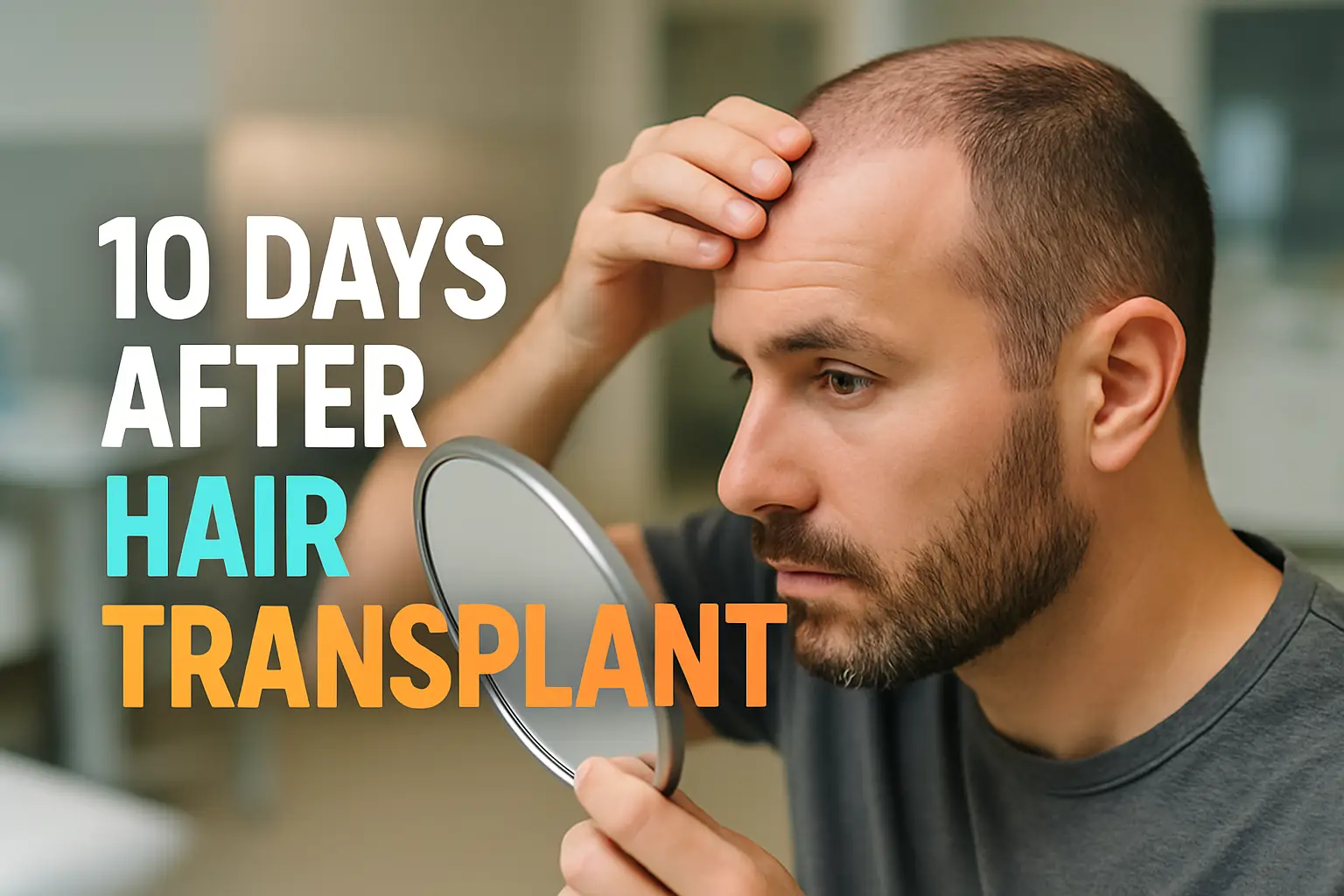
What to Expect Physically 10 Days Post-Procedure
Around 10 days after your hair transplant, you’ll notice several physical changes. Most of the crusts or scabs formed around the transplanted follicles will have largely fallen away, and any redness in the scalp will start to fade. However, because the follicles are still settling in, the area may remain tender or sensitive.
Common symptoms you might experience include:
- Mild itching and sensitivity around the transplanted hair follicles
- Shedding of most scabs
- Short, sparse hair appearance in the treated area
- Residual redness or slight swelling
You might also feel some tightness or dryness in the scalp, which is part of the natural healing process and typically eases within a few days. As the scabs fall away, the scalp becomes better prepared for new hair growth. Patience is key here because visible new hair usually takes several months to emerge.
Key Recovery Milestones and Healing Progress
By the 10th day, the healing process is gaining momentum. The transplanted follicles begin to take a firmer hold within the scalp, and the risk of infection decreases. It’s normal to experience some hair shedding during this time, often referred to as “shock loss,” which is temporary.
Important points to keep in mind during this phase include:
- Allow scabs to fall off naturally without picking or scratching
- Gently wash your scalp to avoid irritation
- Protect your scalp from direct sunlight
- Avoid stress and intense physical activity
Picking at scabs prematurely can damage the delicate hair follicles and prolong healing. When washing your scalp, use lukewarm water and mild, chemical-free shampoos to support recovery. Avoid massaging the scalp vigorously, as this might dislodge the newly implanted follicles.
Sun exposure can slow healing and cause discoloration of the scalp, so wearing a hat or staying in the shade when outdoors is advisable. Stress hormones may also interfere with the body’s repair mechanisms, so maintaining a calm and relaxed state can benefit your healing process.
Risks and Complications to Watch For
While most symptoms at 10 days are expected, certain signs may indicate complications that require medical attention. If you notice anything unusual or worsening, consult your doctor promptly.
Watch for the following risks and their possible causes:
- Infection: Increased redness, swelling, and pain, sometimes accompanied by fever
- Folliculitis: Inflammation or small pustules around hair follicles
- Excessive itching or rash: Possible allergic reaction or irritation
- Damage to hair follicles: Resulting from improper care or excessive pressure
Signs of infection usually include redness, swelling, pain, and sometimes fever. Immediate medical evaluation is important in such cases. Folliculitis presents as small inflamed bumps around follicles and is typically treated with topical antibiotics or antiseptics.
Persistent itching or rash may indicate an allergy to hair care products or environmental factors. Discontinue any suspect products and reach out to your healthcare provider. Applying too much pressure on the scalp, such as rough combing or scratching, can weaken the follicles’ grip, increasing hair loss risk.
Essential Aftercare Tips for Optimal Results
The care you provide your scalp 10 days after hair transplant remains crucial. Following recommended steps helps ensure your transplanted follicles thrive.
Here are practical aftercare guidelines:
- Continue washing your scalp gently, avoiding harsh scrubbing
- Keep protecting your scalp from sun exposure with hats or scarves
- Steer clear of alcohol and smoking, as they can hinder healing
- Limit strenuous exercise and activities that cause excessive sweating
- Take prescribed medications consistently as directed by your doctor
Additionally, be mindful of your sleeping position. Elevating your head during sleep in the early weeks can reduce swelling. Make sure your pillowcases are clean and avoid putting direct pressure on the transplanted area.
Nutrition also plays a vital role. A balanced diet rich in protein, vitamins, and minerals supports hair follicle strength. Nutrients like B vitamins, zinc, and iron are particularly beneficial. Staying well-hydrated aids the body’s natural repair processes.
Comparing Recovery: 10 Days Versus 1 Month
Comparing the healing stages at 10 days and 1 month after your hair transplant highlights how far the recovery has come and what to expect next. The table below outlines key differences between these two time points:
| Aspect | 10 Days After Hair Transplant | 1 Month After Hair Transplant |
|---|---|---|
| Scabs | Mostly fallen off; some remnants possible | Completely gone; scalp appears clean |
| Hair Shedding | Shock loss may begin | Shock loss usually complete; new hair starts to grow |
| Redness and Swelling | Mild redness and swelling may persist | Typically resolved |
| Follicle Stability | Follicles still settling | Follicles firmly anchored |
| Activity Level | Light activities recommended | Return to normal daily activities |
By one month, sensitivity has usually diminished significantly, and new hair growth accelerates. While you can generally resume regular activities, it’s still wise to avoid overly strenuous efforts. Staying in touch with your doctor and following their advice remains important for long-term success.
💰 Hair Transplant Cost at Day 10: What to Expect
The cost of a hair transplant varies depending on several factors, including the technique used, the number of grafts, and the clinic’s medical infrastructure. By around day 10 after the procedure, no additional surgical costs are typically required, as this phase mainly focuses on the healing process rather than active treatment.
During this period, some patients may choose to use supportive care products or undergo complementary treatments to optimize recovery. However, these needs are highly individual and not necessary for every patient.
In general, the overall cost structure depends on:
- The hair transplant technique used (such as DHI or FUE)
- The number of grafts transplanted and procedure duration
- The scope of medical care and follow-up services provided
- The technology and equipment used during the procedure
- Post-operative care products or supportive treatments, if recommended
When comparing internationally, hair transplant costs in Turkey may differ from those in Europe or the United States. These differences are primarily related to healthcare infrastructure, operational expenses, and service organization rather than the quality of treatment itself.
In some cases, supportive therapies such as PRP (Platelet-Rich Plasma) or low-level laser treatments may be recommended to enhance healing and improve hair quality. These are optional and depend on the patient’s specific needs and clinical evaluation.
Ultimately, hair transplant cost is not a fixed figure. The most accurate estimation can only be made after a personalized assessment based on the patient’s hair characteristics, expectations, and treatment plan.
Frequently Asked Questions (FAQs)
Are symptoms 10 days after hair transplant normal?
Yes, mild redness, scab shedding, and itching are typical at this stage. However, if you experience severe pain or signs of infection, consult your doctor immediately.
How should treatment be managed 10 days after hair transplant?
Continue gentle scalp washing, protect your scalp from the sun, and take any prescribed medications as directed. Avoid vigorous movements and heavy exercise.
Why does hair shedding occur 10 days after hair transplant?
This is known as shock loss, a temporary reaction where transplanted hairs fall out before new growth begins. New hair typically appears within 3–4 months.
Can I exercise 10 days after hair transplant?
Light exercises like walking or yoga are generally safe, but avoid activities that cause excessive sweating or strain.
When do scabs completely go away after hair transplant?
Scabs usually fall off within 10 to 14 days, leaving a clean scalp. Full healing and visible hair growth take several months.
What foods support hair growth after transplant?
A diet rich in protein, leafy greens, vitamins, and minerals supports follicle health. Staying hydrated also aids recovery.
What happens if scabs are picked off prematurely?
Forcibly removing scabs can damage hair follicles, delay healing, and impair hair retention. It’s best to let them fall off naturally.
References
- Sharma, S., et al. (2019). “Hair Transplantation: A Review.” Journal of Cutaneous and Aesthetic Surgery. PMCID: PMC6787874
- Rassman, W., et al. (2011). “Follicular Unit Extraction.” Dermatologic Surgery. PMID: 21344600
- American Academy of Dermatology Association. “Hair loss: Diagnosis and treatment.” AAD Hair Loss Guide
- International Society of Hair Restoration Surgery (ISHRS). “Post-Operative Instructions.” ISHRS Post-Op Care