Removing Scabs After Hair Transplant Surgery

Removing Scabs After Hair Transplant Surgery

Removing scabs after hair transplant surgery is one of the most important steps in the recovery process. These tiny crusts are a natural part of healing — they form to protect the transplanted grafts and help your scalp recover. However, knowing when and how to remove scabs correctly is essential to ensure successful results and avoid damaging the new hair follicles.

At Quartz Hair Clinic in Istanbul, we guide every patient through each phase of the healing process, from surgery to full recovery. Let’s explore the safest techniques and post-operative care tips for scab removal after hair transplant surgery.

Why Do Scabs Form After Hair Transplant?

Scabs (or crusts) form as part of the body’s natural defense mechanism. During the procedure, hundreds or even thousands of micro-incisions are made on the scalp to implant new hair follicles. This process causes minor bleeding, leading to the formation of scabs to protect the healing wounds.

Scabs typically begin forming on the 2nd or 3rd day after the procedure, and they serve as a protective barrier to prevent infection and help the follicles stay in place. After your first gentle washes, these scabs will gradually soften and fall off on their own.

The Importance of Removing Scabs After Hair Transplant

While scabs are a natural and necessary part of healing, they should not stay on the scalp for too long. If left unremoved, they can block oxygen flow to the newly transplanted grafts, potentially affecting regrowth.
However, removing them too early or aggressively can dislodge grafts and lead to patchy results.

That’s why timing, technique, and patience are crucial.

Scab Formation and Healing Timeline After Hair Transplant

Days After SurgeryScalp ConditionRecommended Care
Day 1–3Tiny scabs and mild redness form on the recipient areaAvoid touching or washing the scalp; keep area clean and dry
Day 4–6Scabs harden and protect implanted graftsBegin gentle washing as instructed by your surgeon
Day 7–10Scabs begin to soften and fall off naturallyMassage gently with lotion or foam; use pH-balanced shampoo
Day 11–14Most scabs disappear, scalp looks cleanerConsult your doctor if scabs persist beyond two weeks

How to Remove Scabs After Hair Transplant: Step-by-Step

The best way to remove scabs is through proper washing and moisturizing, not picking or scratching.

1. Start Gentle Washing After 2–3 Days
Your doctor will provide a special lotion and shampoo. Apply the lotion gently over the transplanted area, leave it for about 30 minutes to soften the scabs, and rinse with small cups of lukewarm water.

2. Use pH5 Shampoo and Foam
During the first wash (usually around day 3), use a pH5 mild shampoo and crust-removing foam recommended by your clinic.
Allow the foam to sit on the scalp for 20–30 minutes before rinsing.

3. Avoid Using Fingernails
Always use your fingertips — never your nails — to massage the area. Picking can dislodge grafts and harm healing tissue.

4. Moisturize Daily
Use a gentle, clinic-approved moisturizer to keep the scalp hydrated. This helps soften scabs naturally and accelerates their shedding.

5. Massage Lightly After Day 7
After one week, once grafts have stabilized, you may begin light circular massages while washing. This helps remove any remaining crusts safely.

What Not to Do After Hair Transplant

To promote quick and healthy healing, follow these precautions:

  • Don’t scratch or pick your scalp.
  • Avoid hot water, saunas, and direct sunlight for at least two weeks.
  • Don’t smoke or drink alcohol for at least 3–5 days post-surgery — both delay healing.
  • Avoid heavy exercise or bending over for long periods.
  • Refrain from applying home remedies, oils, or creams not prescribed by your doctor.

If scabs persist longer than two weeks or the area shows redness, swelling, or pain, consult your surgeon immediately.

When Will Scabs Fall Off After Hair Transplant?

In most cases, scabs begin to fall off between days 7 and 14 after surgery.
By the end of the second week, the scalp should appear cleaner, and transplanted follicles should be firmly in place.

If the scabs haven’t fully disappeared after two weeks, your doctor might assist with a professional cleaning during your follow-up visit.

Can Scabs Affect Hair Growth?

If scabs are removed properly and at the right time, they will not harm your new grafts.
However, removing them too early can pull out follicles, while leaving them too long may suffocate the transplanted hairs.
That’s why timing and technique — guided by your surgeon’s post-op care plan — are essential for optimal growth.

Quick Recovery Tips for Patients

  • Use saline spray five days after surgery to keep your scalp hydrated.
  • You may soak your head in lukewarm water with baby oil for 30–45 minutes to soften crusts before washing.
  • Be gentle — let the scabs fall naturally rather than trying to peel them off.
  • Maintain a healthy diet and hydration to speed up scalp recovery.

Scabbing after a hair transplant is completely normal and temporary.
With proper aftercare and patience, your scalp will heal beautifully within two weeks, and your newly transplanted follicles will be ready to grow strong, natural-looking hair.

At Quartz Hair Clinic in Istanbul, our medical specialists provide detailed post-operative care instructions, personalized follow-ups, and advanced healing treatments to ensure the best results after your hair transplant.
Painless and Needle-Free Hair Transplant

Painless and Needle-Free Hair Transplant

Painless and needle-free hair transplant techniques have revolutionized the way patients experience hair restoration surgery.
One of the most common concerns among individuals considering a hair transplant is the fear of pain and needles during anesthesia. Thanks to modern technology, this fear is now a thing of the past.

Hair transplantation remains the most effective and permanent solution for hair loss caused by genetics, hormonal imbalance, trauma, or disease. Today, both men and women can undergo FUE or Sapphire hair transplant comfortably and pain-free with innovative needle-free anesthesia systems.

Is Hair Transplantation Painful?

The fear of pain is one of the main reasons people hesitate to undergo hair transplantation. However, with local anesthesia and sedation, the procedure is virtually pain-free.
During the operation, only the scalp is numbed, ensuring that the patient stays fully conscious and comfortable.

Patients might feel slight pressure or a mild tingling during anesthesia administration, but once numbness sets in, no pain is felt throughout the entire surgery.
Most patients describe the experience as comfortable and surprisingly easy.

What Is a Painless and Needle-Free Hair Transplant?

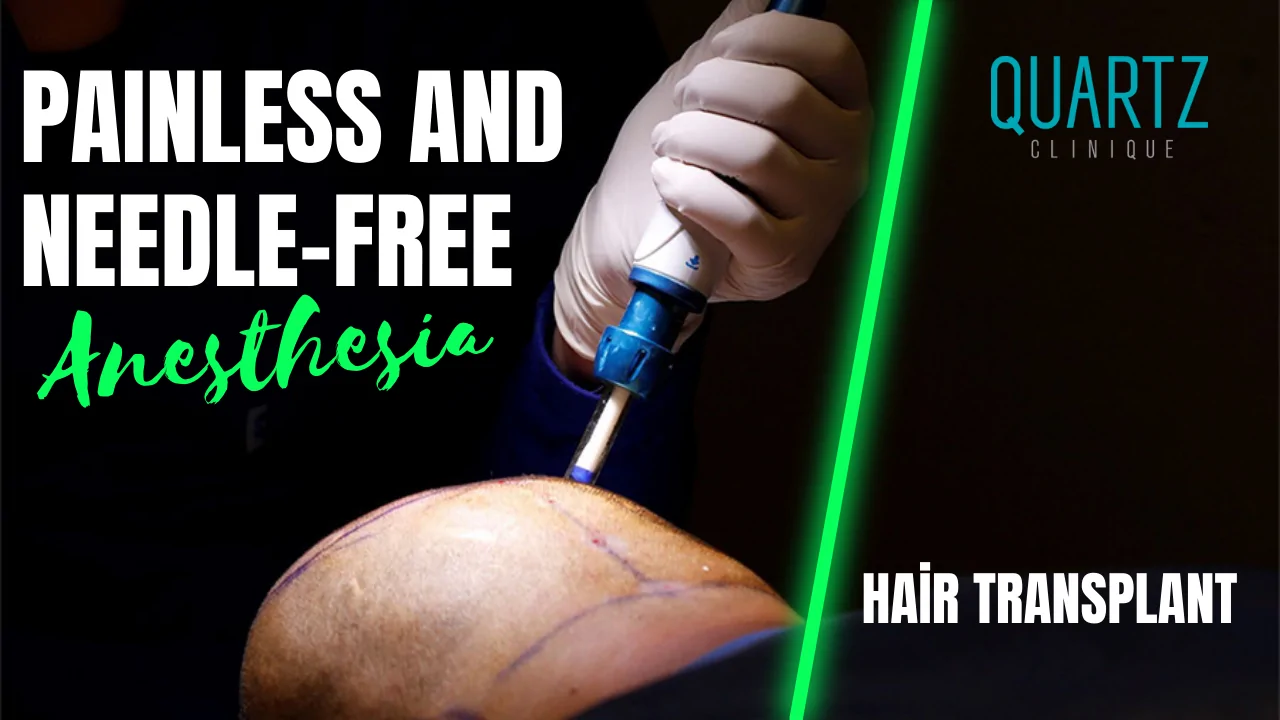
The needle-free hair transplant method uses high-pressure technology to deliver local anesthetic medication beneath the skin without using traditional needles.
The anesthetic penetrates the tissue through a pressurized spray device, diffusing quickly into the target area and numbing the nerves that transmit pain.

This system is especially beneficial for:

  • Patients with needle phobia (trypanophobia)
  • Those with low pain tolerance
  • Individuals seeking a more comfortable and anxiety-free experience

Even though minor pressure can still be felt, this technique eliminates the sharp sting of needle injections, providing a more relaxed and stress-free start to the procedure.

How Does Needle-Free Anesthesia Work?

During a Sapphire or FUE hair transplant, local anesthesia is applied twice:

  1. To the donor area (usually the back of the head)
  2. To the recipient area (where grafts will be implanted)

With the needle-free injector, anesthetic drugs are sprayed under high air pressure.
Once absorbed, the medication blocks pain signals from reaching the nerves, ensuring that the patient remains completely comfortable during graft extraction and implantation.

Some additional tumescent anesthesia may still be required with fine needles to enhance numbness, but the discomfort is greatly reduced compared to traditional methods.

Advantages of Painless and Needle-Free Hair Transplant

The latest innovations in local anesthesia offer many advantages that make hair transplantation safer and more comfortable than ever before.

BenefitDescription
No needle injectionsAnesthetic is delivered via air pressure — no sharp needle penetration
Less swelling and bruisingNo repeated punctures minimize redness and post-anesthesia swelling
Lower risk of infectionSkin remains intact, reducing contamination risk
Faster and more precise numbingLarger areas can be anesthetized evenly and quickly
Comfort for anxious patientsIdeal for those afraid of needles or sensitive to pain

Do You Feel Pain During or After a Hair Transplant?

During surgery, no pain is felt once local anesthesia takes effect. The numbing lasts for several hours and is refreshed throughout the procedure as needed.
Patients may only feel minor pressure or stretching sensations from movement but not actual pain.

After the surgery, some mild soreness or tightness may occur once anesthesia wears off. However, your doctor will prescribe pain relievers to keep you comfortable during the first evening.
Most patients report no pain at all by the next morning and don’t require additional medication.

What Happens During a Painless Hair Transplant?

Here’s a simplified overview of what you can expect:

  1. Preparation & Marking: The doctor designs the new hairline and prepares donor and recipient zones.
  2. Needle-Free Anesthesia: The anesthetic is applied through air pressure, numbing the scalp.
  3. Graft Extraction: Hair follicles are harvested painlessly using the FUE method.
  4. Canal Opening & Implantation: Tiny channels are created with a Sapphire blade for natural direction, and grafts are implanted carefully.
  5. Post-Op Care: After the operation, the area is cleaned, and the patient receives personalized care instructions.

How to Minimize Pain After Hair Transplant

Even though modern procedures are nearly pain-free, following these aftercare tips ensures optimal comfort and recovery:

💊 Take prescribed painkillers or anti-inflammatory medication on time.

🧴 Keep your scalp clean and moisturized as instructed.

💤 Sleep with your head elevated for the first few nights.

🚫 Avoid smoking and alcohol — they slow healing and can cause swelling.

💧 Stay hydrated and eat a nutrient-rich diet for faster recovery.

Why Choose Quartz Hair Clinic for Painless Hair Transplant?

At Quartz Hair Clinic Istanbul, we combine cutting-edge techniques such as DHI, FUE, and Sapphire hair transplant with needle-free anesthesia systems to provide the most comfortable experience possible.
Our internationally trained surgeons and experienced medical staff ensure natural results with minimal discomfort, even for patients with needle anxiety.

We also offer:

  • Sedation options for complete relaxation
  • State-of-the-art sterile surgical rooms
  • Continuous post-operative support and check-ups

The painless and needle-free hair transplant is transforming patient experiences in modern hair restoration.
Through advanced anesthesia systems, patients can achieve natural, permanent results without pain, fear, or anxiety.
Choosing a skilled and certified medical team is the key to ensuring safety, comfort, and long-term satisfaction.

How To Remove Edema After Hair Transplant?

How To Remove Edema After Hair Transplant?

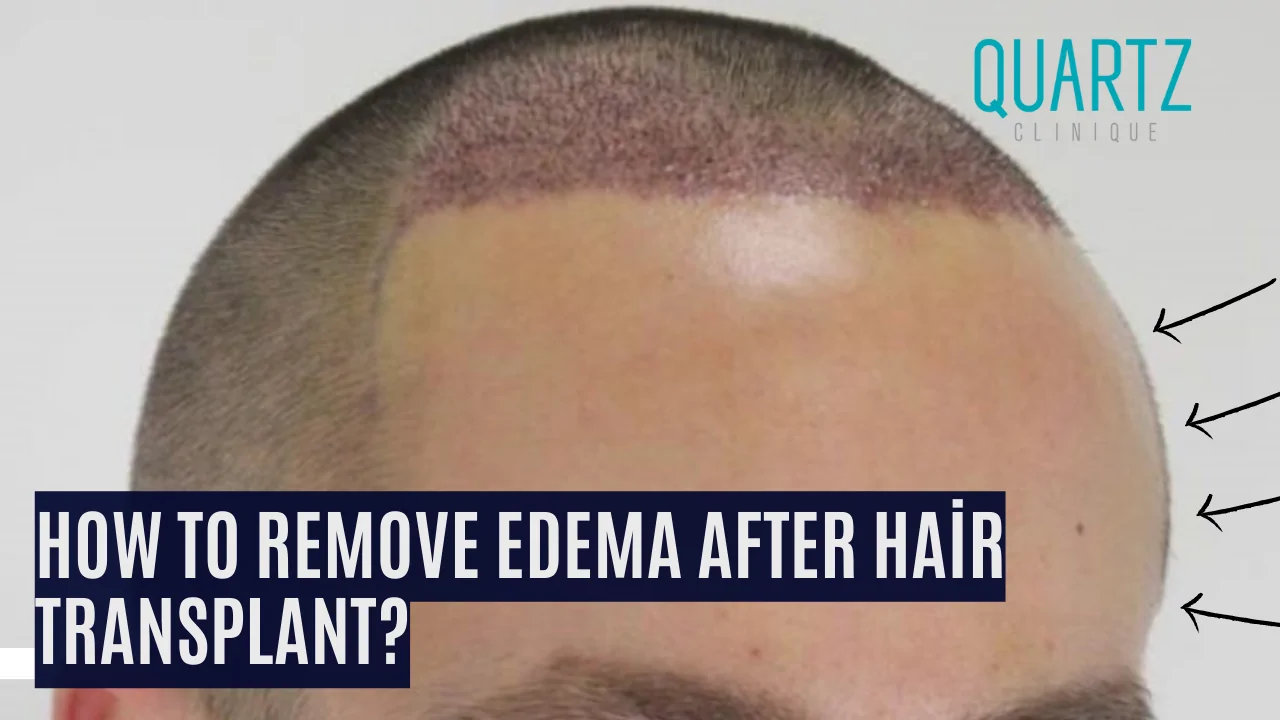
Mild swelling, known medically as edema, is one of the most common temporary side effects after hair transplantation. It usually appears within the first few days following surgery — especially on the forehead and around the eyes — and tends to resolve naturally within a few days.

While this swelling is not dangerous, it can cause discomfort or temporary cosmetic concern. Fortunately, there are several effective ways to reduce edema after a hair transplant and promote faster recovery.

At Quartz Hair Clinic in Istanbul, our surgeons provide detailed aftercare instructions to minimize swelling, speed up healing, and ensure the most natural-looking results.

What Causes Edema After Hair Transplant?

Swelling occurs as part of the body’s natural healing response to surgical trauma. During hair transplant surgery (such as FUE or DHI), small incisions are made in the scalp to insert grafts. The body reacts by increasing fluid and blood flow to the area to protect and heal the tissue.

Several factors can contribute to swelling after a hair transplant:

  • Local anesthesia: During the procedure, anesthesia fluid is injected under the scalp. As this fluid disperses post-surgery, it can move downward, causing temporary puffiness in the forehead and around the eyes.
  • Inflammatory response: The immune system sends white blood cells to repair tissue, which may lead to short-term swelling.
  • Gravity and skin elasticity: In some patients, especially those with loose skin or older age, fluids tend to collect around the eyes or forehead.
  • Duration of surgery: Longer procedures may increase fluid retention, slightly intensifying post-op swelling.

Is Swelling After Hair Transplant a Sign of a Problem?

In most cases, edema is completely normal and harmless. It typically peaks around the third or fourth day after surgery and fades away by the end of the first week.

However, persistent swelling accompanied by symptoms such as pain, pus, itching, or fever could indicate infection or another complication. In such cases, contact your surgeon immediately.

Avoid driving or operating machinery if swelling affects your vision. Most patients can safely resume their daily activities once swelling subsides.

How Common Is Edema After Hair Transplant?

Studies show that approximately 50–55% of hair transplant patients experience some degree of swelling.
Those who follow post-operative care instructions or receive steroid prophylaxis often experience milder symptoms.

In short, it’s a common but temporary side effect — not a sign of a failed or “botched” procedure.

Timeline of Swelling After Hair Transplant

DayWhat HappensRecommended Care
Day 1–2Mild forehead tightness may appear as anesthesia begins to wear offKeep head elevated, avoid touching or bending forward
Day 3–4Swelling may shift to the forehead and around the eyesApply cold compresses, avoid exercise or sauna
Day 5–7Swelling begins to subside graduallyDrink plenty of water and follow your doctor’s medication plan
After Day 7Most swelling disappears; only minor puffiness may remainResume normal activities, continue gentle washing and care

Effective Ways to Reduce Edema After Hair Transplant

Even though swelling is self-limiting, the following methods can significantly reduce edema and discomfort after a hair transplant.

1. Apply Cold Compresses

Use an ice pack or cold compress on your forehead and around the eyes (not directly on the transplanted area).
Apply for 10 minutes several times a day to constrict blood vessels and reduce puffiness.

2. Sleep with Your Head Elevated

For the first 3–5 days, sleep with your head raised at a 45° angle using extra pillows or a recliner chair.
This prevents fluid from collecting in the forehead area and speeds up drainage.

3. Stay Hydrated

Drink 2–3 liters of water daily. Hydration helps the body eliminate anesthesia fluid and reduce inflammation.
Dehydration can worsen swelling and slow healing.

4. Use Steroid or Anti-Inflammatory Medication (If Prescribed)

Your surgeon may prescribe steroid tablets or topical medication to minimize swelling. Take them exactly as directed.
Avoid Ibuprofen, as it can cause water retention — instead, use paracetamol for pain relief.

5. Gentle Forehead Massage (If Approved by Your Surgeon)

After a few days, you can gently sweep the forehead from the center toward the sides using your fingertips.
This encourages lymphatic drainage and helps remove excess fluid.

6. Avoid Exercise and Sweating

For at least three days after surgery, avoid physical activities that cause sweating or increase blood pressure.
Exercise can worsen swelling or disturb grafts in the early recovery phase.

What If Swelling Doesn’t Go Away?

If edema lasts longer than 10–14 days, becomes painful, or affects your vision, contact your hair transplant surgeon immediately.
Prolonged swelling may indicate an infection or an allergic reaction, requiring professional evaluation.

Your doctor may recommend:

  • A short course of corticosteroids
  • Topical cooling gels or ointments
  • Additional hydration and rest

Avoid self-medicating with over-the-counter anti-inflammatory drugs unless specifically approved by your surgeon.

Quick Tips to Prevent Swelling After Hair Transplant

💧 Hydrate properly — drink plenty of water before and after surgery.

💤 Sleep elevated for the first week.

❄️ Use ice compresses gently on the forehead (never on grafts).

🚫 Avoid alcohol and smoking for at least three days post-surgery.

🏃‍♂️ Refrain from intense workouts until your doctor approves.

💊 Follow your medication schedule as prescribed by your surgeon.

Edema after hair transplant is a natural, temporary reaction that typically resolves within a few days.
By carefully following your surgeon’s instructions, maintaining hydration, and applying simple preventive measures, you can minimize swelling and recover more comfortably.

At Quartz Hair Clinic in Istanbul, our expert surgeons and aftercare team are committed to ensuring that each patient experiences a smooth, safe, and comfortable recovery following hair transplantation.

Scalp Necrosis After Hair Transplant

Scalp Necrosis After Hair Transplant

Every surgical procedure carries certain risks, and hair transplantation is no exception. Although complications are rare, one of the most serious — yet fortunately uncommon — side effects is scalp necrosis after hair transplant.

Recognizing the early signs of scalp necrosis is crucial because timely medical intervention can minimize damage and improve recovery outcomes. In this article, we explain what scalp necrosis is, what causes it, how it can be prevented, and what treatments are available.

What Is Scalp Necrosis?

Necrosis refers to the premature death of tissue caused by inadequate blood supply or physical trauma. Unlike programmed cell death, necrosis happens accidentally and cannot be reversed.

In hair transplant surgery, scalp necrosis occurs when the skin tissue in a specific area loses its blood flow, resulting in cell death and permanent damage.
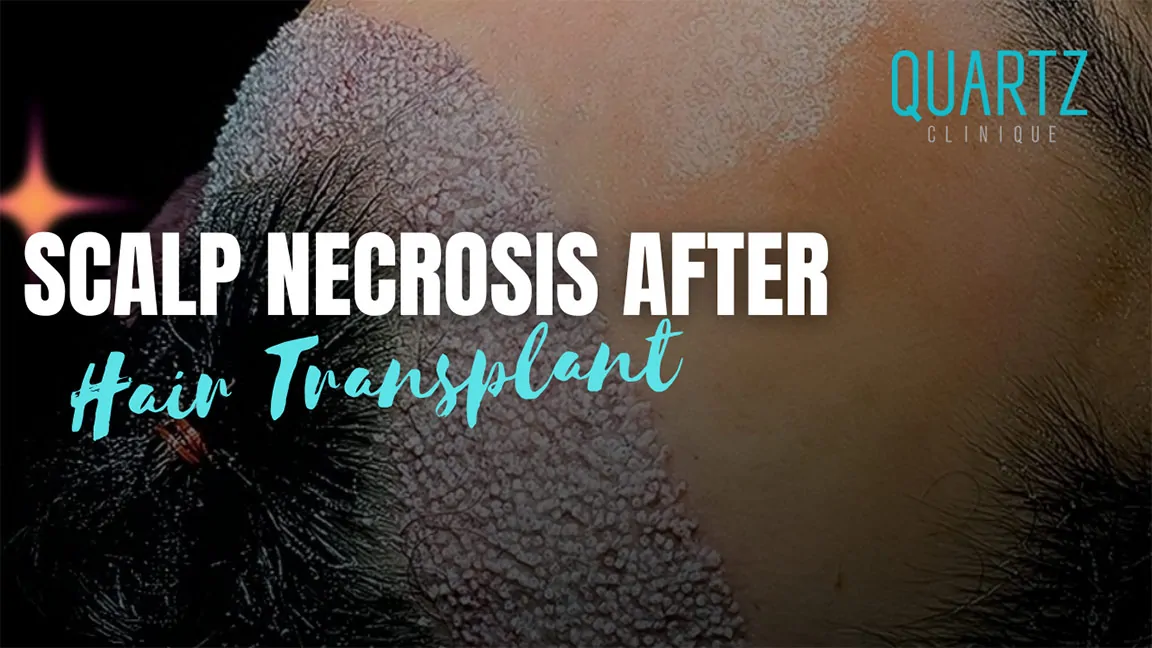
Necrotic tissue appears dark brown or black, feels leathery, and often becomes numb. Unfortunately, new hair cannot grow in areas affected by necrosis.

How to Identify Scalp Necrosis After Hair Transplant

After a hair transplant, it’s normal for small scabs to form as part of healing. However, necrosis looks very different.
Early diagnosis is vital — here are the main signs and symptoms:

  • Persistent or severe scalp pain
  • Discoloration of the skin (dark brown, gray, or black patches)
  • Swelling, redness, or numbness around the affected area
  • Delayed healing or a leathery appearance of the scalp

If you notice any of these symptoms, contact your surgeon immediately. The sooner treatment begins, the smaller the area of tissue loss.

What Causes Scalp Necrosis After Hair Transplant?

Scalp necrosis develops when blood supply to the scalp tissue is disrupted during or after the procedure. Several factors can contribute:

1. Over-Dense Graft Implantation

In an attempt to achieve maximum density, some surgeons may implant too many grafts into a small area.
This restricts oxygen flow to the tissue and damages local blood vessels, leading to reduced circulation and cell death.
A responsible surgeon carefully plans graft density to ensure each follicle receives enough oxygen and nutrients.

2. Deep or Repeated Incisions

Excessively deep or overlapping incisions can injure underlying vessels, causing poor blood flow and delayed healing.
This highlights the importance of choosing an experienced and certified surgeon familiar with advanced transplant techniques.

3. Smoking and Alcohol Use

Nicotine and alcohol constrict blood vessels, reducing oxygen delivery to scalp tissue.
Patients are advised to stop smoking and drinking at least 10 days before and after surgery to minimize vascular problems and promote faster healing.

4. Infection or Poor Hygiene

If post-operative care instructions are not followed and the scalp becomes infected, bacteria and inflammation can further damage the tissue and cause necrosis.

5. Scalp Trauma or Mega Sessions

Aggressive donor extraction (especially in large “mega sessions”) or repetitive trauma to the same area increases the risk of donor-site necrosis.
Patients with androgenetic alopecia may also have weaker vascularization, further elevating the risk.

Is Scalp Necrosis Common After Hair Transplant?

No — scalp necrosis is extremely rare, occurring in less than 1–5% of cases worldwide.
It is mostly seen after poorly performed surgeries or when post-op instructions are ignored.

Choosing an experienced surgeon with a strong medical background and advanced technology is the most effective way to prevent necrosis.

How to Treat Scalp Necrosis After Hair Transplant

If diagnosed early, necrosis management focuses on improving local blood flow and preventing infection.
Treatment may include:

  • Topical nitroglycerine spray – increases blood circulation by dilating vessels.
  • Antibiotic creams or oral medications – prevent bacterial infection.
  • Steroid therapy – may be prescribed to control inflammation.
  • Surgical debridement – in advanced cases, the necrotic tissue must be surgically removed.
  • Once healing is complete, patients can consider scar revision or secondary transplantation (only after full recovery and medical approval).

Prevention: How to Avoid Scalp Necrosis After Hair Transplant

Both the surgeon and the patient play a role in preventing necrosis.
Here’s what you can do to minimize risk:

Preventive MeasureWhy It Matters
Choose an experienced surgeonReduces the chance of over-dense grafting or deep incisions
Quit smoking and alcoholImproves blood flow and oxygen delivery to scalp tissue
Follow post-op hygiene rulesPrevents infection and promotes faster healing
Avoid overly large sessionsMinimizes trauma to donor and recipient areas

Can Hair Grow Back After Scalp Necrosis?

Unfortunately, hair does not regrow in necrotic areas because the tissue and follicles are permanently damaged.
After recovery, scar revision or tissue grafting may be considered to improve the cosmetic appearance.
This is why prevention and early diagnosis are vital.

Scalp necrosis after hair transplant is a rare but serious complication that underscores the importance of surgical expertise and post-operative care.
By choosing a qualified, experienced surgeon and adhering to all aftercare instructions, patients can avoid this complication and enjoy long-lasting, natural results.

At Quartz Hair Clinic Istanbul, our board-certified surgeons perform advanced hair restoration using safe, minimally invasive techniques with a strong focus on patient safety and post-operative monitoring.