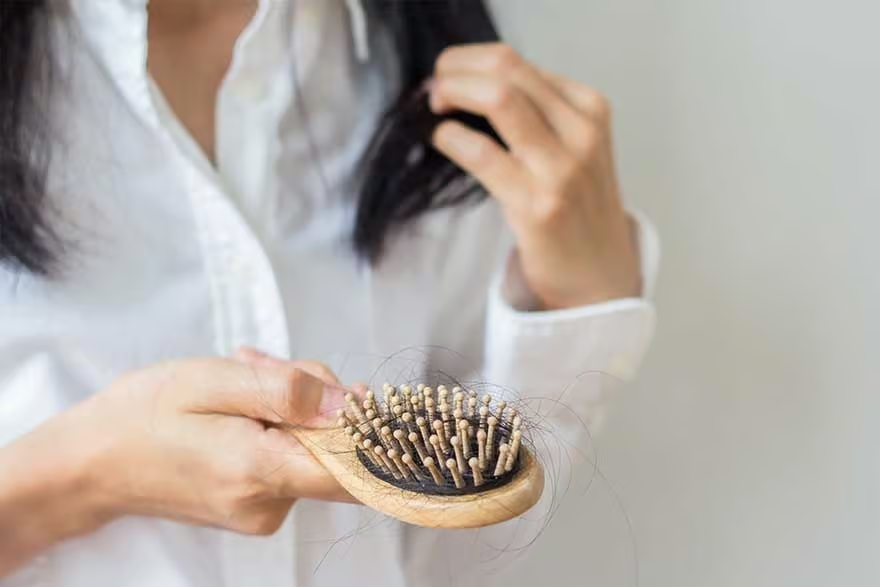
Hair Loss Treatment

Hair Loss Treatment

Hair loss is one of the most common aesthetic and psychological concerns for both men and women. On average, the scalp contains 100,000–150,000 hair follicles, and shedding 50–100 hairs per day is considered normal. When shedding exceeds this limit, it may lead to permanent hair loss caused by genetic predisposition, hormonal imbalance, stress, nutritional deficiencies, medications, or environmental factors.

Baldness not only affects physical appearance but also significantly impacts self-confidence and social life. For this reason, early diagnosis and choosing the right treatment method are crucial. Today, Turkey is one of the leading destinations for hair loss treatment, offering advanced technology, highly experienced surgeons, and cost-effective solutions compared to Europe or the US.

Types of Hair Loss

Hair loss patterns differ between men and women. Male baldness is often classified using the Hamilton–Norwood scale, while female hair thinning is evaluated with the Ludwig scale.

Scale Stage Description
Hamilton–Norwood (Men)Stage 1–2Minimal hairline recession, triangular thinning at temples
Stage 3Noticeable hair loss at temples and crown
Stage 4–7Frontal and crown baldness merging, advanced baldness
Ludwig (Women)Stage 1Mild thinning at the crown
Stage 2Visible reduction in hair density
Stage 3Severe baldness at the crown
ludwig scale of hair loss

Modern Hair Loss Treatment Methods in Turkey

  • Medication (Minoxidil, Finasteride): Effective in early stages to slow hair loss.
  • PRP (Platelet-Rich Plasma): Uses growth factors from the patient’s own blood.
  • Mesotherapy: Cocktail of vitamins and amino acids for stronger, healthier hair.
  • Exosome Therapy: Cutting-edge biotechnology that regenerates follicles.
  • Stem Cell Therapy: Laboratory-expanded cells injected to stimulate regrowth.
  • Injectable Hair Fillers: Hyaluronic acid and peptides for thickening strands.
  • Hair Transplantation (FUE, Sapphire FUE, DHI): Permanent and natural-looking results.

Comparison of Hair Loss Treatments

Treatment Main Effect Sessions Durability
MedicationSlows early-stage sheddingContinuousLimited
PRPStrengthens follicles3–4~1 year
MesotherapyImproves hair quality5–10~1 year
ExosomeCellular regeneration3–62+ years
Stem CellStimulates new growth1–2Permanent
Hair TransplantRestores bald areas1Lifetime
What Is My Norwood Hamilton scale

Hair Loss Treatment Cost in Turkey

The cost varies depending on the chosen method, number of sessions, doctor’s experience, and clinic facilities. For example:

PRP & Mesotherapy: Affordable and performed in multiple sessions.

Exosome & Stem Cell Therapy: Advanced regenerative options, higher cost but long-lasting results.

Hair Transplantation: Depends on number of grafts and chosen technique (FUE, Sapphire FUE, DHI).

Turkey remains a top destination for international patients because prices are far more competitive than in Europe or the US.

Frequently Asked Questions (FAQ)

Can hair loss be completely stopped?

In early stages, it can be controlled with medical treatments. In advanced cases, hair transplantation provides permanent results.

Do women also undergo hair transplantation?

Yes, women can successfully benefit from modern techniques.

When are results visible after a hair transplant?

New growth begins around the 3rd month and the final natural result appears after 12 months.
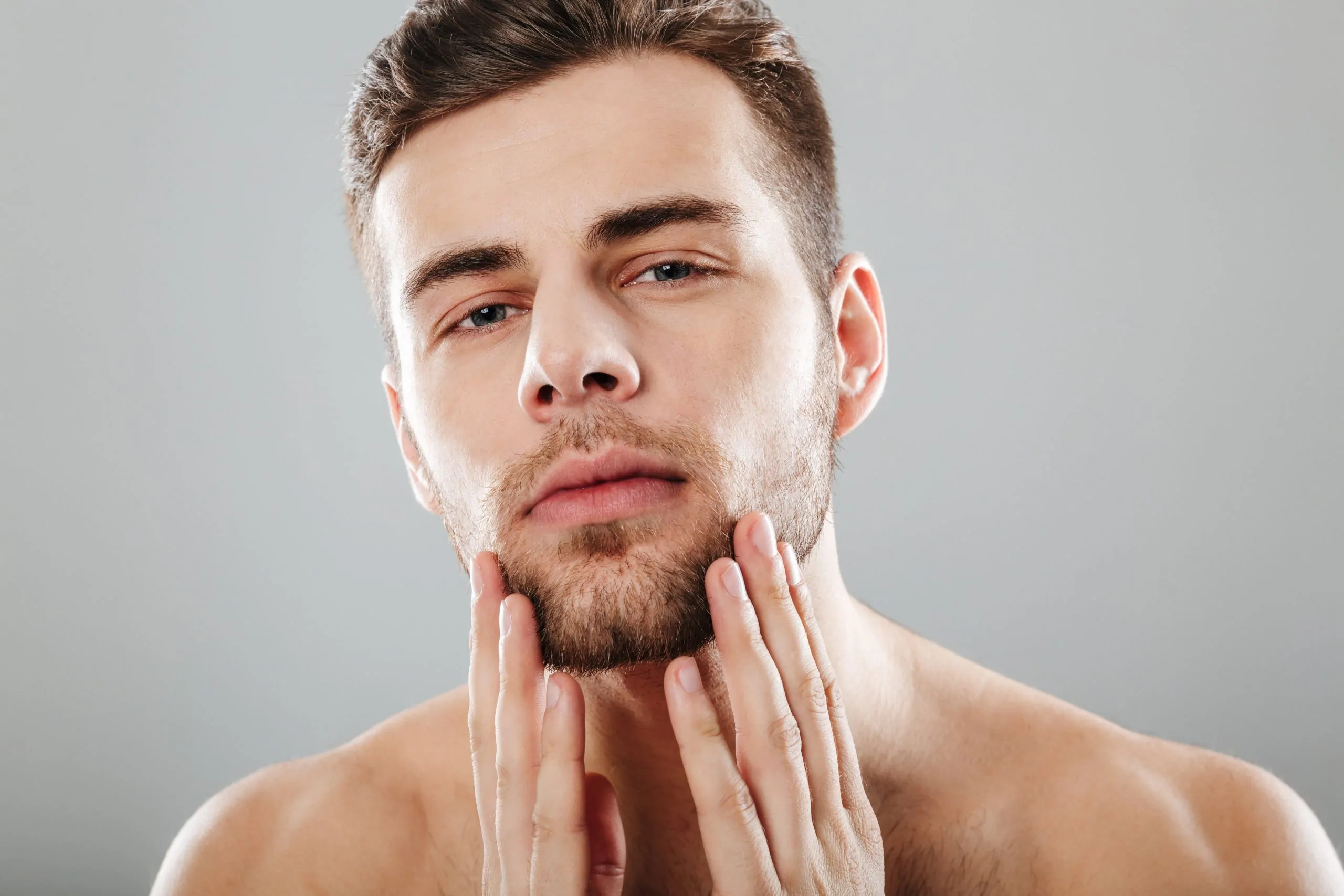
Mustache Transplant

Mustache Transplant

A mustache transplant is a highly specialized microsurgical procedure designed for men who have sparse, patchy, or absent mustache growth. Causes include genetic factors, hormonal imbalances, trauma, scars, or burns. The mustache is a defining feature of masculine appearance and plays a central role in cultural and social identity. Restoring a natural mustache line not only improves facial harmony but also strengthens confidence and self-esteem.

Turkey has become one of the most popular destinations for mustache hair transplant procedures, offering advanced technology, experienced surgeons, and affordable treatment packages that attract thousands of patients every year.

What Is a Mustache Transplant?

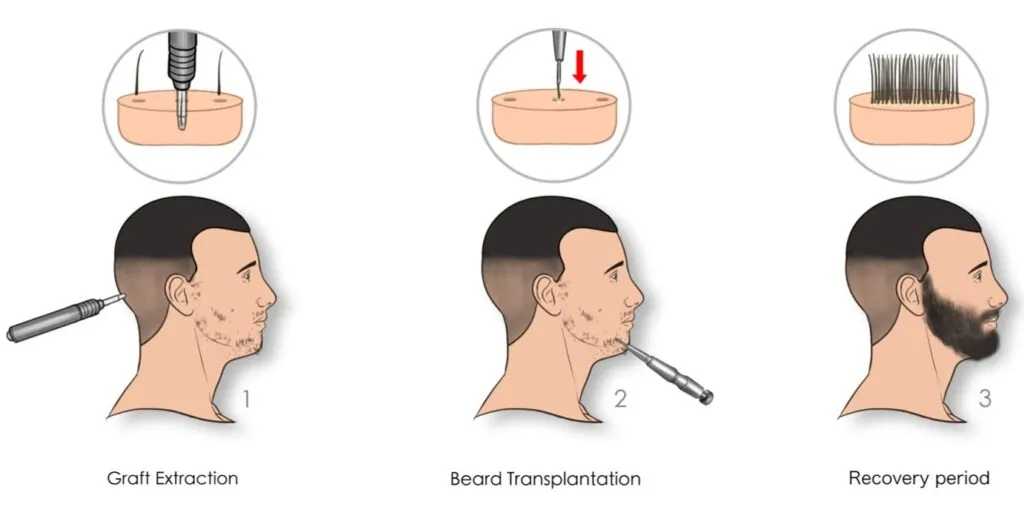
A mustache transplant in Turkey involves transferring healthy hair follicles from the donor area (commonly the back of the scalp or under the jawline) to the mustache region.

  • Technique: Most commonly performed with FUE (Follicular Unit Extraction) or DHI (Direct Hair Implantation).
  • Anesthesia: Local anesthesia ensures a pain-free experience.
  • Natural Angles: Follicles are carefully inserted according to the natural growth direction.
  • Outcome: Results in a thick, symmetrical, and natural-looking mustache line.

Because FUE and DHI are minimally invasive techniques, there are no stitches or large incisions, and the risk of visible scarring is minimal.

How Is the Procedure Performed?

The procedure requires both surgical precision and an artistic approach to achieve a mustache that complements the patient’s facial proportions.

Consultation and Planning

  • A detailed medical history and facial assessment are carried out.
  • The mustache line is designed based on patient preference and facial harmony.
  • The number of grafts required is calculated.

Donor Hair Extraction

  • Healthy follicles are harvested one by one from the donor site.
  • Donor areas are usually the scalp or beard under the chin, which provide hair similar in texture to mustache hair.

Graft Preservation

  • Extracted follicles are stored in a special nutrient-rich solution until implantation.

Implantation

  • Micro-channels are opened in the mustache region.
  • Follicles are implanted individually at specific angles to mimic natural mustache growth.

Duration

  • The procedure lasts about 3–5 hours, depending on graft numbers.
  • Patients are discharged the same day.

Advantages of Mustache Transplant

  • Natural and Permanent Results: Transplanted follicles grow for life.
  • Fast Recovery: Patients can return to normal life within days.
  • No Visible Scarring: Modern techniques prevent noticeable scars.
  • Facial Balance: Creates a fuller, more masculine look.
  • Scar Camouflage: Effective in covering burns, injuries, or previous surgical scars.
sakal biyik ekim

Who Is a Suitable Candidate?

  • Mustache transplant is suitable for men who:
  • Are 18 years or older and in good overall health
  • Have sparse or absent mustache hair due to genetics or trauma
  • Want to correct asymmetry or patchiness in the mustache region
  • Have adequate donor follicles available for transplantation

Recovery Timeline After Mustache Transplant

  • First Week: Redness, swelling, and small scabs are normal; these fade within 7–10 days.
  • Weeks 2–3: “Shock shedding” occurs, where transplanted hairs fall out temporarily before regrowth.
  • Months 3–4: New mustache hairs begin to grow.
  • Months 6–8: Permanent, natural results are visible.

During this period, patients must follow aftercare instructions: avoid touching or scratching the area, use prescribed lotions and shampoos, and protect the skin from sun and trauma.

Mustache Transplant Aftercare Table

Period Condition Recommended Care
First Week Redness, scabbing Avoid touching, sleep on your back, use medical lotion
Weeks 2–3 Shock shedding Do not panic, wait for natural regrowth
Months 3–6 New hair growth Attend follow-ups, follow doctor’s advice
Months 6–8 Permanent results Resume normal grooming and hygiene

Cost of Mustache Transplant in Turkey

  • The cost of mustache transplant depends on:
  • Number of grafts required
  • Technique (FUE vs. DHI)
  • Surgeon’s experience
  • Clinic facilities and services (accommodation, transfers, aftercare)

Due to regulations, exact prices cannot be published online. Patients should contact the clinic directly for personalized treatment plans and quotations.

Frequently Asked Questions (FAQ)

Is mustache transplant permanent?

Yes. Transplanted follicles are permanent and grow naturally for life.

When will I see results?

Initial results begin at 3 months, with final density achieved in 6–8 months.

Does the procedure leave scars?

No. FUE and DHI techniques leave no visible scars.

When can I shave after a mustache transplant?

Usually after 1 month, under medical guidance.

Can mustache and beard transplant be combined?

Yes. Many patients undergo combined beard and mustache transplant for a fuller look.

A mustache transplant in Turkey is a reliable, safe, and permanent solution for men seeking to enhance or restore facial hair. By using advanced FUE and DHI methods, surgeons create a natural, masculine mustache line tailored to each individual’s face. With fast recovery, life-long results, and internationally recognized expertise, Turkey is one of the top destinations worldwide for mustache hair transplant procedures.

Hair Treatments

Hair Treatments

Hair treatments address one of the most common concerns for both men and women: hair loss and hair thinning. Beyond aesthetics, hair loss significantly affects self-esteem and psychological well-being. Causes include genetics, hormonal fluctuations, stress, nutritional deficiencies, dermatological diseases, and environmental factors.

Thanks to modern biotechnology and medical innovations, today it is possible to slow down hair loss, improve the quality of existing hair, and even stimulate new growth. Turkey has become a leading destination for patients worldwide, offering advanced hair loss treatments performed by experienced specialists.

PRP Hair Treatment

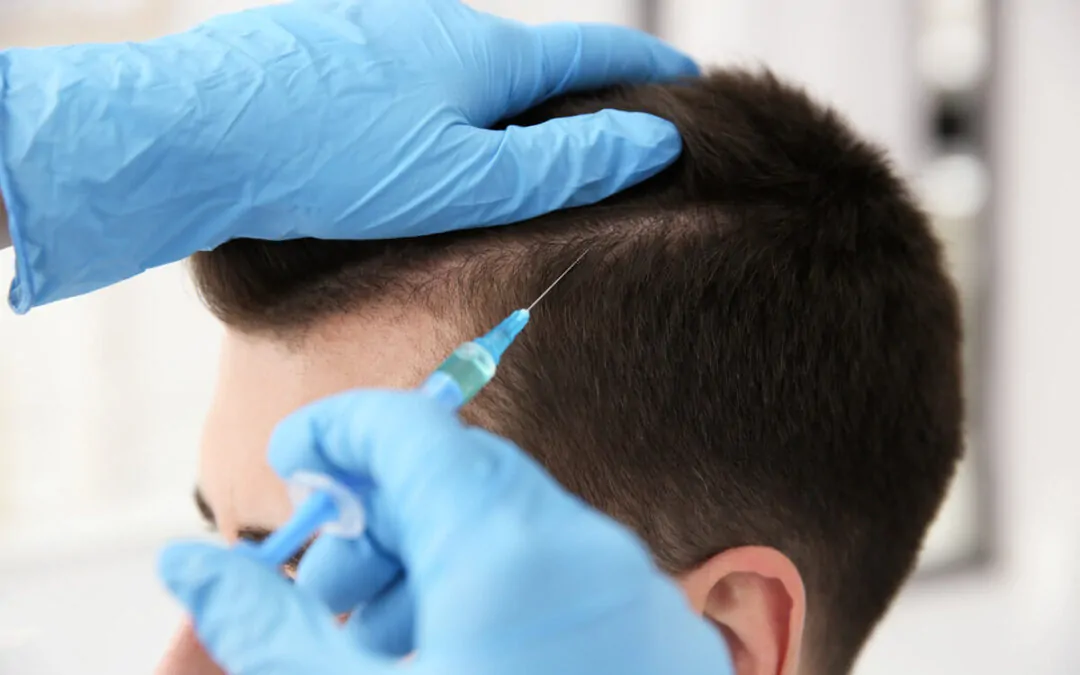
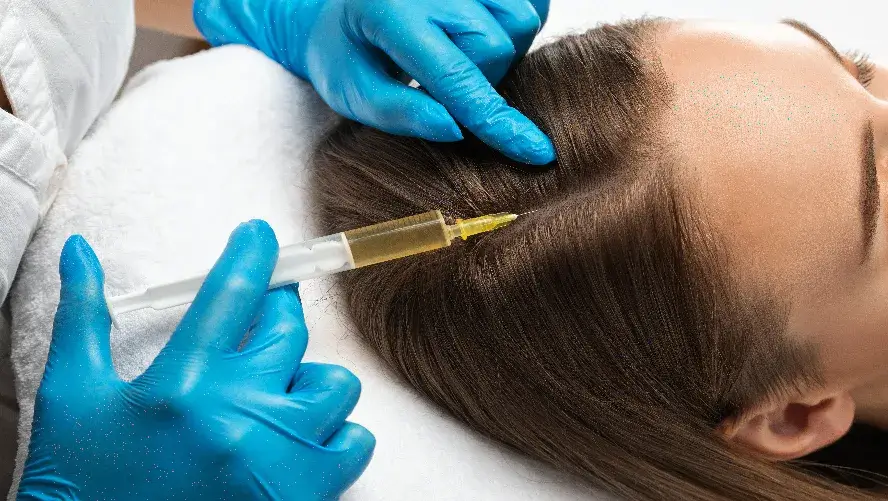
PRP (Platelet-Rich Plasma) therapy involves injecting plasma derived from the patient’s own blood, enriched with platelets, into the scalp.

  • Application: Blood is centrifuged, and platelet-rich plasma is injected into the scalp.
  • Effects: Stimulates hair follicles, reduces shedding, and promotes new growth.
  • Sessions: Typically 3–6 sessions, applied every 4–6 weeks.

Stem Cell Hair Therapy

This treatment uses stem cells derived from the patient’s own fat tissue or blood to regenerate the scalp.

  • Advantages: Provides cellular regeneration and long-lasting results.
  • Effectiveness: Particularly beneficial in advanced hair loss cases.
sac tedavisi prp

Exosome Hair Therapy

A breakthrough in regenerative medicine, exosome therapy targets cellular communication to reactivate dormant hair follicles.

  • Method: Concentrated exosomes are injected into the scalp.
  • Effects: Stimulates cellular renewal, improves follicle vitality, and produces stronger, thicker hair strands.
  • Advantage: Considered an advanced form of stem cell therapy.

Hair Mesotherapy

Mesotherapy delivers a customized cocktail of vitamins, minerals, and amino acids directly into the scalp.

  • Nourishes hair follicles
  • Thickens hair strands
  • Improves shine and vitality

Laser Hair Therapy (LLLT)

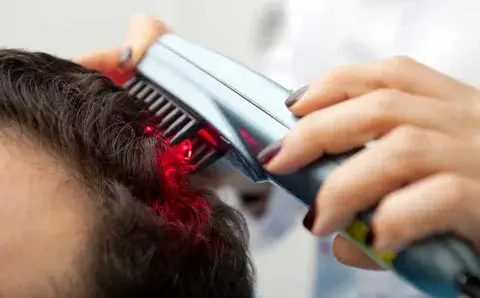
Low-Level Laser Therapy (LLLT) uses red light wavelengths to activate follicle metabolism.

  • Improves blood circulation in the scalp
  • Strengthens weakened hair follicles
  • Non-invasive, painless, and safe procedure
sac lazer tedavisi

Hair Loss Treatment Options: Comparison of Methods

Method Application Onset of Effect Duration* Key Advantages Limitations Recommended Combination
PRP Autologous plasma injections 6–12 weeks 6–12 months (longer with maintenance) Safe, natural; reduces shedding, improves thickness Requires multiple sessions; limited in severe loss Mesotherapy, LLLT, topical minoxidil
Stem Cell Therapy Autologous stem cell injections 8–16 weeks 12–24 months Cellular regeneration; effective in resistant cases More costly; requires specialized facilities LLLT, PRP, nutritional support
Exosome Therapy Exosome microinjections 4–12 weeks 12–24 months Cell signaling; follicle revitalization Still under standardization; variable protocols PRP, LLLT, mesotherapy
Mesotherapy Vitamin–mineral–amino acid cocktails 4–8 weeks 6–9 months (extended with maintenance) Improves shaft quality, shine, sebum balance Requires frequent sessions; limited as monotherapy PRP, LLLT, topical treatments
LLLT 650–680 nm red light photobiomodulation 8–12 weeks Continuous with ongoing use Painless, non-invasive; boosts circulation & metabolism Requires patient compliance; limited alone PRP, Mesotherapy, medical lotions

*Duration varies based on hair loss type, patient profile, and maintenance protocol.

Hair Loss Treatments for Men and Women

  • Men: The most common cause is androgenetic alopecia, strongly linked to genetics and hormonal sensitivity to DHT.
  • Women: Hair thinning is often related to hormonal imbalances, iron deficiency, or post-pregnancy shedding.

Best outcomes are typically achieved with combined therapies (e.g., PRP + mesotherapy, exosome + laser).

Aftercare & Recovery

  • Mild redness, swelling, or crusting may appear but subside quickly.
  • No washing for the first 24–48 hours.
  • Avoid direct sun exposure and extreme hot/cold environments.
  • Smoking and alcohol may delay recovery.

FAQ – Hair Treatments

Does PRP hair treatment hurt?

No. It is performed with anesthetic creams and is generally well tolerated.

Is exosome therapy permanent?

Not permanent but offers long-lasting effects, comparable to stem cell therapy.

Can PRP be used for postpartum hair loss in women?

Yes. It is effective in treating hormonal and post-pregnancy shedding.

Is laser hair therapy enough on its own?

Usually no. It is more effective when combined with PRP or mesotherapy.

Is stem cell hair therapy suitable for everyone?

Yes, for most patients with stable health. It is not recommended for pregnant or breastfeeding women.

Hair treatments in Turkey combine cutting-edge regenerative medicine with established medical practices. From PRP and stem cells to exosomes, mesotherapy, and laser therapy, each method plays a role in combating hair loss and improving hair health. With proper diagnosis, combined approaches provide the most effective and natural-looking outcomes for both men and women.

Hair Transplant for Women

Hair Transplant for Women

Hair transplant for women in Turkey is a highly effective microsurgical treatment designed to restore hair density, lower the hairline, and correct female pattern thinning. While hair loss is often associated with men, research shows that up to 40% of women experience significant hair thinning by the age of 50. Causes range from genetic predisposition, hormonal imbalances, pregnancy, and menopause to stress, nutritional deficiencies, or dermatological conditions.

For women, hair is closely tied to femininity and self-esteem. A women hair transplant not only restores lost density but also improves overall confidence, making it one of the most sought-after cosmetic procedures in Turkey today.

Indications for Women’s Hair Transplant

Women typically choose this procedure for:

  • Hairline lowering / forehead reduction to balance facial proportions
  • Central thinning (Ludwig or Olsen patterns)
  • Temple recession and loss of volume in the frontal hairline
  • Traction alopecia from tight hairstyles
  • Scar camouflage after previous surgery or injury
  • Eyebrow or sideburn reconstruction (select cases)

Techniques: FUE and DHI in Women

The two primary approaches in hair transplant for women are:

  • FUE (Follicular Unit Extraction): Individual follicles are extracted from the donor area (usually the back of the scalp) and placed into micro-channels in the recipient area. This technique offers minimal scarring, fast recovery, and high graft survival.
  • DHI (Direct Hair Implantation): Grafts are implanted directly using implanter pens, allowing precise angle control and high-density packing. This is often preferred in women because it can be performed without shaving the head, leaving only a small donor window hidden within the hair.
kadin sac ekimi

Step-by-Step: Women Hair Transplant Procedure

  1. Consultation & Diagnostic Tests – Includes blood and hormone panels, scalp analysis, and individualized planning.
  2. Hairline Design – A natural, feminine hairline is drawn, considering facial ratios.
  3. Anesthesia – Local anesthesia ensures a painless procedure.
  4. Graft Extraction – Follicles are harvested from the occipital/parietal donor zones.
  5. Graft Preservation – Follicles are stored in nutrient solution until implantation.
  6. Implantation – Grafts are placed at natural angles and directions using FUE or DHI.
  7. Duration – On average, the surgery lasts 6–7 hours, depending on the number of grafts.

Recovery Timeline

  • Day 2: First wash with medical shampoo and lotion.
  • Days 3–7: Temporary redness, itching, and scabbing.
  • Day 10: Scabs fall off; patients can fully return to social life.
  • Months 1–3: Temporary “shock shedding” phase, considered normal.
  • Months 4–6: Early regrowth becomes visible.
  • Months 9–12: Final results with stable density and natural appearance.

Advantages of Hair Transplant for Women

  • Unshaven option: Performed without shaving, maintaining privacy.
  • Natural results: Hair direction and angulation ensure seamless blending.
  • Facial balance: Hairline lowering enhances overall symmetry.
  • Psychological impact: Restores self-esteem and improves quality of life.
  • Trusted destination: Turkey offers internationally recognized surgeons, advanced clinics, and affordable treatment options.

Women vs. Men: Comparison Table

Feature Hair Transplant for Women Hair Transplant for Men
Primary Goals Hairline lowering, temple filling, diffuse thinning coverage Baldness coverage, crown restoration
Shaving Requirement Unshaven or small hidden donor window Usually full or partial shaving
Preferred Technique DHI or FUE (often unshaven DHI) FUE or DHI
Recovery ~10 days to social life 10–14 days
Aesthetic Focus Natural feminine hairline & forehead balance Density, masculine framing

Hair Transplant Women Before and After

“Hair transplant women before and after” images are essential to demonstrate realistic outcomes. Clinical documentation typically shows:

  • Restoration of a lower, natural hairline
  • Increased density in previously thinning areas
  • Improved temple definition and facial framing
  • Thickening of central scalp regions

Standardized photographs from consultation to 12 months post-op provide objective evidence of the transformation.

Hair Transplant Women Cost in Turkey

When researching “hair transplant women cost in Turkey”, patients should note that pricing depends on:

  • Number of grafts required
  • Technique chosen (FUE vs. DHI, unshaven vs. partial shave)
  • Doctor’s expertise and clinical infrastructure
  • Inclusion of services such as accommodation, transfers, and aftercare

Exact figures cannot be published online due to national regulations. For a personalized quotation, patients are encouraged to contact the clinic directly.

kadinlarda sac ekimi scaled

FAQ – Hair Transplant for Women

Is there an age limit for women’s hair transplant?

Yes, candidates must be over 18.

Can the procedure be done during pregnancy or breastfeeding?

No, the safest time is after breastfeeding has ended.

Will there be visible scars?

No. FUE and DHI leave only microscopic extraction points, which are not noticeable.

Is unshaven hair transplant possible for women?

Yes, it is commonly performed without shaving.

How long until results are final?

Initial growth begins at 4–6 months; full results at 9–12 months.

Hair transplant for women in Turkey combines advanced techniques like FUE and DHI with unshaven options tailored for female patients. The procedure offers discreet, natural, and permanent results, restoring both hair density and confidence. With highly experienced surgeons and internationally accredited clinics, Turkey continues to be a leading destination for women seeking hair restoration.

Hairline Transplant

Hairline Transplant

The hairline is one of the most defining elements of facial aesthetics. A receding hairline over time can lead to significant cosmetic concerns in both men and women. Factors such as genetics, hormonal changes, and environmental influences can contribute to this condition. Thanks to modern medicine and aesthetic treatments, hairline restoration is now possible with effective and natural-looking results.

Why Does the Hairline Recede?

A receding hairline may occur due to genetic predisposition, hormonal changes (particularly the DHT hormone), aging, chronic stress, poor nutrition, or certain dermatological conditions. The most common cause in men is androgenetic alopecia, while women may experience hairline thinning due to hormonal imbalances and thyroid disorders.

Receding Hairline in Men and Treatment Options

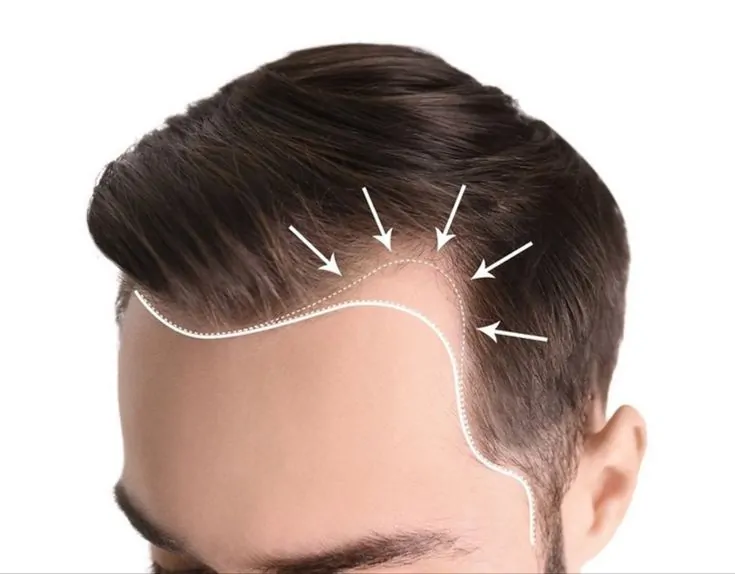
In men, the hairline typically starts receding from the temples, creating an “M-shaped” pattern. In advanced cases, hair loss can also affect the crown (vertex). Treatment options include:

  • Pharmacological Treatments: Topical or oral medications such as Minoxidil and Finasteride.

  • Regenerative Therapies: PRP (Platelet-Rich Plasma), exosome therapy, and stem cell treatments.

  • Surgical Methods: Hair transplantation using DHI or FUE techniques.

Hairline Problems in Women and Solutions

In women, hairline recession usually presents as thinning across the forehead. It can be managed with:

  • Hormonal regulation and endocrinological evaluation

  • Local treatments such as mesotherapy and PRP

  • Surgical interventions such as hairline lowering surgery or hair transplant

How is the Hairline Corrected?

Hairline correction is tailored to the individual’s anatomy. Factors such as forehead height, face shape, and age are taken into consideration. With DHI (Direct Hair Implantation), natural density, correct angle, and direction can be achieved, ensuring an aesthetic and harmonious look.

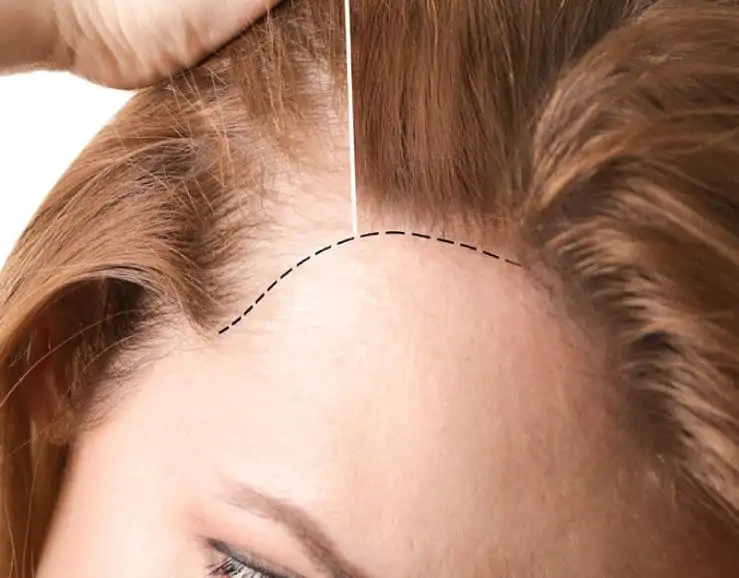
What is the Ideal Hairline?

From an aesthetic perspective, the ideal hairline:

  • Is located approximately 6.5–7.5 cm above the forehead

  • Appears slightly curved in the midline

  • Matches the proportions of the face, age, and gender

Hairline Design: Achieving a Natural Look

A natural hairline begins with the placement of fine, single hair follicles in the frontal zone. Slight zigzag patterns and asymmetry prevent an artificial appearance. The DHI technique allows precise implantation, ensuring millimetric accuracy.

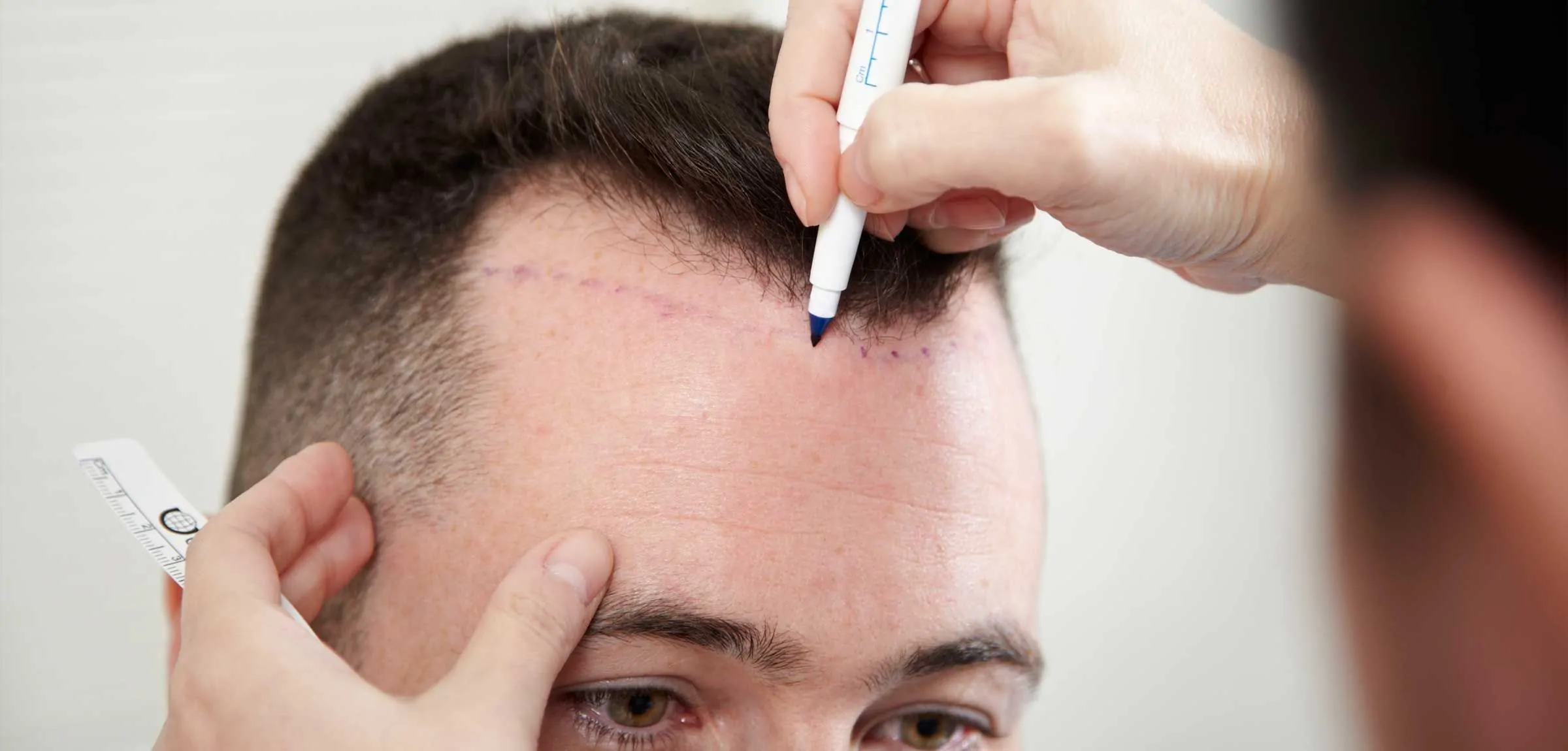
Determining the Frontal Hairline

When planning the frontal hairline, the following anatomical references are considered:

  • Distance between the glabella (center of the forehead) and the hairline

  • Angle of the lateral temporal line

  • Vertical and horizontal proportions of the face

sac cizgisi 1

Temporal Hairline and Its Aesthetic Role

The temporal hairline frames the face and plays a critical role in youthful appearance. Particularly in open hairstyles, symmetry and fullness in this area create a healthy, rejuvenated look. The DHI method is frequently chosen to restore the temporal hairline naturally.

Signs and Prevention of Hairline Recession

Clinical Symptoms:

  • Thinning in the forehead area

  • Recession at the temples

  • Widening of the hair part line

Preventive Measures:

  • Nutritional supplements (biotin, zinc, iron)

  • Avoiding damaging hair practices

  • Regular dermatological monitoring and early intervention

Methods for Hairline Restoration

  • DHI Hair Transplant: Direct implantation with implanter pen, ensuring precise angle and density.

  • FUE Hair Transplant: Extraction with micromotor and implantation after channel opening.

  • Supportive Treatments: PRP, exosome therapy, mesotherapy.

Natural Home Remedies for Supporting the Hairline

  • Scalp massage with natural oils (rosemary, peppermint, argan oil)

  • Topical onion juice application

  • Stress management and healthy sleep hygiene

  • B vitamins and antioxidant support

⚠️ These remedies may support scalp health but cannot replace medical treatments in advanced cases.

Temple Hairline Recession

Temple hairline recession is often associated with aging but can be accelerated by genetics. Using the DHI technique, the temple region can be restored for a balanced and aesthetic facial frame.

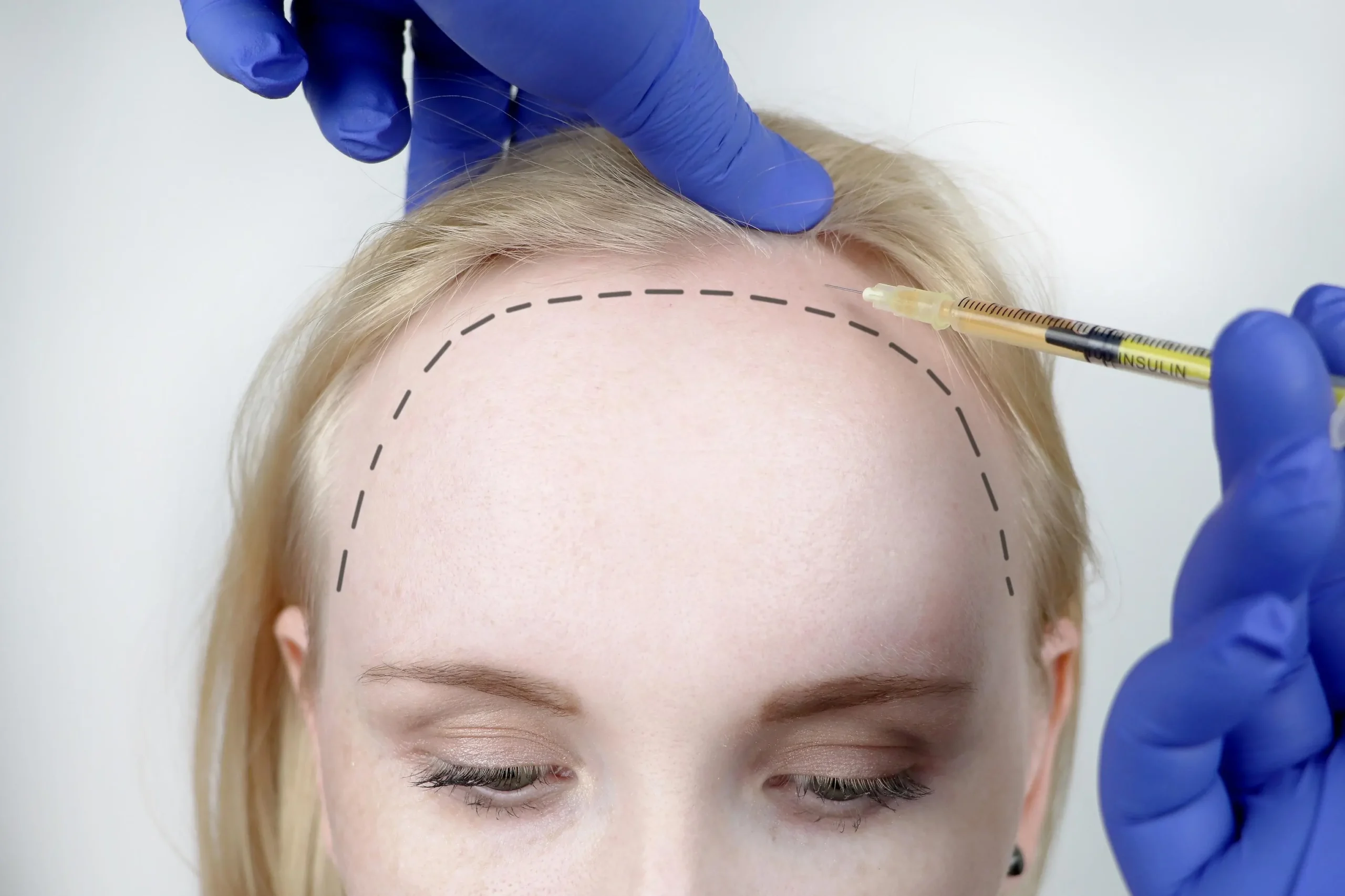
Forehead Hairline and Hairline Lowering Surgery

A high forehead, particularly in women, may cause cosmetic concerns. Hairline lowering surgery or hair transplantation in Turkey can effectively reduce forehead size, achieving a more proportional and balanced facial appearance.

Hairline Shaping with DHI Technique

The DHI method is one of the most advanced techniques for shaping the hairline. It allows precise control of angle and direction, ensuring natural and permanent results, with a faster and more comfortable healing process compared to other methods.

Can the Hairline Be Reconstructed with Hair Transplantation?

Yes. Modern methods such as DHI and FUE allow reconstruction of the hairline in accordance with anatomical and aesthetic norms. With personalized planning, results are both natural and long-lasting.

Hairline Transplant Cost in Turkey

The cost of hairline transplant varies depending on the method used, the number of grafts, the surgeon’s experience, the clinic’s location, and additional services provided.

Method Best For Advantages Recovery Pricing Model*
DHI Hair Transplant Frontal hairline & temples Precise angles, natural density Quick social return (~1 week) Package-based
FUE Hair Transplant General hair loss areas Wide coverage, proven technique Moderate (~7–10 days crusting) Graft-dependent
PRP Therapy Weakened hairline Strengthens follicles Minimal, same day Session-based
Mesotherapy Early thinning Scalp nutrition Minimal Session-based
Hairline Lowering Surgery High forehead Immediate reposition Surgical recovery Surgical fee

* Pricing data varies by case, graft need, surgeon, and clinic services.

Frequently Asked Questions (FAQ)

1. Is hairline recession permanent?

If caused by genetic or hormonal factors, it is usually progressive and permanent. However, medical and surgical treatments can slow or stop progression.

2. How many grafts are needed for a hairline transplant?

Typically, 500–1,200 grafts are sufficient for the frontal hairline. Additional grafts may be required if temples are included.

3. Is hairline transplant painful?

The procedure is performed under local anesthesia, so patients do not feel pain. Mild sensitivity may occur after the operation.

4. Can a natural-looking hairline be achieved?

Yes. With the correct technique and an experienced surgeon, the hairline design can look completely natural.

5. Do home remedies restore the hairline?

While oils and massages may improve scalp health, they cannot regrow lost hair. Medical treatments are necessary for effective results.