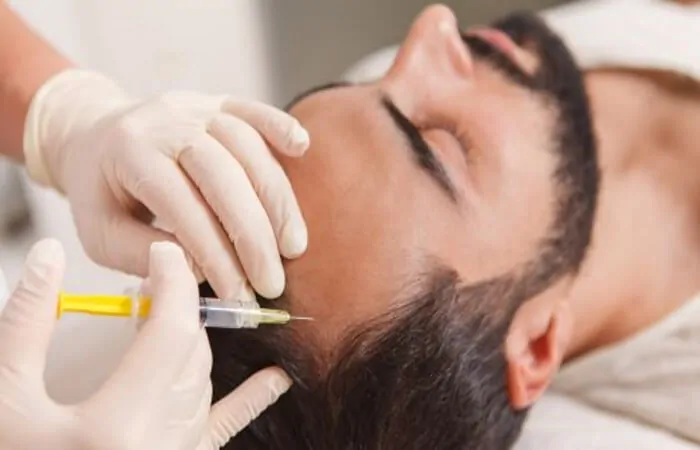
PRP Hair Treatment in Turkey

PRP Hair Treatment in Turkey

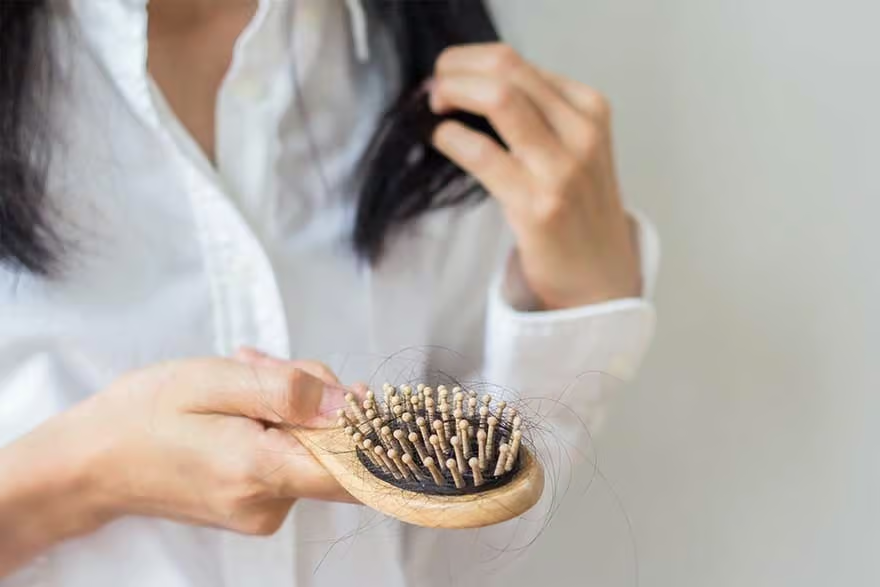
Hair loss affects millions of men and women worldwide, making it one of the most common aesthetic and psychological concerns of modern times. While genetic predisposition is the leading cause, hormonal imbalances, nutritional deficiencies, environmental factors, and stress all contribute to the gradual weakening of hair follicles. Over time, this can lead to thinning, bald patches, or complete hair loss.

In recent years, Turkey has become a global hub for hair restoration treatments, offering advanced techniques with highly skilled doctors, state-of-the-art clinics, and affordable prices. Among the most popular procedures is PRP Hair Treatment (Platelet-Rich Plasma Therapy), a non-surgical, minimally invasive solution that stimulates natural hair growth, strengthens weak follicles, and improves scalp health. Particularly in Istanbul, PRP has gained worldwide recognition as an effective treatment for both men and women struggling with hair thinning and loss.

What Is PRP Hair Treatment?

PRP stands for Platelet-Rich Plasma, a component of blood that contains a high concentration of platelets responsible for tissue repair, regeneration, and healing. By isolating and re-injecting these platelets into the scalp, doctors can naturally stimulate hair follicles, encouraging new growth while strengthening existing strands.

Key benefits of PRP therapy include:

  • Enhanced blood supply to hair follicles.
  • Activation of dormant follicles.
  • Strengthening of weak and miniaturized hairs.
  • Reduction of hair shedding.
  • Improvement of overall scalp health.

Unlike hair transplant surgery, PRP does not involve follicle extraction or implantation. Instead, it works as a supportive therapy that can be applied on its own or in combination with hair transplantation to enhance results.
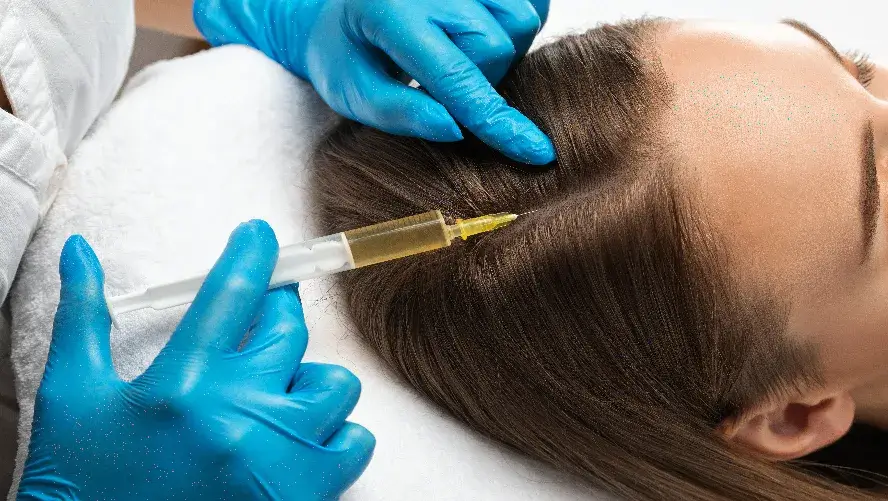
sac tedavisi prp

The PRP Hair Treatment Procedure in Istanbul

PRP hair treatment in Turkey is performed in modern, Ministry of Health-approved clinics under strict medical standards. The procedure usually takes less than an hour and follows these steps:

  1. Blood Collection – A small amount of blood (10–20 ml) is drawn from the patient.
  2. Centrifugation Process – The blood sample is placed in a centrifuge machine, which spins at high speed to separate the platelet-rich plasma from other blood components.
  3. Preparation of PRP – The concentrated PRP is collected and prepared for injection.
  4. Scalp Preparation – The treatment area is cleansed, and a topical anesthetic cream may be applied to ensure comfort.
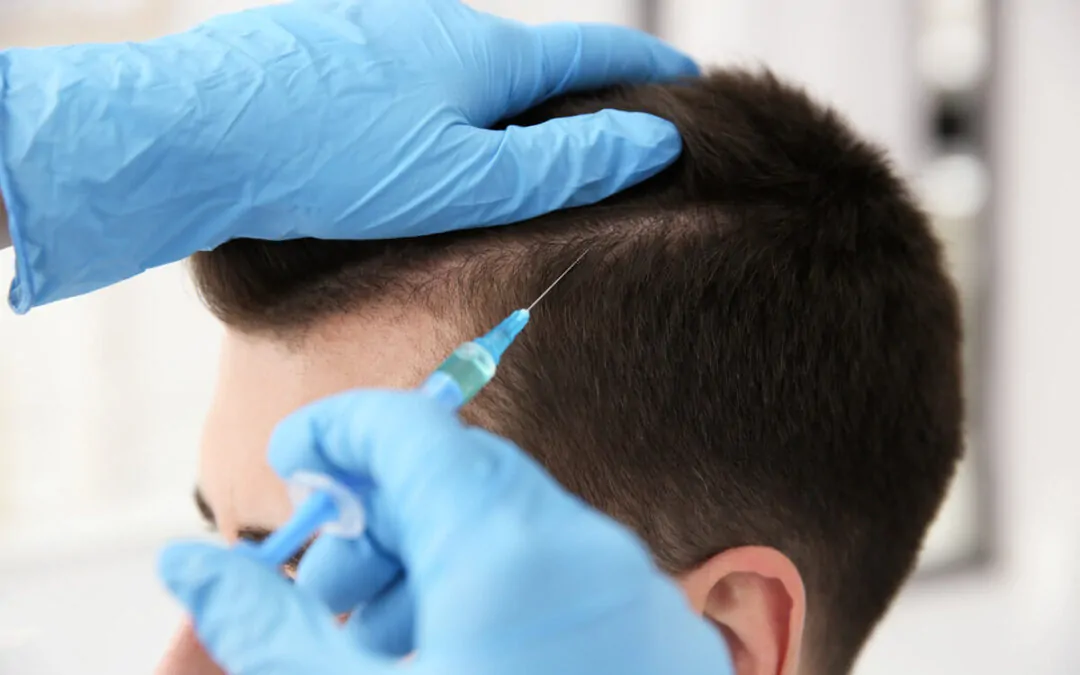
  5. Injection Process – Using fine needles, PRP is carefully injected into areas of thinning or baldness.
  6. Post-Treatment Care – Patients can resume normal activities immediately, though mild redness or sensitivity may last for a few hours.

The entire session typically lasts 20–40 minutes, making PRP a convenient lunchtime procedure.

Advantages of PRP Hair Treatment in Turkey

Turkey, and especially Istanbul, offers unique advantages for international patients seeking PRP hair restoration:

  • Expert Doctors: Experienced specialists with international training.
  • Modern Technology: Clinics equipped with advanced centrifuge systems and PRP kits.
  • Affordable Costs: Due to currency advantages, prices are much lower compared to Europe or the US.
  • Comprehensive Packages: VIP transfer, hotel accommodation, and multilingual patient support.
  • Tourism Opportunities: Patients can combine treatment with exploring Istanbul’s cultural and historical attractions.

PRP Hair Treatment Benefits Explained

The benefits of PRP are both cosmetic and medical. Below is a detailed explanation:

  • Reduces Hair Loss – By nourishing follicles, PRP significantly slows down shedding.
  • Thickens Existing Hair – Weak and thinning hair strands become stronger and denser.
  • Stimulates New Growth – Dormant follicles are reactivated, leading to visible regrowth.
  • Improves Scalp Health – Increased blood circulation helps treat dandruff, dryness, and inflammation.
  • Natural and Safe – As PRP comes from the patient’s own blood, there is no risk of allergic reaction.
  • Supports Hair Transplantation – When combined with FUE or DHI hair transplantation, PRP accelerates healing and improves graft survival.

PRP Hair Treatment Results Timeline

Results vary depending on the individual’s condition and lifestyle, but a typical timeline is:

  • Month 1–2: Reduction in shedding, healthier scalp.
  • Month 3–4: Initial signs of new hair growth.
  • Month 6: Noticeable thickening and improved density.
  • Month 8–12: Full visible results, with permanent strengthening of hair follicles.

Patients are usually recommended to undergo 4–6 sessions, spaced 2–4 weeks apart, for optimal results.

PRP Hair Treatment vs. Hair Transplant

Feature PRP Hair Treatment Hair Transplant (FUE/DHI)
Method Injection of platelet-rich plasma Transplanting follicles from donor area
Hair Loss Impact Stops shedding, strengthens existing hair Covers bald spots permanently
Surgery Non-surgical, minimally invasive Surgical procedure under local anesthesia
Results Timeline 3–12 months 6–12 months
Longevity Long-lasting with maintenance Permanent results

PRP Hair Treatment Cost in Turkey

The cost of PRP hair treatment in Turkey varies based on:

  • Doctor’s experience and specialization.
  • Quality of PRP kits and centrifuge devices.
  • Number of sessions required.
  • The clinic’s reputation and facilities.

 According to the Turkish Ministry of Health, it is prohibited to publish exact prices online. For a personalized quotation, patients should contact the clinic directly.

PRP Hair Treatment FAQ

Is PRP painful?

No. Local anesthetic creams make the procedure almost painless.

Who is a candidate?

Both men and women over 18 experiencing hair thinning, genetic hair loss, or weak follicles.

Can PRP be combined with other treatments?

Yes, PRP is often combined with hair transplantation, mesotherapy, or medication.

Are the results permanent?

PRP strengthens follicles and reduces shedding, but maintenance sessions may be required to sustain results.

How long does recovery take?

There is no downtime. Patients can resume daily life immediately after treatment.

PRP Hair Treatment in Turkey, especially in Istanbul, has become one of the most sought-after solutions for men and women struggling with hair loss. By harnessing the body’s natural healing power, PRP stimulates follicle regeneration, reduces shedding, and promotes new hair growth without surgery.

With its affordability, expert doctors, and world-class clinics, Turkey ranks among the top destinations worldwide for hair loss treatment. For patients seeking a safe, effective, and natural way to restore their hair, PRP therapy offers lasting results and renewed confidence.
Stem Cell Hair Transplant

Stem Cell Hair Transplant

Hair loss continues to be a major aesthetic and psychological concern worldwide, affecting both men and women. Traditional hair transplant techniques such as FUE and FUT have offered long-term solutions, but recent developments in regenerative medicine have introduced a revolutionary alternative: the Stem Cell Hair Transplant. This advanced procedure harnesses the regenerative capacity of stem cells to promote new follicle growth, improve hair density, and provide natural, long-lasting results.

In Turkey, particularly in Istanbul, stem cell hair transplant research and clinical applications are progressing rapidly. With internationally accredited clinics, experienced medical professionals, and advanced technologies, Istanbul has become a leading destination for patients seeking innovative solutions for hair restoration.

What is Stem Cell Hair Transplant?

Unlike conventional transplants that relocate existing follicles from the donor area, stem cell hair transplantation involves the extraction of a small tissue sample via punch biopsy. Stem cells are isolated from this tissue, replicated in laboratory conditions, and re-injected into the scalp. This approach promotes dual regeneration—stimulating hair regrowth in the balding area while preserving density in the donor region.

Key characteristics:

  • Minimally invasive extraction via punch biopsy.
  • Stem cells processed with centrifuge technology.
  • Direct re-injection into areas of hair loss.
  • Potential to stimulate new follicle development.

How is the Procedure Performed?

  1. Consultation & Evaluation: Patient’s scalp, donor area, and overall health are assessed.
  2. Punch Biopsy: A cylindrical skin sample is taken from the scalp using a specialized circular blade.
  3. Stem Cell Isolation: The sample is processed in a centrifuge to separate stem cells from tissue.
  4. Preparation: Stem cells are concentrated into a cell suspension.
  5. Injection: The suspension is injected into balding regions under local anesthesia.
  6. Post-Procedure Care: Patients receive medical supervision and aftercare to support regeneration.
kok hucreli sac ekimi 1

Candidate Eligibility for Stem Cell Hair Transplant

A successful stem cell hair restoration requires:

  • Adequate donor tissue containing viable stem cells.
  • Stable hair loss pattern (not rapidly progressing).
  • Good overall health with no severe chronic illnesses.
  • Realistic expectations about results and timeline.
  • Commitment to aftercare, including following medical guidance.

Benefits and Effectiveness

Stem cell transplantation offers advantages beyond traditional methods:

  • Natural regeneration: Stimulates growth of new follicles.
  • Minimally invasive: Less scarring compared to strip methods.
  • Increased density: Improves thickness and volume.
  • Dual benefit: Preserves donor area while restoring bald regions.
  • Promising research: A 2017 Italian clinical study showed a 29% increase in hair density within 23 weeks.

Stem Cell vs. PRP vs. Traditional Hair Transplant

TechniqueMethodAdvantagesLimitations
Stem Cell Hair TransplantBiopsy + stem cell isolation + reinjectionPotential new follicle growth, dual benefit, minimally invasiveStill investigational, limited availability, higher cost
PRP TherapyPlatelet-rich plasma injections from patient’s bloodSafe, autologous, improves follicle healthLess effective in advanced hair loss, requires multiple sessions
FUE/FUT TransplantFollicle relocation from donor to recipient areaWidely available, predictable resultsLimited donor supply, risk of scarring, longer recovery

Safety and Risks

Stem cell treatments are generally considered safe when performed in sterile, accredited clinics by qualified specialists. Since most procedures use autologous stem cells (from the patient’s own body), risk of rejection is minimal.

Potential side effects may include:

  • Temporary swelling, redness, or discomfort at injection sites.
  • Rare risk of infection or allergic reaction.
  • Scarring at biopsy site (very minimal).

 Important Note: As of 2023, stem cell hair transplantation is not FDA-approved and remains an investigational therapy. Patients must carefully select reputable clinics that adhere to strict medical protocols.

Recovery Process

  • Day 1–3: Mild swelling and redness, managed with prescribed creams.
  • Week 1–2: Temporary shedding or crusting may occur.
  • Month 1–3: Early hair regrowth begins.
  • Month 6: Significant increase in density and volume.
  • Month 12: Full regenerative results become visible.

Cost of Stem Cell Hair Transplant in Turkey

Prices vary depending on:

  • Clinic reputation and accreditation,
  • Surgeon’s expertise,
  • Technology and stem cell processing methods,
  • Number of sessions required,
  • Extent of hair loss.

In accordance with Turkish Ministry of Health regulations, clinics cannot publish exact prices online. At Quartz Clinique Istanbul, international patients are offered all-inclusive medical tourism packages including:

  • VIP airport transfers,
  • 4–5 star hotel accommodation,
  • Post-op medical care,
  • Interpreter support,
  • Optional Istanbul city tours.

For detailed consultation and package information: +90 212 241 46 24

Frequently Asked Questions (FAQ)

Is Stem Cell Hair Transplant Effective?

Yes. Early research and clinical trials show promising outcomes in stimulating new follicle growth and increasing density.

Is it FDA Approved?

No. As of 2023, stem cell hair transplant remains investigational and not FDA-approved.

What is the Success Rate?

Studies have reported density increases of up to 29% within 23 weeks. Individual outcomes vary depending on patient health and hair condition.

Is it Safe?

When performed with autologous stem cells under strict protocols, it is generally safe with minimal risk of rejection.

What are the Side Effects?

Possible temporary swelling, redness, or itching at injection sites.

Who is Eligible?

Patients with stable hair loss, good donor tissue, and overall good health are ideal candidates.

Stem cell hair transplantation represents a transformative leap in the science of hair restoration. While still in its experimental phase, it has already demonstrated impressive results in increasing density, stimulating natural growth, and offering new hope to patients with advanced hair loss.

For international patients seeking innovative treatments, Istanbul, Turkey stands out as a medical hub with world-class facilities, highly experienced specialists, and cost-effective treatment packages. By choosing accredited clinics and expert medical professionals, patients can take a proactive step toward achieving natural and permanent hair restoration through regenerative medicine.

Hair Loss Treatment

Hair Loss Treatment

Hair loss is one of the most common aesthetic and psychological concerns for both men and women. On average, the scalp contains 100,000–150,000 hair follicles, and shedding 50–100 hairs per day is considered normal. When shedding exceeds this limit, it may lead to permanent hair loss caused by genetic predisposition, hormonal imbalance, stress, nutritional deficiencies, medications, or environmental factors.

Baldness not only affects physical appearance but also significantly impacts self-confidence and social life. For this reason, early diagnosis and choosing the right treatment method are crucial. Today, Turkey is one of the leading destinations for hair loss treatment, offering advanced technology, highly experienced surgeons, and cost-effective solutions compared to Europe or the US.

Types of Hair Loss

Hair loss patterns differ between men and women. Male baldness is often classified using the Hamilton–Norwood scale, while female hair thinning is evaluated with the Ludwig scale.

Scale Stage Description
Hamilton–Norwood (Men)Stage 1–2Minimal hairline recession, triangular thinning at temples
Stage 3Noticeable hair loss at temples and crown
Stage 4–7Frontal and crown baldness merging, advanced baldness
Ludwig (Women)Stage 1Mild thinning at the crown
Stage 2Visible reduction in hair density
Stage 3Severe baldness at the crown
ludwig scale of hair loss

Modern Hair Loss Treatment Methods in Turkey

  • Medication (Minoxidil, Finasteride): Effective in early stages to slow hair loss.
  • PRP (Platelet-Rich Plasma): Uses growth factors from the patient’s own blood.
  • Mesotherapy: Cocktail of vitamins and amino acids for stronger, healthier hair.
  • Exosome Therapy: Cutting-edge biotechnology that regenerates follicles.
  • Stem Cell Therapy: Laboratory-expanded cells injected to stimulate regrowth.
  • Injectable Hair Fillers: Hyaluronic acid and peptides for thickening strands.
  • Hair Transplantation (FUE, Sapphire FUE, DHI): Permanent and natural-looking results.

Comparison of Hair Loss Treatments

Treatment Main Effect Sessions Durability
MedicationSlows early-stage sheddingContinuousLimited
PRPStrengthens follicles3–4~1 year
MesotherapyImproves hair quality5–10~1 year
ExosomeCellular regeneration3–62+ years
Stem CellStimulates new growth1–2Permanent
Hair TransplantRestores bald areas1Lifetime
What Is My Norwood Hamilton scale

Hair Loss Treatment Cost in Turkey

The cost varies depending on the chosen method, number of sessions, doctor’s experience, and clinic facilities. For example:

PRP & Mesotherapy: Affordable and performed in multiple sessions.

Exosome & Stem Cell Therapy: Advanced regenerative options, higher cost but long-lasting results.

Hair Transplantation: Depends on number of grafts and chosen technique (FUE, Sapphire FUE, DHI).

Turkey remains a top destination for international patients because prices are far more competitive than in Europe or the US.

Frequently Asked Questions (FAQ)

Can hair loss be completely stopped?

In early stages, it can be controlled with medical treatments. In advanced cases, hair transplantation provides permanent results.

Do women also undergo hair transplantation?

Yes, women can successfully benefit from modern techniques.

When are results visible after a hair transplant?

New growth begins around the 3rd month and the final natural result appears after 12 months.

Hair Treatments

Hair Treatments

Hair treatments address one of the most common concerns for both men and women: hair loss and hair thinning. Beyond aesthetics, hair loss significantly affects self-esteem and psychological well-being. Causes include genetics, hormonal fluctuations, stress, nutritional deficiencies, dermatological diseases, and environmental factors.

Thanks to modern biotechnology and medical innovations, today it is possible to slow down hair loss, improve the quality of existing hair, and even stimulate new growth. Turkey has become a leading destination for patients worldwide, offering advanced hair loss treatments performed by experienced specialists.

PRP Hair Treatment

PRP (Platelet-Rich Plasma) therapy involves injecting plasma derived from the patient’s own blood, enriched with platelets, into the scalp.

  • Application: Blood is centrifuged, and platelet-rich plasma is injected into the scalp.
  • Effects: Stimulates hair follicles, reduces shedding, and promotes new growth.
  • Sessions: Typically 3–6 sessions, applied every 4–6 weeks.

Stem Cell Hair Therapy

This treatment uses stem cells derived from the patient’s own fat tissue or blood to regenerate the scalp.

  • Advantages: Provides cellular regeneration and long-lasting results.
  • Effectiveness: Particularly beneficial in advanced hair loss cases.
sac tedavisi prp

Exosome Hair Therapy

A breakthrough in regenerative medicine, exosome therapy targets cellular communication to reactivate dormant hair follicles.

  • Method: Concentrated exosomes are injected into the scalp.
  • Effects: Stimulates cellular renewal, improves follicle vitality, and produces stronger, thicker hair strands.
  • Advantage: Considered an advanced form of stem cell therapy.

Hair Mesotherapy

Mesotherapy delivers a customized cocktail of vitamins, minerals, and amino acids directly into the scalp.

  • Nourishes hair follicles
  • Thickens hair strands
  • Improves shine and vitality

Laser Hair Therapy (LLLT)

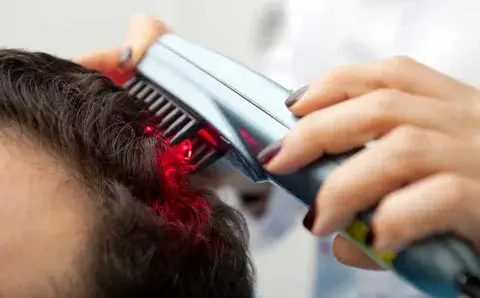
Low-Level Laser Therapy (LLLT) uses red light wavelengths to activate follicle metabolism.

  • Improves blood circulation in the scalp
  • Strengthens weakened hair follicles
  • Non-invasive, painless, and safe procedure
sac lazer tedavisi

Hair Loss Treatment Options: Comparison of Methods

Method Application Onset of Effect Duration* Key Advantages Limitations Recommended Combination
PRP Autologous plasma injections 6–12 weeks 6–12 months (longer with maintenance) Safe, natural; reduces shedding, improves thickness Requires multiple sessions; limited in severe loss Mesotherapy, LLLT, topical minoxidil
Stem Cell Therapy Autologous stem cell injections 8–16 weeks 12–24 months Cellular regeneration; effective in resistant cases More costly; requires specialized facilities LLLT, PRP, nutritional support
Exosome Therapy Exosome microinjections 4–12 weeks 12–24 months Cell signaling; follicle revitalization Still under standardization; variable protocols PRP, LLLT, mesotherapy
Mesotherapy Vitamin–mineral–amino acid cocktails 4–8 weeks 6–9 months (extended with maintenance) Improves shaft quality, shine, sebum balance Requires frequent sessions; limited as monotherapy PRP, LLLT, topical treatments
LLLT 650–680 nm red light photobiomodulation 8–12 weeks Continuous with ongoing use Painless, non-invasive; boosts circulation & metabolism Requires patient compliance; limited alone PRP, Mesotherapy, medical lotions

*Duration varies based on hair loss type, patient profile, and maintenance protocol.

Hair Loss Treatments for Men and Women

  • Men: The most common cause is androgenetic alopecia, strongly linked to genetics and hormonal sensitivity to DHT.
  • Women: Hair thinning is often related to hormonal imbalances, iron deficiency, or post-pregnancy shedding.

Best outcomes are typically achieved with combined therapies (e.g., PRP + mesotherapy, exosome + laser).

Aftercare & Recovery

  • Mild redness, swelling, or crusting may appear but subside quickly.
  • No washing for the first 24–48 hours.
  • Avoid direct sun exposure and extreme hot/cold environments.
  • Smoking and alcohol may delay recovery.

FAQ – Hair Treatments

Does PRP hair treatment hurt?

No. It is performed with anesthetic creams and is generally well tolerated.

Is exosome therapy permanent?

Not permanent but offers long-lasting effects, comparable to stem cell therapy.

Can PRP be used for postpartum hair loss in women?

Yes. It is effective in treating hormonal and post-pregnancy shedding.

Is laser hair therapy enough on its own?

Usually no. It is more effective when combined with PRP or mesotherapy.

Is stem cell hair therapy suitable for everyone?

Yes, for most patients with stable health. It is not recommended for pregnant or breastfeeding women.

Hair treatments in Turkey combine cutting-edge regenerative medicine with established medical practices. From PRP and stem cells to exosomes, mesotherapy, and laser therapy, each method plays a role in combating hair loss and improving hair health. With proper diagnosis, combined approaches provide the most effective and natural-looking outcomes for both men and women.

Hair Mesotherapy

Hair Mesotherapy

Hair Mesotherapy is a targeted, non-surgical treatment that nourishes the scalp and revitalizes hair follicles to combat hair loss. Hair plays a significant role in how we perceive ourselves and can greatly influence our confidence. Yet, various factors such as genetics, hormonal shifts, environmental stressors, nutritional gaps, and frequent use of styling tools often take a toll on hair health. One common result is hair loss, a concern that affects both men and women at various points in life.

Hair Mesotherapy offers a targeted, non-surgical approach that nourishes the scalp and revitalizes hair follicles. This treatment uses a carefully formulated blend of vitamins, minerals, amino acids, and growth stimulants injected directly into the scalp. At our upscale clinic in Istanbul, Turkey, experienced professionals oversee every step to ensure international patients receive safe, effective, and lasting results.

What is Hair Mesotherapy?

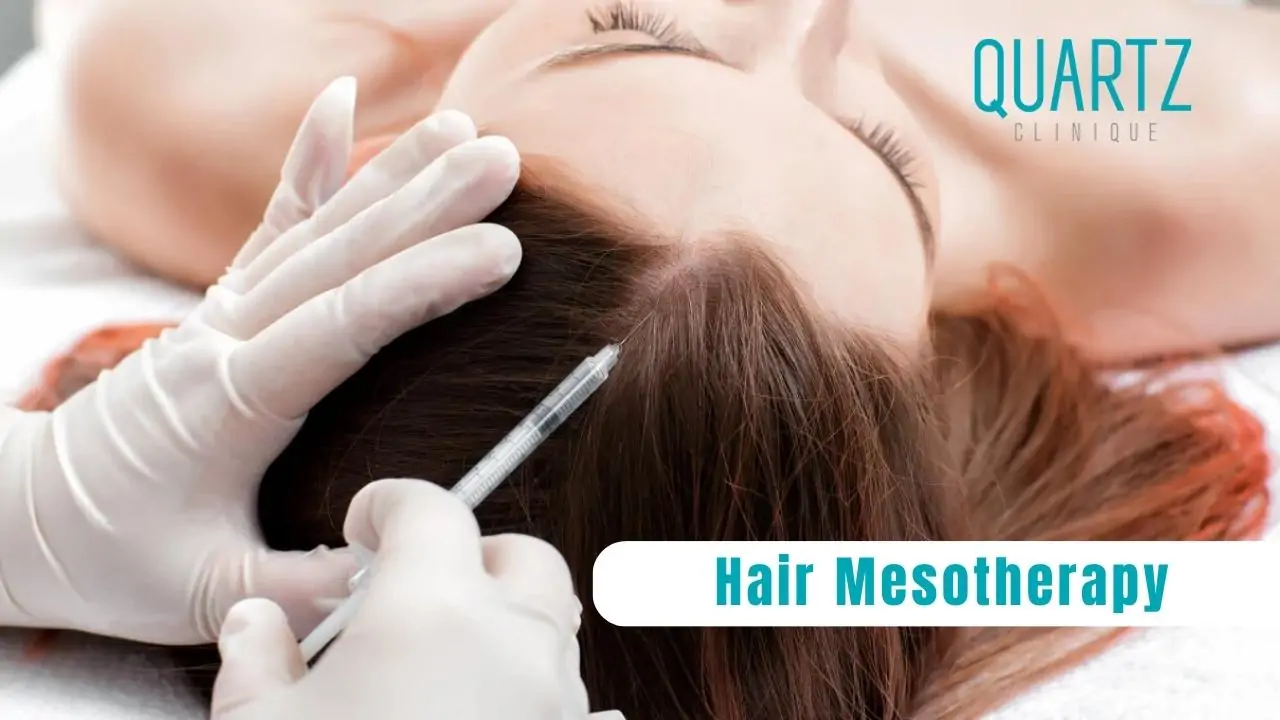
Hair Mesotherapy is a minimally invasive procedure that injects a personalized mix of vitamins and minerals directly into the scalp to stimulate hair growth and strengthen follicles.

Essentially, Hair Mesotherapy is a minimally invasive procedure where a personalized mix of vitamins and minerals is injected into the scalp. Key ingredients include Calcium, Zinc, Selenium, Iron, Copper, Potassium, Manganese, Iodine, and Minoxidil. By enhancing blood flow and nutrient delivery to hair follicles, this method supports the restoration of stronger, healthier, and denser hair.

Typically, this treatment is advised for people who:

  • Experience hair loss due to genetic or hormonal reasons,
  • Men showing signs of early baldness,
  • Women noticing hair thinning linked to styling habits or heat damage,
  • Have weak, brittle, or dull hair.

Hair Mesotherapy delivers nutrients directly where they are needed to improve hair follicle health.

The treatment is customizable depending on individual hair and scalp conditions.

How is Hair Mesotherapy Performed?

Hair Mesotherapy is performed by injecting nutrient-rich solutions into the scalp using fine needles in a session lasting 20 to 40 minutes.

The process follows a clear sequence under the guidance of a specialist:

  • Examination & Assessment: First, the extent of hair loss is assessed through a physical check-up and, if needed, additional tests.
  • Preparation: The scalp is cleaned thoroughly, and the injection sites are disinfected when necessary.
  • Injection: Using very fine needles, the nutrient-rich mesotherapy solution is carefully administered into the scalp.
  • Duration: The session usually lasts between 20 and 40 minutes, depending on how much hair loss there is and hair density.

Post-Procedure: Patients can resume their normal routines right after the treatment, although following specific aftercare instructions is crucial for the best results.

The injections target the scalp directly to maximize nutrient absorption and effectiveness.

Multiple sessions are generally required for optimal results.

Recovery Process After Hair Mesotherapy

Recovery after Hair Mesotherapy is quick, allowing patients to resume daily activities immediately while following simple aftercare guidelines.

  • Daily activities can be resumed immediately after the procedure.
  • It’s best to avoid washing hair for at least 24 hours.
  • Direct exposure to sunlight should be limited for 2–3 days; wearing a hat or scarf is advisable.
  • Refrain from massaging or scratching the scalp during the healing period.
  • Swimming, saunas, and steam rooms should be avoided for about 5 to 7 days.
  • Alcohol intake should be kept to a minimum while the scalp recovers.

Sticking to these recommendations helps patients achieve optimal outcomes and a smooth healing process.

Most side effects are mild and temporary, resolving within a few days.

Proper aftercare enhances the effectiveness and comfort of the treatment.

TreatmentMethodBest ForResults
Hair MesotherapyInjection of vitamins & minerals into scalpEarly-stage hair loss, weak hair strandsStrengthens follicles, boosts growth, long-lasting with sessions
PRP (Platelet-Rich Plasma)Injection of patient’s own plasmaPost-transplant support, general hair strengtheningAccelerates healing, stimulates regrowth
Hair Transplant (FUE/DHI)Surgical relocation of hair folliclesAdvanced baldness, irreversible hair lossPermanent, natural hair restoration

Benefits of Hair Mesotherapy

Hair Mesotherapy strengthens hair follicles, promotes new hair growth, and improves overall scalp health.

This treatment offers a blend of medical and cosmetic advantages:

  • Reinforces hair follicles and slows down hair loss,
  • Boosts scalp health and enhances blood circulation,
  • Encourages the growth of new hair,
  • Thickens thin hair strands and adds volume,
  • Improves hair’s natural shine and vitality,
  • Reduces hair breakage and thinning,
  • Provides ongoing nourishment to the scalp.

Comparison of Hair Mesotherapy and Other Hair Treatments

Treatment Method Advantages Limitations
Hair Mesotherapy Injection of nutrients into the scalp Direct nourishment, minimal downtime, stimulates natural growth Requires multiple sessions, temporary side effects possible
Minoxidil Topical Topical application Easy to use, non-invasive Daily application needed, may cause scalp irritation
Hair Transplant Surgical grafting of hair follicles Permanent solution, natural-looking results Invasive, longer recovery, higher cost
PRP Therapy Injection of platelet-rich plasma Uses patient’s own blood, promotes healing Variable results, requires multiple sessions

Quick Answers

  • Hair Mesotherapy injects vitamins and minerals directly into the scalp to nourish hair follicles.
  • The procedure typically requires 8 to 10 sessions spaced two weeks apart.
  • Recovery is fast, with most patients resuming normal activities immediately.
  • Temporary side effects may include mild redness or swelling at injection sites.
  • Both men and women can benefit from Hair Mesotherapy.

Frequently Asked Questions (FAQ)

Is there an age limit for hair mesotherapy?

Generally, the treatment is recommended for those aged 18 and above. In exceptional cases involving younger patients with severe hair loss, it can be considered but only under close medical supervision.

Can both men and women have hair mesotherapy?

Yes, this procedure is suitable and effective for both men and women.

Who is not suitable for the procedure?

Pregnant or breastfeeding women, individuals with scalp infections or allergies, patients undergoing cancer treatment, and those with serious endocrine disorders should avoid this treatment.

What are the possible side effects?

Some patients may experience temporary redness, mild swelling, or itching at the injection sites, but these usually resolve within a few days.

Is the procedure painful?

While injections can cause mild discomfort or slight pain, it is generally well tolerated.

How many sessions are needed?

Typically, 8 to 10 sessions spaced about two weeks apart are recommended to achieve lasting effects.

Are the results permanent?

The benefits of mesotherapy usually last between 3 to 4 years. Maintenance sessions might be needed to sustain the results.

Hair Mesotherapy in Our Istanbul Clinic

Our Istanbul clinic provides expert Hair Mesotherapy treatments combined with luxury services tailored for international patients.

Our Istanbul clinic combines over 25 years of medical expertise with luxurious healthcare services. International patients benefit from:

  • Treatments overseen by experienced doctors,
  • Accommodation in 4- to 5-star hotels,
  • VIP transfer services,
  • Interpreter support to ease communication,
  • Ongoing aftercare and consultations.

Choosing Hair Mesotherapy in Istanbul means accessing high-quality care at a cost often lower than in Europe or the US, without compromising on safety or comfort.

International patients receive personalized attention to ensure effective and comfortable treatment experiences.

References

  • Rossi A, Cantisani C, Melis L, et al. “Hair mesotherapy: a new treatment for androgenetic alopecia.” J Dermatolog Treat. 2011;22(4):218-222. doi:10.3109/09546634.2010.507391. PMID: 21294931.
  • Faghihi G, Zargaran A, Moghaddamnia M, et al. “The efficacy of mesotherapy in the treatment of androgenetic alopecia.” J Cosmet Dermatol. 2019;18(3):931-936. doi:10.1111/jocd.12701. PMID: 30662864.