PRP Hair Treatment in Turkey

PRP Hair Treatment in Turkey

Hair loss affects millions of men and women worldwide, making it one of the most common aesthetic and psychological concerns of modern times. While genetic predisposition is the leading cause, hormonal imbalances, nutritional deficiencies, environmental factors, and stress all contribute to the gradual weakening of hair follicles. Over time, this can lead to thinning, bald patches, or complete hair loss.

In recent years, Turkey has become a global hub for hair restoration treatments, offering advanced techniques with highly skilled doctors, state-of-the-art clinics, and affordable prices. Among the most popular procedures is PRP Hair Treatment (Platelet-Rich Plasma Therapy), a non-surgical, minimally invasive solution that stimulates natural hair growth, strengthens weak follicles, and improves scalp health. Particularly in Istanbul, PRP has gained worldwide recognition as an effective treatment for both men and women struggling with hair thinning and loss.

What Is PRP Hair Treatment?

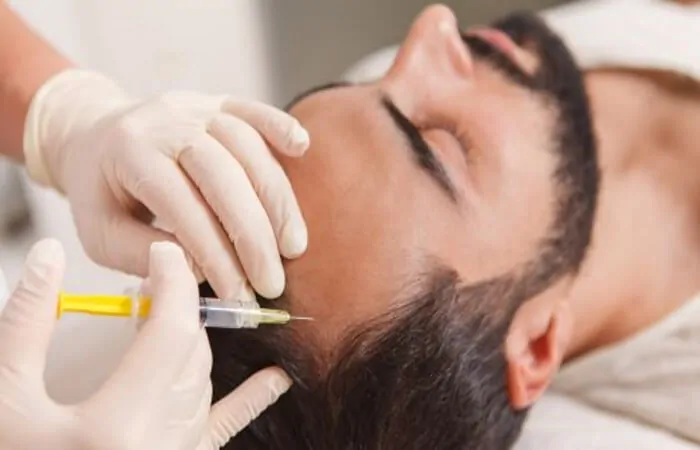
PRP stands for Platelet-Rich Plasma, a component of blood that contains a high concentration of platelets responsible for tissue repair, regeneration, and healing. By isolating and re-injecting these platelets into the scalp, doctors can naturally stimulate hair follicles, encouraging new growth while strengthening existing strands.

Key benefits of PRP therapy include:

  • Enhanced blood supply to hair follicles.
  • Activation of dormant follicles.
  • Strengthening of weak and miniaturized hairs.
  • Reduction of hair shedding.
  • Improvement of overall scalp health.

Unlike hair transplant surgery, PRP does not involve follicle extraction or implantation. Instead, it works as a supportive therapy that can be applied on its own or in combination with hair transplantation to enhance results.
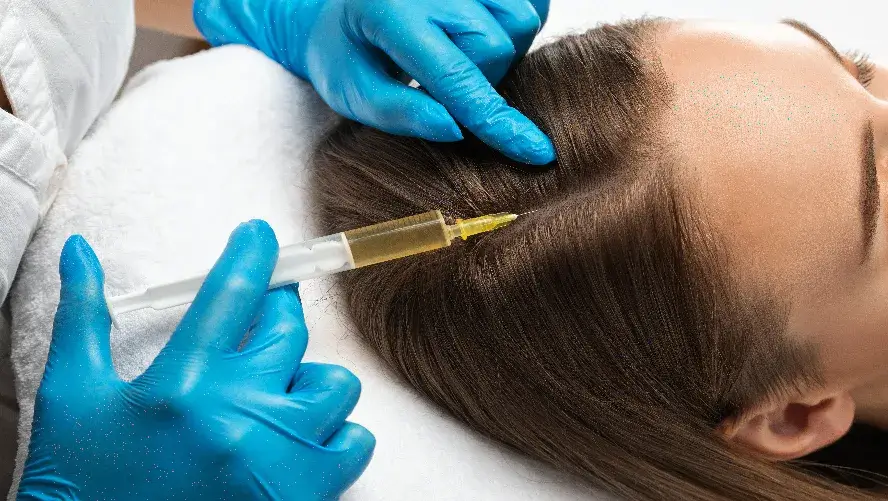
sac tedavisi prp

The PRP Hair Treatment Procedure in Istanbul

PRP hair treatment in Turkey is performed in modern, Ministry of Health-approved clinics under strict medical standards. The procedure usually takes less than an hour and follows these steps:

  1. Blood Collection – A small amount of blood (10–20 ml) is drawn from the patient.
  2. Centrifugation Process – The blood sample is placed in a centrifuge machine, which spins at high speed to separate the platelet-rich plasma from other blood components.
  3. Preparation of PRP – The concentrated PRP is collected and prepared for injection.
  4. Scalp Preparation – The treatment area is cleansed, and a topical anesthetic cream may be applied to ensure comfort.
  5. Injection Process – Using fine needles, PRP is carefully injected into areas of thinning or baldness.
  6. Post-Treatment Care – Patients can resume normal activities immediately, though mild redness or sensitivity may last for a few hours.

The entire session typically lasts 20–40 minutes, making PRP a convenient lunchtime procedure.

Advantages of PRP Hair Treatment in Turkey

Turkey, and especially Istanbul, offers unique advantages for international patients seeking PRP hair restoration:

  • Expert Doctors: Experienced specialists with international training.
  • Modern Technology: Clinics equipped with advanced centrifuge systems and PRP kits.
  • Affordable Costs: Due to currency advantages, prices are much lower compared to Europe or the US.
  • Comprehensive Packages: VIP transfer, hotel accommodation, and multilingual patient support.
  • Tourism Opportunities: Patients can combine treatment with exploring Istanbul’s cultural and historical attractions.

PRP Hair Treatment Benefits Explained

The benefits of PRP are both cosmetic and medical. Below is a detailed explanation:

  • Reduces Hair Loss – By nourishing follicles, PRP significantly slows down shedding.
  • Thickens Existing Hair – Weak and thinning hair strands become stronger and denser.
  • Stimulates New Growth – Dormant follicles are reactivated, leading to visible regrowth.
  • Improves Scalp Health – Increased blood circulation helps treat dandruff, dryness, and inflammation.
  • Natural and Safe – As PRP comes from the patient’s own blood, there is no risk of allergic reaction.
  • Supports Hair Transplantation – When combined with FUE or DHI hair transplantation, PRP accelerates healing and improves graft survival.

PRP Hair Treatment Results Timeline

Results vary depending on the individual’s condition and lifestyle, but a typical timeline is:

  • Month 1–2: Reduction in shedding, healthier scalp.
  • Month 3–4: Initial signs of new hair growth.
  • Month 6: Noticeable thickening and improved density.
  • Month 8–12: Full visible results, with permanent strengthening of hair follicles.

Patients are usually recommended to undergo 4–6 sessions, spaced 2–4 weeks apart, for optimal results.

PRP Hair Treatment vs. Hair Transplant

Feature PRP Hair Treatment Hair Transplant (FUE/DHI)
Method Injection of platelet-rich plasma Transplanting follicles from donor area
Hair Loss Impact Stops shedding, strengthens existing hair Covers bald spots permanently
Surgery Non-surgical, minimally invasive Surgical procedure under local anesthesia
Results Timeline 3–12 months 6–12 months
Longevity Long-lasting with maintenance Permanent results

PRP Hair Treatment Cost in Turkey

The cost of PRP hair treatment in Turkey varies based on:

  • Doctor’s experience and specialization.
  • Quality of PRP kits and centrifuge devices.
  • Number of sessions required.
  • The clinic’s reputation and facilities.

 According to the Turkish Ministry of Health, it is prohibited to publish exact prices online. For a personalized quotation, patients should contact the clinic directly.

PRP Hair Treatment FAQ

Is PRP painful?

No. Local anesthetic creams make the procedure almost painless.

Who is a candidate?

Both men and women over 18 experiencing hair thinning, genetic hair loss, or weak follicles.

Can PRP be combined with other treatments?

Yes, PRP is often combined with hair transplantation, mesotherapy, or medication.

Are the results permanent?

PRP strengthens follicles and reduces shedding, but maintenance sessions may be required to sustain results.

How long does recovery take?

There is no downtime. Patients can resume daily life immediately after treatment.

PRP Hair Treatment in Turkey, especially in Istanbul, has become one of the most sought-after solutions for men and women struggling with hair loss. By harnessing the body’s natural healing power, PRP stimulates follicle regeneration, reduces shedding, and promotes new hair growth without surgery.

With its affordability, expert doctors, and world-class clinics, Turkey ranks among the top destinations worldwide for hair loss treatment. For patients seeking a safe, effective, and natural way to restore their hair, PRP therapy offers lasting results and renewed confidence.

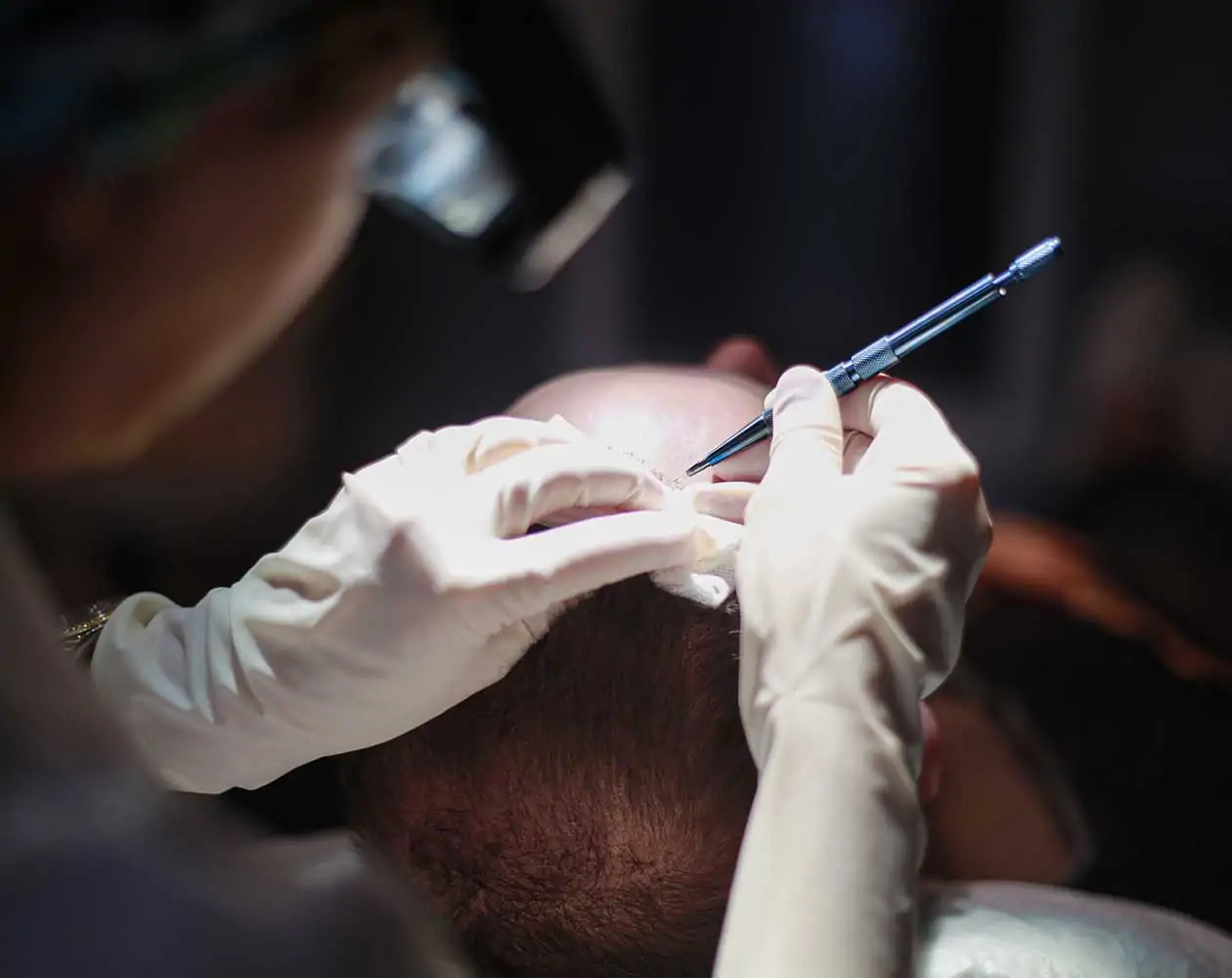
Hair Transplant in Turkey

Hair Transplant in Turkey

Hair loss affects millions of men and women worldwide, impacting not only appearance but also confidence and quality of life. Over the past decade, Turkey—especially Istanbul—has become the number one destination for hair transplantation worldwide. Every year, thousands of international patients travel to Turkey to undergo advanced hair restoration procedures, thanks to its combination of experienced surgeons, modern techniques, affordable pricing, and luxury all-inclusive medical tourism packages.

If you are considering a hair transplant in Turkey, this comprehensive guide will walk you through everything you need to know—from the surgical techniques used to success rates, costs, and what makes Turkey different from other countries.

What Is Hair Transplantation?

A hair transplant is a permanent solution for baldness and thinning hair. The procedure involves transferring healthy hair follicles from donor areas (usually the back of the scalp, sometimes chest or beard) to bald or thinning regions.

Unlike temporary treatments such as medications or topical solutions, hair transplantation offers a lifelong, natural result. It is performed under local anesthesia and takes between 4–8 hours depending on the number of grafts.

The Most Popular Hair Transplant Techniques in Turkey

  • FUE (Follicular Unit Extraction): Individual grafts are extracted with micro-punch tools and transplanted into balding areas. Minimally invasive, with fast healing and no linear scars.
  • DHI (Direct Hair Implantation): Uses a Choi implanter pen to place follicles directly without creating incisions first, ensuring higher density and precision.
  • Sapphire FUE: Advanced form of FUE that uses sapphire blades instead of steel, reducing trauma and accelerating healing.

Note: Some clinics promote Robotic Hair Transplant, but it is not widely preferred in Turkey as results from doctor-led manual methods are superior in precision and aesthetics.

sapphire fue hair transplant.jpeg1

Why Choose Turkey for Hair Transplantation?

1. Affordable Prices with Premium Quality

Thanks to favorable currency exchange rates, patients from Europe, the UK, and the Middle East can receive world-class surgical care at a fraction of the price they would pay in their home countries.

2. Experienced and Skilled Surgeons

Turkey is home to some of the world’s most renowned hair transplant surgeons, many with 20+ years of experience. The combination of expertise and surgical artistry ensures natural, dense, and permanent results.

3. Luxury All-Inclusive Packages

Most clinics in Istanbul provide A+ medical tourism packages, including:

  • VIP airport transfers
  • 4–5-star hotel accommodation
  • Interpreter support in multiple languages
  • Pre-operative consultation and tests
  • Pain-free local anesthesia
  • Post-operative medications and care kit
  • Follow-up consultations and 24/7 WhatsApp support

This makes the process smooth, stress-free, and comparable to a luxury medical retreat.

4. No Waiting Times

While in many countries patients wait months for an operation, in Turkey you can schedule surgery within days.

5. Fast Recovery and Advanced Technology

Techniques like Sapphire FUE and DHI minimize trauma, allowing patients to return to daily life in 2–3 days.

6. Tourism Opportunities

A hair transplant in Istanbul is more than just a medical procedure. Patients can combine surgery with a vacation, exploring the city’s historical landmarks, shopping, and cultural richness.

Step-by-Step Hair Transplant Process in Turkey

  • Consultation & Hair Analysis

The doctor evaluates hair loss pattern, donor capacity, and sets a personalized plan.

  • Pre-Operative Preparation

Blood tests, shaving (if necessary), and local anesthesia application.

  • Graft Extraction

Hair follicles are extracted carefully using FUE or Sapphire FUE.

  • Channel Opening / DHI Direct Placement

Tiny incisions are made (Sapphire FUE) or follicles are placed directly (DHI).

  • Graft Implantation

Follicles are transplanted at the correct angle and density for a natural look.

  • Post-Operative Care

First wash is done at the clinic, aftercare kit is provided, and patients receive detailed instructions.

  • Follow-Up

Clinics often provide 1-year follow-up to track growth and ensure patient satisfaction.

Comparison: Hair Transplant in Turkey vs Other Countries

Feature Turkey Other Countries
Price Affordable (due to exchange rate advantage) Significantly higher
Techniques FUE, DHI, Sapphire FUE (Robotic not preferred) Limited options in many clinics
Surgeon Expertise Internationally recognized doctors with 20+ years’ experience Varies widely
Packages VIP hotel, transfer, aftercare included Surgery-only packages common
Waiting Time 1 week or less 2–3 months waiting list
Recovery Back to daily life in 2–3 days Longer downtime
Tourism Istanbul: medical + cultural experience Mostly medical focus

Success Rate of Hair Transplant in Turkey

Turkey maintains one of the highest global success rates, with 90–95% graft survival. This is due to:

  • Use of the latest microsurgical tools
  • Highly trained medical teams
  • Strict hygiene and safety standards
  • Personalized surgical planning

Satisfied patients from across the world consistently rate Turkey as the top destination for hair restoration.

Factors Affecting Hair Transplant Cost in Turkey

While Turkey is affordable, prices vary depending on:

  • Number of grafts required
  • Technique chosen (DHI, FUE, Sapphire FUE)
  • Doctor’s expertise and clinic reputation
  • Inclusion of luxury services (hotel, transfers, aftercare)

On average, patients save up to 70% compared to prices in the UK, Europe, or the USA.

Why Istanbul Is the Hair Transplant Capital

  • Over 1,000 specialized clinics located in Istanbul
  • Surgeons performing thousands of procedures annually
  • Premium hospitals with JCI accreditation
  • International medical tourism infrastructure

This makes Hair Transplant Istanbul the most searched and trusted option globally.

Frequently Asked Questions (FAQ)

Is hair transplant in Turkey safe?

Yes. When performed in Ministry of Health–approved clinics by experienced doctors, the procedure is extremely safe.

How long should I stay in Turkey after the surgery?

Most patients stay 3–5 days for surgery, follow-up, and first wash.

Will the results look natural?

Yes. Techniques like DHI and Sapphire FUE ensure natural hairline design and dense coverage.

Does the procedure hurt?

No. Pain-free local anesthesia is applied, and patients report minimal discomfort.

When will I see results?

Initial growth appears in 3–4 months, with final results visible after 9–12 months.

Which cities are most popular for hair transplant in Turkey?

Istanbul is the top destination, followed by Ankara and Izmir.

Choosing a hair transplant in Turkey means more than just restoring your hair—it’s about receiving luxury A+ medical care, doctor-led procedures, and world-class results at affordable prices. With advanced techniques like FUE, DHI, and Sapphire FUE, experienced surgeons in Istanbul are setting the global standard for hair restoration.

Whether you’re seeking a natural hairline, higher density, or a full transformation, Turkey offers the perfect combination of medical excellence and cultural experience, making it the leading destination for hair transplants worldwide.

Forehead Reduction (Hairline Lowering)

Forehead Reduction (Hairline Lowering)

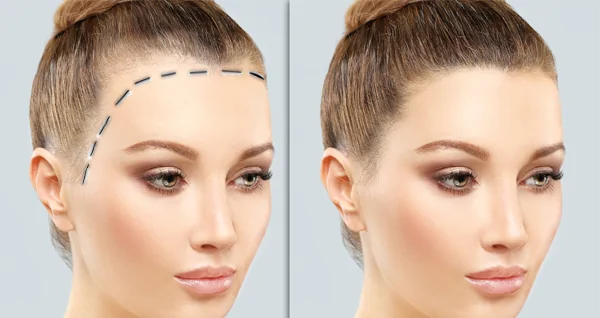
Hairline lowering with hair transplantation is an effective aesthetic procedure applied to women who experience forehead widening due to genetic factors, hormonal changes, or hair loss. A high or receding hairline can disrupt facial harmony, alter the golden ratio, and negatively impact self-confidence. By advancing the hairline forward by 1–3 cm through hair transplantation, women achieve a more balanced, natural, and aesthetically pleasing appearance.

How Is Hairline Lowering with Hair Transplantation Performed in Women?

The procedure is performed using the FUE hair transplant technique. The donor area is typically the occipital (nape) region. Healthy hair follicles harvested from this area are implanted into micro-channels opened under local anesthesia, with careful attention to the natural growth direction of the hair.

Before the procedure, the hairline is meticulously designed based on the facial golden ratio, ensuring a personalized and natural outcome.

Cost of Hairline Lowering with Hair Transplantation in Women

The cost of female forehead reduction with hair transplantation depends on several factors:

  • Degree of forehead height or hairline recession
  • Number of grafts required
  • Technique used (FUE/DHI)
  • Experience of the surgeon
  • Clinical infrastructure

Due to regulations by the Ministry of Health, exact prices cannot be shared online. For detailed information and an individualized quotation, patients should contact the clinic directly.

Suitable Candidates for Female Hairline Lowering

  • Women with structurally wide foreheads
  • Patients experiencing forehead recession due to genetic or hormonal factors
  • Those with facial disproportions caused by a receding hairline
  • Women who feel obliged to conceal a broad forehead with hairstyles
  • Individuals experiencing self-esteem issues due to forehead disproportion
  • Women aged 18 and above with no contraindications to minor surgery

How Is the Hairline Designed in Female Forehead Reduction?

The hairline is designed by considering the facial golden ratio (1/3 rule). Age and facial proportions are evaluated to create the most natural and harmonious hairline. Overly advanced or disproportionate hairlines may appear artificial; therefore, precise planning must be carried out by experienced surgeons.

Advantages of Hairline Lowering with Hair Transplantation in Women

  • Provides a natural and proportionate forehead appearance
  • Balances female facial features for a more aesthetic look
  • Permanent results, as transplanted follicles are lifelong
  • Short recovery period and rapid return to daily life

Hairline Lowering with Hair Transplantation – Key Features

Procedure Feature Details
Technique FUE Hair Transplantation
Hairline Advancement 1–3 cm forward
Anesthesia Local Anesthesia (Painless)
Procedure Duration Approximately 6–8 hours
Healing Scabbing resolves within 10–15 days; new hair growth begins in 2–3 months
Permanent Result Natural and permanent hair appearance within 1 year

Frequently Asked Questions (FAQ)

Is the procedure painful?

No. It is performed under local anesthesia, and patients do not feel pain.

When will the new hair grow after the procedure?

Initial shedding (shock loss) occurs in the first 2–3 months. Permanent new hair begins to appear from the 6th month, with full results at 12 months.

Is shaving required?

No. In women, unshaven FUE is usually preferred. Only a small area in the donor region is trimmed.

Are the results permanent?

Yes. Transplanted follicles are resistant to hair loss and remain permanent for a lifetime.

Female Pattern Hair Loss in Women

Female Pattern Hair Loss in Women

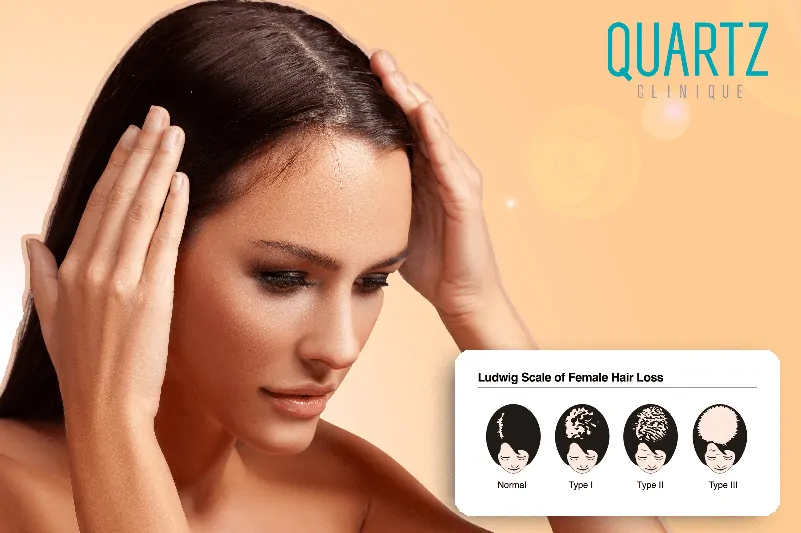
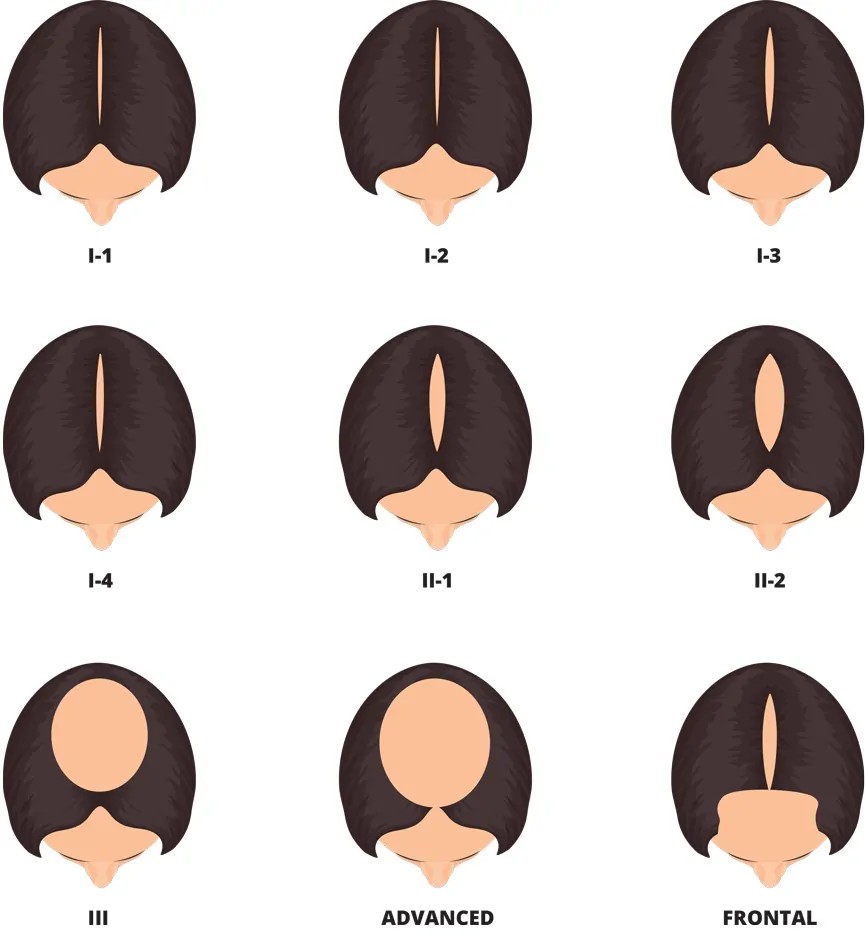
Female Pattern Hair Loss (FPHL), medically termed androgenetic alopecia in women, is the leading cause of progressive thinning and reduced hair density in females worldwide. It is a chronic condition that usually begins with gradual thinning over the midline and crown of the scalp rather than a receding frontal hairline, as is typical in men.

The psychosocial burden is profound: women often associate hair with beauty, youth, and confidence. Thus, FPHL not only affects external appearance but may also lead to depression, anxiety, and reduced quality of life.

Classification of Hair Loss in Women

Hair loss in women can present with different patterns. Proper classification helps guide treatment.

Type of Hair Loss Clinical Features Occurrence in Women
Female Pattern Hair Loss (FPHL) Diffuse thinning across the scalp, especially at the crown and part line; hair shaft miniaturization. Very common
Male Pattern Distribution in Women (AGA) Marked thinning at the crown and frontal hairline; progressive miniaturization of androgen-sensitive follicles. Frequent
Localized Alopecia (Alopecia Areata / Traumatic) Well-defined patches of baldness; autoimmune, traumatic, or scarring causes. Less common

Causes of Female Pattern Hair Loss

FPHL results from a combination of hormonal, genetic, and environmental factors.

  • Hormonal Imbalances: Increased androgens (testosterone, DHT) accelerate follicle miniaturization; estrogen decline after menopause worsens the effect.
  • Genetic Predisposition: Women with a family history of pattern hair loss are more susceptible.
  • Life Stages: Menopause and postpartum hormonal shifts may unmask latent androgenetic alopecia.
  • Stress & Psychological Factors: Chronic stress alters cortisol and disrupts the hair cycle.
  • Nutritional Deficiencies: Deficit in iron, vitamin D, zinc, or biotin impairs follicular health.
  • Chronic Diseases: Polycystic ovary syndrome (PCOS), thyroid disorders, metabolic syndrome.

Clinical Features & Symptoms

  • Progressive Thinning: Most visible on the crown and central scalp.
  • Widening Part Line: A hallmark of female pattern baldness.
  • Recession of Frontal Hairline: Less common but may appear in advanced cases.
  • Excessive Shedding: Daily hair loss exceeding normal range.
  • Laboratory Findings: Hormonal imbalances, iron deficiency, or thyroid abnormalities may be detected.
kadinlarda erkek tipi dokulme

Treatment Modalities

Management is individualized. In early stages, medical therapies may stabilize hair loss. In more advanced cases, regenerative treatments and hair transplantation are considered.

Treatment Option Description Advantages Limitations
Medical Therapies Topical minoxidil, anti-androgen medications, hormone regulation, nutritional supplementation. Slows progression; strengthens existing follicles. Not curative; requires continuous use; limited effect in advanced baldness.
PRP & Stem Cell Therapies Platelet-rich plasma or mesenchymal stem cell injections. Improves thickness and quality of existing hair. Requires multiple sessions; insufficient for extensive baldness.
Hair Transplantation (FUE/DHI) Transfer of permanent donor follicles from the nape to thinning areas. Permanent, natural-looking density; effective in advanced cases. Surgical; requires skilled surgeon and sufficient donor supply.
Supportive Therapies Laser therapy, mesotherapy, medical hair care products. Enhances scalp health; complements other treatments. Not effective as a stand-alone therapy for bald patches.

Hair Transplantation in Women

Indications

  • Advanced hair thinning resistant to medical therapy
  • Adequate donor hair supply
  • Desire for permanent, natural density

Step-by-Step Procedure

  1. Pre-Operative Assessment: Hormonal testing, trichoscopy, scalp analysis.
  2. Local Anesthesia: Ensures comfort during the procedure.
  3. Donor Harvesting: Follicles taken from the occipital scalp.
  4. Channel Creation: Sapphire microblades used for precision.
  5. Implantation: Follicles placed at natural angles to replicate hair growth patterns.

Recovery & Timeline

  • Days 1–10: Redness, scabbing, and mild swelling. Follicles remain fragile.
  • Weeks 2–4: Temporary shedding (“shock loss”) occurs.
  • Months 3–6: Initial regrowth becomes visible.
  • Months 6–12: Density increases significantly.
  • After 12 Months: Final, stable, and natural-looking results.

Cost Considerations

Hair transplant cost in women depends on:

  • Severity of hair loss
  • Number of grafts required
  • Technique (FUE vs. DHI)
  • Surgeon’s expertise
  • Clinic infrastructure

Due to Ministry of Health regulations, exact prices cannot be published online. For consultation and quotation: +90 212 241 46 24

Frequently Asked Questions (FAQ)

Can female pattern hair loss be completely stopped?

No. Medical therapy slows progression, but hair transplantation is the permanent solution.

Are the results natural?

Yes. With FUE/DHI, follicles are implanted at natural angles, ensuring undetectable outcomes.

How long is the recovery?

Healing takes ~10 days; full results are seen at 12 months.

Is unshaven hair transplant possible for women?

Yes. Partial trimming of the donor area allows an unshaven technique.

Does scarring occur?

No visible scars with FUE/DHI. FUT may leave a linear scar, rarely used today.

Energy Drinks Cause Hair Loss?

Energy Drinks Cause Hair Loss?

Energy drinks have become increasingly popular among individuals seeking a quick boost of energy and mental alertness. However, recent discussions and studies have raised concerns about a potential link between energy drink consumption and hair loss. Could your favorite can of energy drink actually be contributing to thinning hair? Let’s explore the facts.

Do Energy Drinks Cause Hair Loss?

While there is no definitive scientific proof that energy drinks directly cause hair loss, some research suggests there may be a correlation between frequent consumption of sweetened energy beverages and increased risk of hair loss.

A 2023 study published in the journal Nutrients found that men who consumed more than one sweetened drink per day were 42% more likely to experience hair loss compared to those who did not. Interestingly, this increased risk was observed even in sweetened drinks without caffeine, indicating that sugar content may play a more critical role than caffeine itself.

Why Might Energy Drinks Be Linked to Hair Loss?

There are a few theories about how energy drinks could negatively impact hair follicle health:

  • High sugar content can cause inflammation throughout the body, potentially damaging hair follicles and disrupting the natural hair growth cycle.
  • Caffeine overload in energy drinks can interfere with sleep quality and hormone regulation, both of which are essential for healthy hair growth.
  • Nutrient imbalance — frequent consumption of energy drinks can replace healthier food and beverage choices, depriving the body of essential vitamins and minerals needed for hair health.

Important Note: Correlation Doesn’t Mean Causation

It’s important to remember that the study linking energy drinks to hair loss was observational. This means it cannot conclusively prove that energy drinks cause hair loss. Other factors such as genetics, stress, diet, and hormonal changes may also contribute to the observed association.
Nevertheless, experts agree that limiting your intake of energy drinks is beneficial not only for hair health but also for overall well-being.

How Energy Drinks May Affect Your Body (and Hair)

Component in Energy DrinksPossible Impact on HairOverall Health Effect
SugarMay trigger inflammation and oxidative stress that harm folliclesCan lead to insulin resistance, obesity, and skin issues
CaffeineExcessive intake may disrupt sleep and hormone balanceCan cause anxiety, dehydration, and heart palpitations
Artificial AdditivesMay increase oxidative stress, indirectly affecting scalp healthLinked with poor digestion and immune imbalance
Taurine & B-VitaminsCan support energy metabolism but not directly linked to hair growthGenerally safe in moderation

Tips to Prevent Hair Loss and Support Hair Health

Even if you occasionally enjoy energy drinks, you can take several steps to protect your hair health and reduce potential damage:

  • Eat a balanced diet rich in fruits, vegetables, whole grains, and lean proteins.
  • Get enough sleep to support cell regeneration.
  • Manage stress through exercise, meditation, or hobbies.
  • Avoid smoking and limit alcohol consumption.
  • Stay hydrated — water is essential for scalp and follicle health.
  • Consult a doctor if you notice unusual or accelerated hair loss.

Your doctor can help identify the underlying cause and recommend treatments such as minoxidil (Rogaine), finasteride (Propecia), or PRP therapy to promote regrowth.

Caffeine and Hair Growth: Friend or Foe?

Interestingly, caffeine is not entirely bad for hair.
Some studies suggest that caffeine can stimulate hair growth by prolonging the anagen (growth) phase of hair follicles.
However, this benefit is seen primarily with topical caffeine applications, not with consuming large amounts of caffeinated beverages.
Thus, the stimulating effects of caffeine in energy drinks may not be strong enough to counteract their potential negative effects on overall health and hair.

Expert Advice: Limit Energy Drink Consumption

Energy drinks can cause dehydration, anxiety, and even heart rhythm disturbances.
If you’re concerned about your hair and overall health, it’s best to limit or avoid these drinks entirely.
Choose natural alternatives like water, herbal teas, fresh juices, and balanced meals for sustained energy without compromising your hair health.

Frequently Asked Questions (FAQ)

Can energy drinks contribute to hair loss?

While some studies suggest a link, there is no conclusive proof that energy drinks directly cause hair loss.

Are there specific ingredients in energy drinks responsible for hair loss?

Hair loss is more often associated with genetics, hormonal changes, nutritional deficiencies, or medical conditions rather than a single ingredient.

Does excessive consumption affect overall hair health?

Yes. Energy drinks are high in sugar and low in nutrients, which can lead to poor overall health and indirectly affect hair strength and density.

Should I worry about caffeine in energy drinks?

Moderate caffeine consumption is safe for most people, but excessive intake may lead to dehydration and sleep disruption, both of which can impact hair health.

Can energy drinks worsen existing hair loss conditions?

Not directly, but they can contribute to overall stress and poor health, which may accelerate existing hair loss tendencies.

What are healthier alternatives to energy drinks?

Opt for water, coconut water, natural smoothies, or herbal teas. These provide hydration and essential nutrients beneficial for hair.

Which nutrients are important for hair health?

Vitamins A, C, D, E, Biotin, Zinc, Iron, and Omega-3 fatty acids are vital for maintaining healthy hair.

Can energy drinks lead to nutrient deficiencies?

Yes. Relying on energy drinks instead of balanced meals can cause deficiencies in essential nutrients required for hair growth.

How can I protect my hair if I still consume energy drinks occasionally?

Balance consumption with a nutritious diet, regular exercise, hydration, and proper scalp care. Avoid overuse and prioritize overall wellness.

What should I do if I’m already experiencing hair loss?

Consult a dermatologist or hair specialist to determine the underlying cause and explore personalized treatment options.

While energy drinks are not proven to cause hair loss, their excessive consumption may contribute to poor overall health — which in turn can negatively impact your hair.
Moderation is key: replacing energy drinks with nutrient-rich foods and healthy lifestyle habits will benefit not only your energy levels but also the health and vitality of your hair.

If you are experiencing noticeable hair thinning or shedding, consider visiting Quartz Hair Clinic in Istanbul, where our experts provide comprehensive diagnostic evaluations and advanced treatments for hair restoration.