Female Pattern Hair Loss in Women

Female Pattern Hair Loss in Women

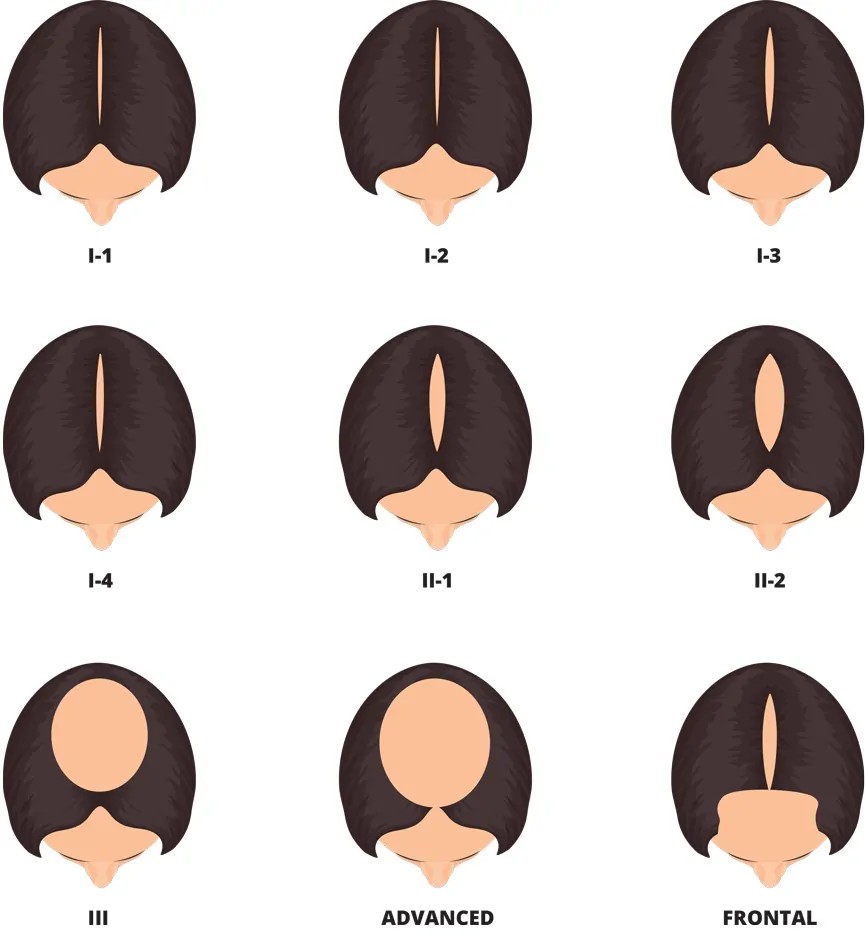
Female Pattern Hair Loss (FPHL), medically termed androgenetic alopecia in women, is the leading cause of progressive thinning and reduced hair density in females worldwide. It is a chronic condition that usually begins with gradual thinning over the midline and crown of the scalp rather than a receding frontal hairline, as is typical in men.

The psychosocial burden is profound: women often associate hair with beauty, youth, and confidence. Thus, FPHL not only affects external appearance but may also lead to depression, anxiety, and reduced quality of life.

Classification of Hair Loss in Women

Hair loss in women can present with different patterns. Proper classification helps guide treatment.

Type of Hair Loss Clinical Features Occurrence in Women
Female Pattern Hair Loss (FPHL) Diffuse thinning across the scalp, especially at the crown and part line; hair shaft miniaturization. Very common
Male Pattern Distribution in Women (AGA) Marked thinning at the crown and frontal hairline; progressive miniaturization of androgen-sensitive follicles. Frequent
Localized Alopecia (Alopecia Areata / Traumatic) Well-defined patches of baldness; autoimmune, traumatic, or scarring causes. Less common

Causes of Female Pattern Hair Loss

FPHL results from a combination of hormonal, genetic, and environmental factors.

  • Hormonal Imbalances: Increased androgens (testosterone, DHT) accelerate follicle miniaturization; estrogen decline after menopause worsens the effect.
  • Genetic Predisposition: Women with a family history of pattern hair loss are more susceptible.
  • Life Stages: Menopause and postpartum hormonal shifts may unmask latent androgenetic alopecia.
  • Stress & Psychological Factors: Chronic stress alters cortisol and disrupts the hair cycle.
  • Nutritional Deficiencies: Deficit in iron, vitamin D, zinc, or biotin impairs follicular health.
  • Chronic Diseases: Polycystic ovary syndrome (PCOS), thyroid disorders, metabolic syndrome.

Clinical Features & Symptoms

  • Progressive Thinning: Most visible on the crown and central scalp.
  • Widening Part Line: A hallmark of female pattern baldness.
  • Recession of Frontal Hairline: Less common but may appear in advanced cases.
  • Excessive Shedding: Daily hair loss exceeding normal range.
  • Laboratory Findings: Hormonal imbalances, iron deficiency, or thyroid abnormalities may be detected.
kadinlarda erkek tipi dokulme

Treatment Modalities

Management is individualized. In early stages, medical therapies may stabilize hair loss. In more advanced cases, regenerative treatments and hair transplantation are considered.

Treatment Option Description Advantages Limitations
Medical Therapies Topical minoxidil, anti-androgen medications, hormone regulation, nutritional supplementation. Slows progression; strengthens existing follicles. Not curative; requires continuous use; limited effect in advanced baldness.
PRP & Stem Cell Therapies Platelet-rich plasma or mesenchymal stem cell injections. Improves thickness and quality of existing hair. Requires multiple sessions; insufficient for extensive baldness.
Hair Transplantation (FUE/DHI) Transfer of permanent donor follicles from the nape to thinning areas. Permanent, natural-looking density; effective in advanced cases. Surgical; requires skilled surgeon and sufficient donor supply.
Supportive Therapies Laser therapy, mesotherapy, medical hair care products. Enhances scalp health; complements other treatments. Not effective as a stand-alone therapy for bald patches.

Hair Transplantation in Women

Indications

  • Advanced hair thinning resistant to medical therapy
  • Adequate donor hair supply
  • Desire for permanent, natural density

Step-by-Step Procedure

  1. Pre-Operative Assessment: Hormonal testing, trichoscopy, scalp analysis.
  2. Local Anesthesia: Ensures comfort during the procedure.
  3. Donor Harvesting: Follicles taken from the occipital scalp.
  4. Channel Creation: Sapphire microblades used for precision.
  5. Implantation: Follicles placed at natural angles to replicate hair growth patterns.

Recovery & Timeline

  • Days 1–10: Redness, scabbing, and mild swelling. Follicles remain fragile.
  • Weeks 2–4: Temporary shedding (“shock loss”) occurs.
  • Months 3–6: Initial regrowth becomes visible.
  • Months 6–12: Density increases significantly.
  • After 12 Months: Final, stable, and natural-looking results.

Cost Considerations

Hair transplant cost in women depends on:

  • Severity of hair loss
  • Number of grafts required
  • Technique (FUE vs. DHI)
  • Surgeon’s expertise
  • Clinic infrastructure

Due to Ministry of Health regulations, exact prices cannot be published online. For consultation and quotation: +90 212 241 46 24

Frequently Asked Questions (FAQ)

Can female pattern hair loss be completely stopped?

No. Medical therapy slows progression, but hair transplantation is the permanent solution.

Are the results natural?

Yes. With FUE/DHI, follicles are implanted at natural angles, ensuring undetectable outcomes.

How long is the recovery?

Healing takes ~10 days; full results are seen at 12 months.

Is unshaven hair transplant possible for women?

Yes. Partial trimming of the donor area allows an unshaven technique.

Does scarring occur?

No visible scars with FUE/DHI. FUT may leave a linear scar, rarely used today.
Mustache Transplant

Mustache Transplant

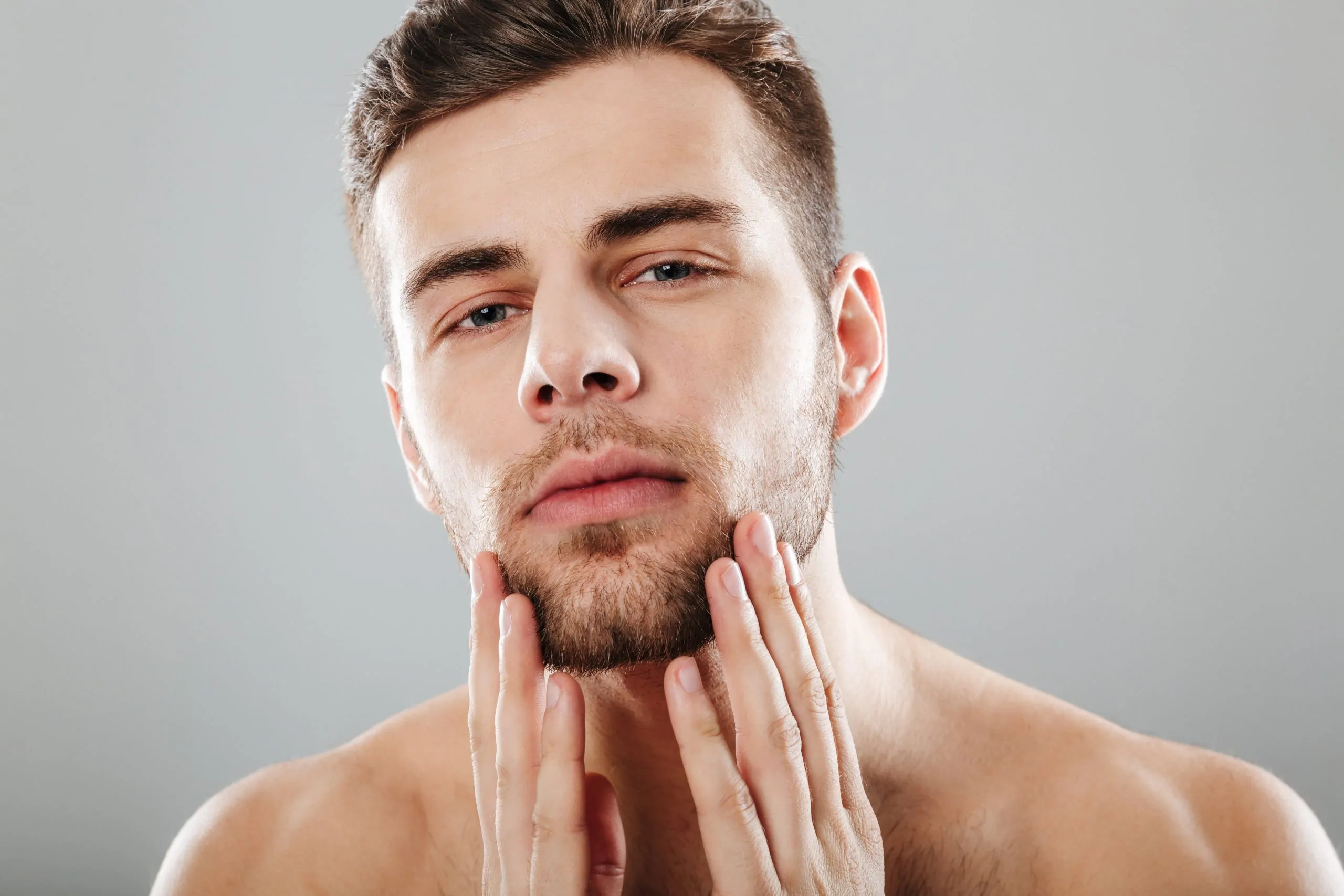
A mustache transplant is a highly specialized microsurgical procedure designed for men who have sparse, patchy, or absent mustache growth. Causes include genetic factors, hormonal imbalances, trauma, scars, or burns. The mustache is a defining feature of masculine appearance and plays a central role in cultural and social identity. Restoring a natural mustache line not only improves facial harmony but also strengthens confidence and self-esteem.

Turkey has become one of the most popular destinations for mustache hair transplant procedures, offering advanced technology, experienced surgeons, and affordable treatment packages that attract thousands of patients every year.

What Is a Mustache Transplant?

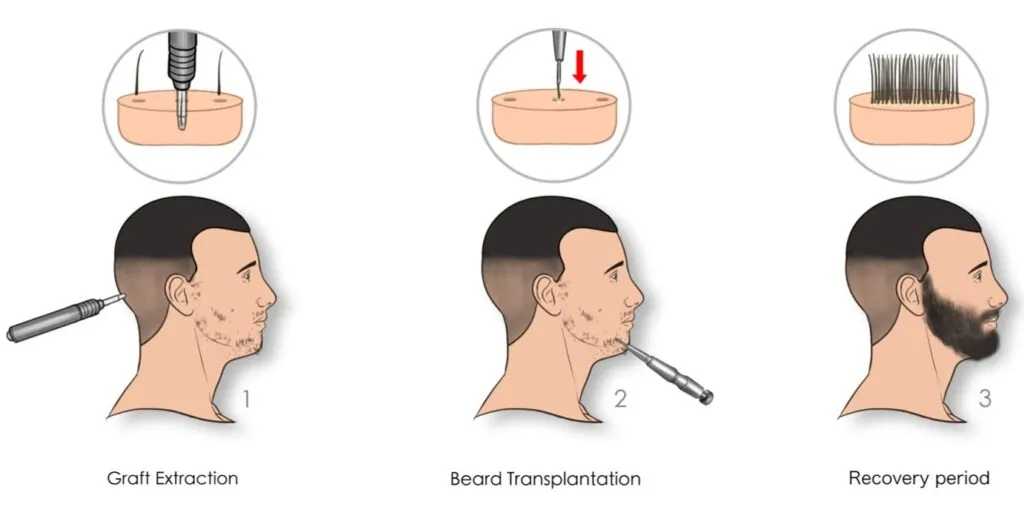
A mustache transplant in Turkey involves transferring healthy hair follicles from the donor area (commonly the back of the scalp or under the jawline) to the mustache region.

  • Technique: Most commonly performed with FUE (Follicular Unit Extraction) or DHI (Direct Hair Implantation).
  • Anesthesia: Local anesthesia ensures a pain-free experience.
  • Natural Angles: Follicles are carefully inserted according to the natural growth direction.
  • Outcome: Results in a thick, symmetrical, and natural-looking mustache line.

Because FUE and DHI are minimally invasive techniques, there are no stitches or large incisions, and the risk of visible scarring is minimal.

How Is the Procedure Performed?

The procedure requires both surgical precision and an artistic approach to achieve a mustache that complements the patient’s facial proportions.

Consultation and Planning

  • A detailed medical history and facial assessment are carried out.
  • The mustache line is designed based on patient preference and facial harmony.
  • The number of grafts required is calculated.

Donor Hair Extraction

  • Healthy follicles are harvested one by one from the donor site.
  • Donor areas are usually the scalp or beard under the chin, which provide hair similar in texture to mustache hair.

Graft Preservation

  • Extracted follicles are stored in a special nutrient-rich solution until implantation.

Implantation

  • Micro-channels are opened in the mustache region.
  • Follicles are implanted individually at specific angles to mimic natural mustache growth.

Duration

  • The procedure lasts about 3–5 hours, depending on graft numbers.
  • Patients are discharged the same day.

Advantages of Mustache Transplant

  • Natural and Permanent Results: Transplanted follicles grow for life.
  • Fast Recovery: Patients can return to normal life within days.
  • No Visible Scarring: Modern techniques prevent noticeable scars.
  • Facial Balance: Creates a fuller, more masculine look.
  • Scar Camouflage: Effective in covering burns, injuries, or previous surgical scars.
sakal biyik ekim

Who Is a Suitable Candidate?

  • Mustache transplant is suitable for men who:
  • Are 18 years or older and in good overall health
  • Have sparse or absent mustache hair due to genetics or trauma
  • Want to correct asymmetry or patchiness in the mustache region
  • Have adequate donor follicles available for transplantation

Recovery Timeline After Mustache Transplant

  • First Week: Redness, swelling, and small scabs are normal; these fade within 7–10 days.
  • Weeks 2–3: “Shock shedding” occurs, where transplanted hairs fall out temporarily before regrowth.
  • Months 3–4: New mustache hairs begin to grow.
  • Months 6–8: Permanent, natural results are visible.

During this period, patients must follow aftercare instructions: avoid touching or scratching the area, use prescribed lotions and shampoos, and protect the skin from sun and trauma.

Mustache Transplant Aftercare Table

Period Condition Recommended Care
First Week Redness, scabbing Avoid touching, sleep on your back, use medical lotion
Weeks 2–3 Shock shedding Do not panic, wait for natural regrowth
Months 3–6 New hair growth Attend follow-ups, follow doctor’s advice
Months 6–8 Permanent results Resume normal grooming and hygiene

Cost of Mustache Transplant in Turkey

  • The cost of mustache transplant depends on:
  • Number of grafts required
  • Technique (FUE vs. DHI)
  • Surgeon’s experience
  • Clinic facilities and services (accommodation, transfers, aftercare)

Due to regulations, exact prices cannot be published online. Patients should contact the clinic directly for personalized treatment plans and quotations.

Frequently Asked Questions (FAQ)

Is mustache transplant permanent?

Yes. Transplanted follicles are permanent and grow naturally for life.

When will I see results?

Initial results begin at 3 months, with final density achieved in 6–8 months.

Does the procedure leave scars?

No. FUE and DHI techniques leave no visible scars.

When can I shave after a mustache transplant?

Usually after 1 month, under medical guidance.

Can mustache and beard transplant be combined?

Yes. Many patients undergo combined beard and mustache transplant for a fuller look.

A mustache transplant in Turkey is a reliable, safe, and permanent solution for men seeking to enhance or restore facial hair. By using advanced FUE and DHI methods, surgeons create a natural, masculine mustache line tailored to each individual’s face. With fast recovery, life-long results, and internationally recognized expertise, Turkey is one of the top destinations worldwide for mustache hair transplant procedures.

Hair Transplant for Women

Hair Transplant for Women

Hair transplant for women in Turkey is a highly effective microsurgical treatment designed to restore hair density, lower the hairline, and correct female pattern thinning. While hair loss is often associated with men, research shows that up to 40% of women experience significant hair thinning by the age of 50. Causes range from genetic predisposition, hormonal imbalances, pregnancy, and menopause to stress, nutritional deficiencies, or dermatological conditions.

For women, hair is closely tied to femininity and self-esteem. A women hair transplant not only restores lost density but also improves overall confidence, making it one of the most sought-after cosmetic procedures in Turkey today.

Indications for Women’s Hair Transplant

Women typically choose this procedure for:

  • Hairline lowering / forehead reduction to balance facial proportions
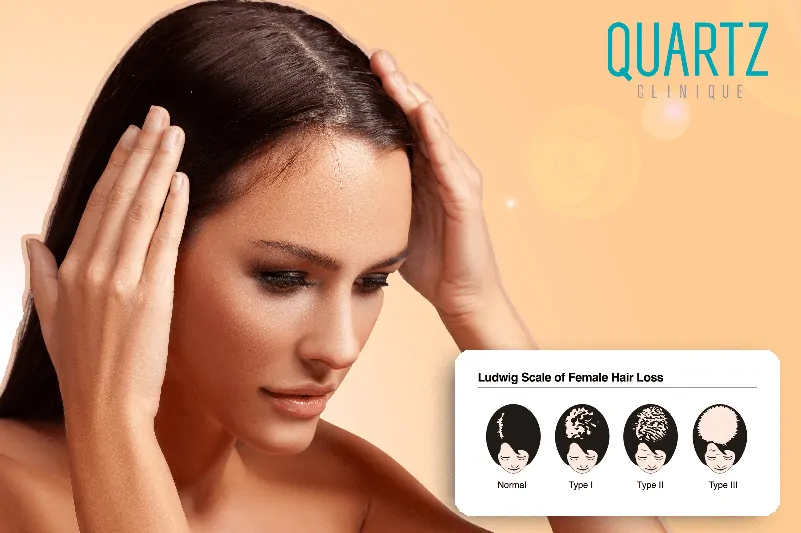
  • Central thinning (Ludwig or Olsen patterns)
  • Temple recession and loss of volume in the frontal hairline
  • Traction alopecia from tight hairstyles
  • Scar camouflage after previous surgery or injury
  • Eyebrow or sideburn reconstruction (select cases)

Techniques: FUE and DHI in Women

The two primary approaches in hair transplant for women are:

  • FUE (Follicular Unit Extraction): Individual follicles are extracted from the donor area (usually the back of the scalp) and placed into micro-channels in the recipient area. This technique offers minimal scarring, fast recovery, and high graft survival.
  • DHI (Direct Hair Implantation): Grafts are implanted directly using implanter pens, allowing precise angle control and high-density packing. This is often preferred in women because it can be performed without shaving the head, leaving only a small donor window hidden within the hair.
kadin sac ekimi

Step-by-Step: Women Hair Transplant Procedure

  1. Consultation & Diagnostic Tests – Includes blood and hormone panels, scalp analysis, and individualized planning.
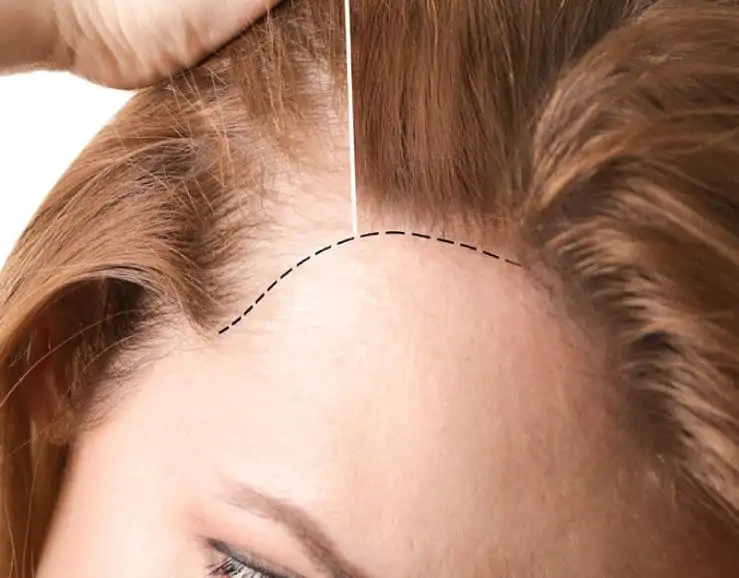
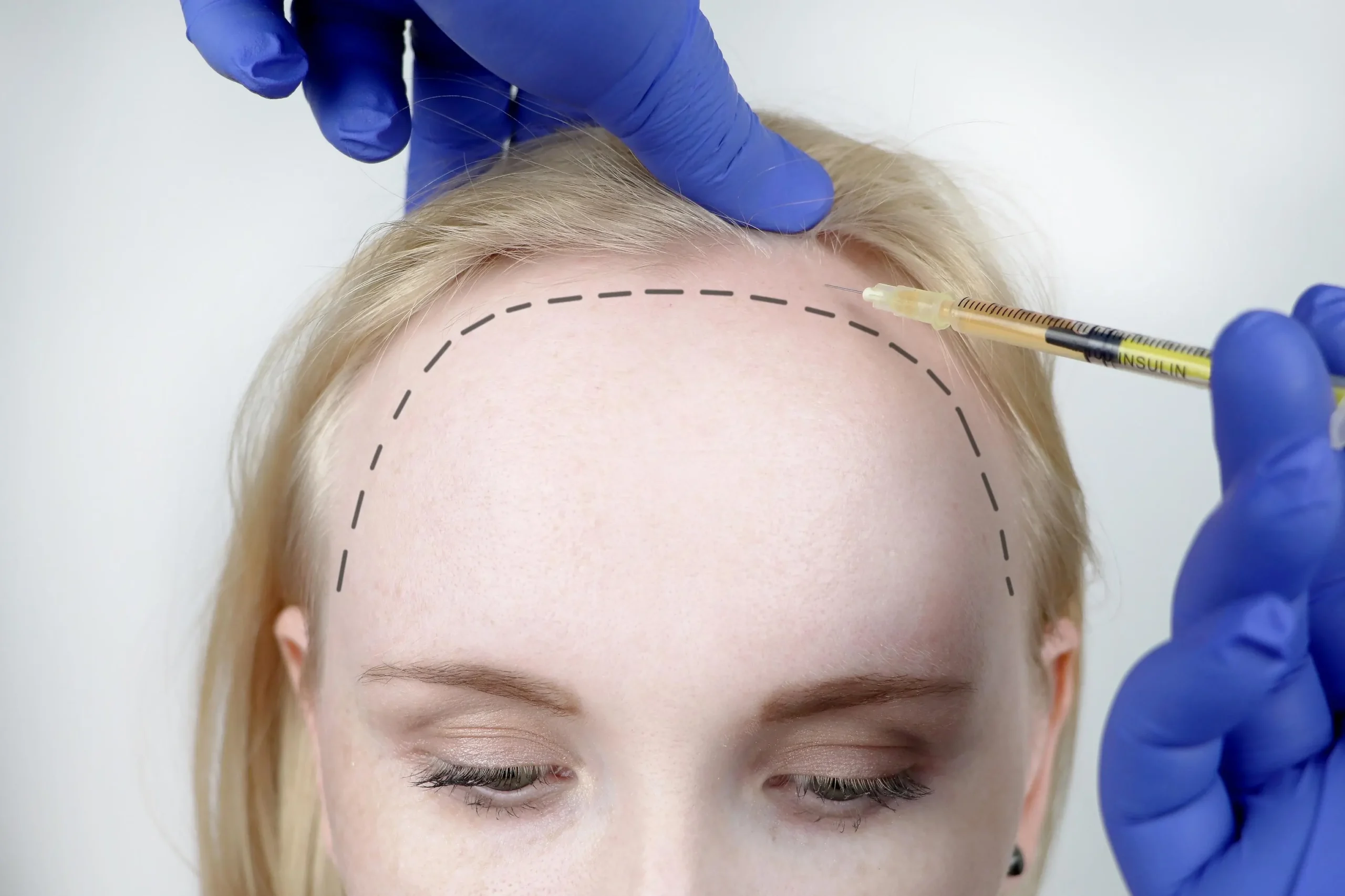
  2. Hairline Design – A natural, feminine hairline is drawn, considering facial ratios.
  3. Anesthesia – Local anesthesia ensures a painless procedure.
  4. Graft Extraction – Follicles are harvested from the occipital/parietal donor zones.
  5. Graft Preservation – Follicles are stored in nutrient solution until implantation.
  6. Implantation – Grafts are placed at natural angles and directions using FUE or DHI.
  7. Duration – On average, the surgery lasts 6–7 hours, depending on the number of grafts.

Recovery Timeline

  • Day 2: First wash with medical shampoo and lotion.
  • Days 3–7: Temporary redness, itching, and scabbing.
  • Day 10: Scabs fall off; patients can fully return to social life.
  • Months 1–3: Temporary “shock shedding” phase, considered normal.
  • Months 4–6: Early regrowth becomes visible.
  • Months 9–12: Final results with stable density and natural appearance.

Advantages of Hair Transplant for Women

  • Unshaven option: Performed without shaving, maintaining privacy.
  • Natural results: Hair direction and angulation ensure seamless blending.
  • Facial balance: Hairline lowering enhances overall symmetry.
  • Psychological impact: Restores self-esteem and improves quality of life.
  • Trusted destination: Turkey offers internationally recognized surgeons, advanced clinics, and affordable treatment options.

Women vs. Men: Comparison Table

Feature Hair Transplant for Women Hair Transplant for Men
Primary Goals Hairline lowering, temple filling, diffuse thinning coverage Baldness coverage, crown restoration
Shaving Requirement Unshaven or small hidden donor window Usually full or partial shaving
Preferred Technique DHI or FUE (often unshaven DHI) FUE or DHI
Recovery ~10 days to social life 10–14 days
Aesthetic Focus Natural feminine hairline & forehead balance Density, masculine framing

Hair Transplant Women Before and After

“Hair transplant women before and after” images are essential to demonstrate realistic outcomes. Clinical documentation typically shows:

  • Restoration of a lower, natural hairline
  • Increased density in previously thinning areas
  • Improved temple definition and facial framing
  • Thickening of central scalp regions

Standardized photographs from consultation to 12 months post-op provide objective evidence of the transformation.

Hair Transplant Women Cost in Turkey

When researching “hair transplant women cost in Turkey”, patients should note that pricing depends on:

  • Number of grafts required
  • Technique chosen (FUE vs. DHI, unshaven vs. partial shave)
  • Doctor’s expertise and clinical infrastructure
  • Inclusion of services such as accommodation, transfers, and aftercare

Exact figures cannot be published online due to national regulations. For a personalized quotation, patients are encouraged to contact the clinic directly.

kadinlarda sac ekimi scaled

FAQ – Hair Transplant for Women

Is there an age limit for women’s hair transplant?

Yes, candidates must be over 18.

Can the procedure be done during pregnancy or breastfeeding?

No, the safest time is after breastfeeding has ended.

Will there be visible scars?

No. FUE and DHI leave only microscopic extraction points, which are not noticeable.

Is unshaven hair transplant possible for women?

Yes, it is commonly performed without shaving.

How long until results are final?

Initial growth begins at 4–6 months; full results at 9–12 months.

Hair transplant for women in Turkey combines advanced techniques like FUE and DHI with unshaven options tailored for female patients. The procedure offers discreet, natural, and permanent results, restoring both hair density and confidence. With highly experienced surgeons and internationally accredited clinics, Turkey continues to be a leading destination for women seeking hair restoration.