Hair Transplant London

Hair Transplant London

The hair transplant procedure at Quartz Hair Clinic is carried out at our state-of-the-art surgical facility in Istanbul, Turkey.

Many individuals in London are struggling with hair loss, often seeking solutions abroad due to the prohibitively high costs of procedures in the UK. Turkey, as a global leader in health tourism, has become one of the most attractive destinations for hair transplant procedures. Combining medical excellence with affordability, clinics like Quartz Hair Clinic have established themselves as top choices for international patients.

Quartz Hair Clinic – A Trusted Destination

Located in Nişantaşı, Istanbul, Quartz Clinique is a specialized polyclinic founded in 2015 by Dr. Leyla Arvas and Dr. Ayşe Arvas Uluğ. The clinic provides cutting-edge services in aesthetic surgery, medical aesthetics, and anti-aging.

Quartz stands out particularly in hair transplantation, but also offers specialized treatments such as Angel Lip-Lift, Vaser Liposuction, Thread Face Lift, and Thermage CPT. With an internationally trained staff and advanced infrastructure, the clinic ensures high standards for both local and international patients.

Hair Transplant Packages for London Patients

Quartz Hair Clinic offers comprehensive all-inclusive packages to make the entire journey safe, comfortable, and cost-effective.

Package InclusionsDetails
InterpreterMultilingual support for effective communication
VIP TransfersAirport pick-up & drop-off in private vehicles
Accommodation3 nights in a 4- or 5-star hotel
Pre-Op ServicesBlood tests, initial examination, and detailed hair analysis
Operation ComfortPainless anesthesia and maximum grafts
Post-Op CareMedications, shampoo & lotion, and medical hair wash

Price Range: $1600 – $1950 (much lower than London clinics).

Hair Transplant Cost: London vs. Turkey

One of the most important reasons why London residents travel to Turkey for hair transplantation is the significant difference in cost.

LocationAverage CostWhat’s Included
London, UK£4,000 – £15,000Surgery only, extras not included
Istanbul, Turkey$1600 – $1950Hotel, transfers, medications, aftercare

This comparison clearly shows why Turkey offers unmatched value for money, without compromising quality.

Techniques Used at Quartz Hair Clinic

Quartz Hair Clinic employs the latest hair transplant techniques, ensuring that each patient receives the most suitable approach for their condition:

  • FUE (Follicular Unit Extraction): Individual follicle harvesting with minimal scarring.
  • Sapphire FUE: Sapphire blades for finer incisions and quicker healing.
  • DHI (Direct Hair Implantation): Transplantation with Choi Implanter Pen for natural density.
  • FUT (Follicular Unit Transplantation): Strip harvesting for large graft numbers.
  • Manual Punch Technique: Precision extraction in select cases.

Consultation & Preparation

Before undergoing a hair transplant at Quartz Hair Clinic, every patient goes through a thorough consultation process. This includes:

  • Detailed scalp and hair analysis
  • Discussion of expectations and goals
  • Selection of the appropriate technique (FUE, DHI, FUT)
  • Pre-operative health evaluation and blood tests

Patients are also advised to:

  • Avoid alcohol and smoking 1–2 weeks prior
  • Stop blood-thinning medications (under doctor’s supervision)
  • Maintain a healthy lifestyle for better recovery outcomes

For London residents, choosing Turkey – and specifically Quartz Hair Clinic in Istanbul – offers the perfect balance of affordability, expertise, and patient-centered care. With internationally trained surgeons, all-inclusive packages, and advanced techniques, patients can achieve natural, permanent results while enjoying the benefits of medical tourism.

Quartz Hair Clinic continues to be a trusted name in hair transplantation for international patients, delivering both beauty and health at global standards.

Removing Scabs After Hair Transplant Surgery

Removing Scabs After Hair Transplant Surgery

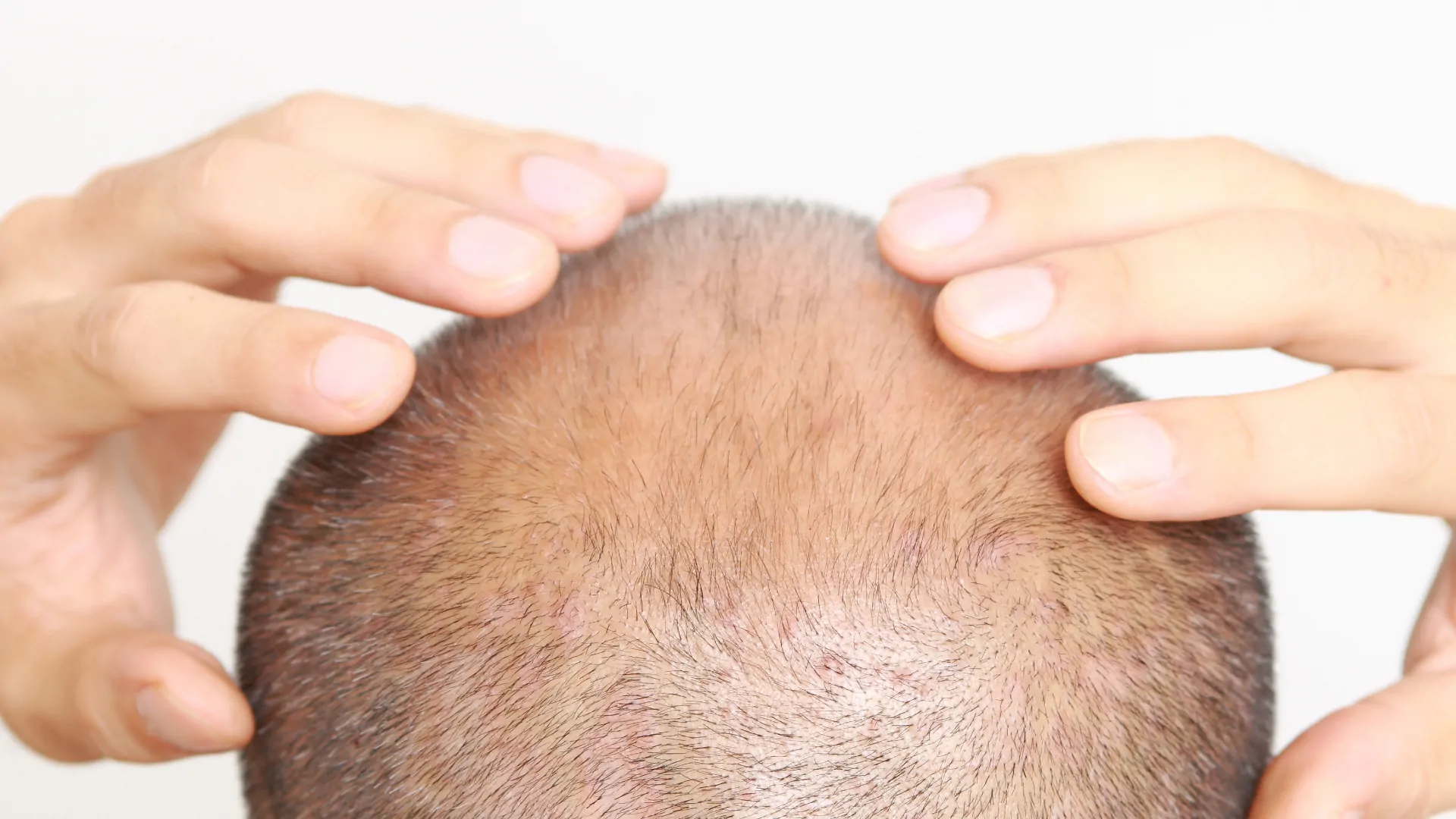
Removing scabs after hair transplant surgery is one of the most important steps in the recovery process. These tiny crusts are a natural part of healing — they form to protect the transplanted grafts and help your scalp recover. However, knowing when and how to remove scabs correctly is essential to ensure successful results and avoid damaging the new hair follicles.

At Quartz Hair Clinic in Istanbul, we guide every patient through each phase of the healing process, from surgery to full recovery. Let’s explore the safest techniques and post-operative care tips for scab removal after hair transplant surgery.

Why Do Scabs Form After Hair Transplant?

Scabs (or crusts) form as part of the body’s natural defense mechanism. During the procedure, hundreds or even thousands of micro-incisions are made on the scalp to implant new hair follicles. This process causes minor bleeding, leading to the formation of scabs to protect the healing wounds.

Scabs typically begin forming on the 2nd or 3rd day after the procedure, and they serve as a protective barrier to prevent infection and help the follicles stay in place. After your first gentle washes, these scabs will gradually soften and fall off on their own.

The Importance of Removing Scabs After Hair Transplant

While scabs are a natural and necessary part of healing, they should not stay on the scalp for too long. If left unremoved, they can block oxygen flow to the newly transplanted grafts, potentially affecting regrowth.
However, removing them too early or aggressively can dislodge grafts and lead to patchy results.

That’s why timing, technique, and patience are crucial.

Scab Formation and Healing Timeline After Hair Transplant

Days After SurgeryScalp ConditionRecommended Care
Day 1–3Tiny scabs and mild redness form on the recipient areaAvoid touching or washing the scalp; keep area clean and dry
Day 4–6Scabs harden and protect implanted graftsBegin gentle washing as instructed by your surgeon
Day 7–10Scabs begin to soften and fall off naturallyMassage gently with lotion or foam; use pH-balanced shampoo
Day 11–14Most scabs disappear, scalp looks cleanerConsult your doctor if scabs persist beyond two weeks

How to Remove Scabs After Hair Transplant: Step-by-Step

The best way to remove scabs is through proper washing and moisturizing, not picking or scratching.

1. Start Gentle Washing After 2–3 Days
Your doctor will provide a special lotion and shampoo. Apply the lotion gently over the transplanted area, leave it for about 30 minutes to soften the scabs, and rinse with small cups of lukewarm water.

2. Use pH5 Shampoo and Foam
During the first wash (usually around day 3), use a pH5 mild shampoo and crust-removing foam recommended by your clinic.
Allow the foam to sit on the scalp for 20–30 minutes before rinsing.

3. Avoid Using Fingernails
Always use your fingertips — never your nails — to massage the area. Picking can dislodge grafts and harm healing tissue.

4. Moisturize Daily
Use a gentle, clinic-approved moisturizer to keep the scalp hydrated. This helps soften scabs naturally and accelerates their shedding.

5. Massage Lightly After Day 7
After one week, once grafts have stabilized, you may begin light circular massages while washing. This helps remove any remaining crusts safely.

What Not to Do After Hair Transplant

To promote quick and healthy healing, follow these precautions:

  • Don’t scratch or pick your scalp.
  • Avoid hot water, saunas, and direct sunlight for at least two weeks.
  • Don’t smoke or drink alcohol for at least 3–5 days post-surgery — both delay healing.
  • Avoid heavy exercise or bending over for long periods.
  • Refrain from applying home remedies, oils, or creams not prescribed by your doctor.

If scabs persist longer than two weeks or the area shows redness, swelling, or pain, consult your surgeon immediately.

When Will Scabs Fall Off After Hair Transplant?

In most cases, scabs begin to fall off between days 7 and 14 after surgery.
By the end of the second week, the scalp should appear cleaner, and transplanted follicles should be firmly in place.

If the scabs haven’t fully disappeared after two weeks, your doctor might assist with a professional cleaning during your follow-up visit.

Can Scabs Affect Hair Growth?

If scabs are removed properly and at the right time, they will not harm your new grafts.
However, removing them too early can pull out follicles, while leaving them too long may suffocate the transplanted hairs.
That’s why timing and technique — guided by your surgeon’s post-op care plan — are essential for optimal growth.

Quick Recovery Tips for Patients

  • Use saline spray five days after surgery to keep your scalp hydrated.
  • You may soak your head in lukewarm water with baby oil for 30–45 minutes to soften crusts before washing.
  • Be gentle — let the scabs fall naturally rather than trying to peel them off.
  • Maintain a healthy diet and hydration to speed up scalp recovery.

Scabbing after a hair transplant is completely normal and temporary.
With proper aftercare and patience, your scalp will heal beautifully within two weeks, and your newly transplanted follicles will be ready to grow strong, natural-looking hair.

At Quartz Hair Clinic in Istanbul, our medical specialists provide detailed post-operative care instructions, personalized follow-ups, and advanced healing treatments to ensure the best results after your hair transplant.

Painless and Needle-Free Hair Transplant

Painless and Needle-Free Hair Transplant

Painless and needle-free hair transplant techniques have revolutionized the way patients experience hair restoration surgery.
One of the most common concerns among individuals considering a hair transplant is the fear of pain and needles during anesthesia. Thanks to modern technology, this fear is now a thing of the past.

Hair transplantation remains the most effective and permanent solution for hair loss caused by genetics, hormonal imbalance, trauma, or disease. Today, both men and women can undergo FUE or Sapphire hair transplant comfortably and pain-free with innovative needle-free anesthesia systems.

Is Hair Transplantation Painful?

The fear of pain is one of the main reasons people hesitate to undergo hair transplantation. However, with local anesthesia and sedation, the procedure is virtually pain-free.
During the operation, only the scalp is numbed, ensuring that the patient stays fully conscious and comfortable.

Patients might feel slight pressure or a mild tingling during anesthesia administration, but once numbness sets in, no pain is felt throughout the entire surgery.
Most patients describe the experience as comfortable and surprisingly easy.

What Is a Painless and Needle-Free Hair Transplant?

The needle-free hair transplant method uses high-pressure technology to deliver local anesthetic medication beneath the skin without using traditional needles.
The anesthetic penetrates the tissue through a pressurized spray device, diffusing quickly into the target area and numbing the nerves that transmit pain.

This system is especially beneficial for:

  • Patients with needle phobia (trypanophobia)
  • Those with low pain tolerance
  • Individuals seeking a more comfortable and anxiety-free experience

Even though minor pressure can still be felt, this technique eliminates the sharp sting of needle injections, providing a more relaxed and stress-free start to the procedure.

How Does Needle-Free Anesthesia Work?

During a Sapphire or FUE hair transplant, local anesthesia is applied twice:

  1. To the donor area (usually the back of the head)
  2. To the recipient area (where grafts will be implanted)

With the needle-free injector, anesthetic drugs are sprayed under high air pressure.
Once absorbed, the medication blocks pain signals from reaching the nerves, ensuring that the patient remains completely comfortable during graft extraction and implantation.

Some additional tumescent anesthesia may still be required with fine needles to enhance numbness, but the discomfort is greatly reduced compared to traditional methods.

Advantages of Painless and Needle-Free Hair Transplant

The latest innovations in local anesthesia offer many advantages that make hair transplantation safer and more comfortable than ever before.

BenefitDescription
No needle injectionsAnesthetic is delivered via air pressure — no sharp needle penetration
Less swelling and bruisingNo repeated punctures minimize redness and post-anesthesia swelling
Lower risk of infectionSkin remains intact, reducing contamination risk
Faster and more precise numbingLarger areas can be anesthetized evenly and quickly
Comfort for anxious patientsIdeal for those afraid of needles or sensitive to pain

Do You Feel Pain During or After a Hair Transplant?

During surgery, no pain is felt once local anesthesia takes effect. The numbing lasts for several hours and is refreshed throughout the procedure as needed.
Patients may only feel minor pressure or stretching sensations from movement but not actual pain.

After the surgery, some mild soreness or tightness may occur once anesthesia wears off. However, your doctor will prescribe pain relievers to keep you comfortable during the first evening.
Most patients report no pain at all by the next morning and don’t require additional medication.

What Happens During a Painless Hair Transplant?

Here’s a simplified overview of what you can expect:

  1. Preparation & Marking: The doctor designs the new hairline and prepares donor and recipient zones.
  2. Needle-Free Anesthesia: The anesthetic is applied through air pressure, numbing the scalp.
  3. Graft Extraction: Hair follicles are harvested painlessly using the FUE method.
  4. Canal Opening & Implantation: Tiny channels are created with a Sapphire blade for natural direction, and grafts are implanted carefully.
  5. Post-Op Care: After the operation, the area is cleaned, and the patient receives personalized care instructions.

How to Minimize Pain After Hair Transplant

Even though modern procedures are nearly pain-free, following these aftercare tips ensures optimal comfort and recovery:

💊 Take prescribed painkillers or anti-inflammatory medication on time.

🧴 Keep your scalp clean and moisturized as instructed.

💤 Sleep with your head elevated for the first few nights.

🚫 Avoid smoking and alcohol — they slow healing and can cause swelling.

💧 Stay hydrated and eat a nutrient-rich diet for faster recovery.

Why Choose Quartz Hair Clinic for Painless Hair Transplant?

At Quartz Hair Clinic Istanbul, we combine cutting-edge techniques such as DHI, FUE, and Sapphire hair transplant with needle-free anesthesia systems to provide the most comfortable experience possible.
Our internationally trained surgeons and experienced medical staff ensure natural results with minimal discomfort, even for patients with needle anxiety.

We also offer:

  • Sedation options for complete relaxation
  • State-of-the-art sterile surgical rooms
  • Continuous post-operative support and check-ups

The painless and needle-free hair transplant is transforming patient experiences in modern hair restoration.
Through advanced anesthesia systems, patients can achieve natural, permanent results without pain, fear, or anxiety.
Choosing a skilled and certified medical team is the key to ensuring safety, comfort, and long-term satisfaction.

Hair Transplant Birmingham

Hair Transplant Birmingham

In recent years, many individuals from the United Kingdom and around the world have begun to consider Turkey as their top choice for hair transplants.

There are several reasons for this shift. Let’s focus on the stories of those who decide to undergo hair transplants from Birmingham to Turkey and explore the advantages, cost-effectiveness, and the growing trend of medical tourism during their hair transplant journey.

For some time, many people dealing with hair loss in the UK have realized that hair transplants in the UK can be quite costly. The cost of the procedure, along with other related expenses, can be prohibitive.

However, many individuals are introduced to the idea of traveling to Turkey for hair transplants. They quickly discover that Turkey boasts world-class medical facilities and experienced hair transplant surgeons. Furthermore, the cost of hair transplants in Turkey is often significantly lower than what they would pay in the UK.Quartz Hair Clinic is one of the renowned clinics in Istanbul, Nişantaşı, Turkey, specializing in hair transplants and hair health. This clinic offers leading hair transplant techniques such as FUE, SAPPHIRE FUE, and DHI.

Additionally, they provide innovative methods like stem cell hair treatments, hair fillers, and hair laser treatments. Stem cell treatments are used to rejuvenate hair follicles and prevent hair loss, while hair laser treatments are an effective method to promote hair growth.

Developments in hair transplants and hair health in Turkey have made it an attractive choice for many individuals from the United Kingdom and worldwide. Turkey’s cost savings, expertise, all-inclusive packages, and natural results offer numerous advantages to those considering a hair transplant journey. Therefore, if you are thinking of getting a hair transplant from Birmingham to Turkey, Turkey might be the right destination for you.

Cost Savings: The most compelling factor is the significant cost savings. The cost of a hair transplant in Turkey is typically only a fraction of what individuals would pay in the UK. This makes it an extremely attractive option for those looking to regain their confidence without breaking the bank.

Expertise: Turkey has gained international recognition as a leader in hair transplant procedures. The country is home to highly experienced and skilled surgeons who employ the latest techniques and technology. This expertise instills the confidence individuals need to embark on this journey.

All-Inclusive Packages: Many clinics in Turkey offer all-inclusive packages that encompass not only the surgery but also accommodation, transportation, and post-operative care. This makes the journey smooth and comfortable for individuals.

Natural Results: People discover that Turkish clinics provide natural and aesthetically pleasing results. This is crucial for those who desire a fuller and healthier hairline that resembles their own.

Moreover, it is expected that in 2023, approximately 300,000 individuals from all around the world, not just the UK, will travel to Turkey for various medical procedures, including hair transplants. This increasing trend showcases the country’s appeal as a medical tourism destination.

In conclusion, the advantages that Turkey offers in terms of cost, expertise, all-inclusive packages, and natural results make it an ideal choice for individuals looking to regain their hair and confidence. The decision to undergo a hair transplant from Birmingham to Turkey can be life-changing.

Therefore, if you are considering a hair transplant in Birmingham, UK, remember that a better journey awaits you in Turkey, one of the most beautiful and vibrant destinations.Turkey has become a globally recognized center for hair transplants, and this success can be attributed to the use of modern techniques and experienced surgeons. Here are some of the most preferred hair transplant techniques in Turkey:

  • FUE (Follicular Unit Extraction): FUE is a method where individual hair follicles are extracted and transplanted to the recipient area. It leaves minimal scarring and offers a fast recovery process.
  • SAPPHIRE FUE: In this method, special sapphire blades are used to extract hair follicles. Sapphire blades create smaller incisions, leading to faster healing.
  • DHI (Direct Hair Implantation): DHI utilizes a specialized device that simplifies the process of implanting hair follicles into the recipient area. This technique requires less intervention during the procedure.

Understanding the underlying causes of hair loss is crucial before considering a hair transplant. Trichology is a scientific discipline focused on the health of hair and the scalp. The reasons for hair loss can stem from various factors, including hormonal changes, genetic factors, stress, poor nutrition, and hair care habits. Identifying the cause of hair loss is important in the hair treatment process.In order to prioritise the patient’s health and ensure the best recovery of the donor area, we suggest a two stage approach for a 5000 graft procedure. This method typically falls within the price range of £2290 to £8400.

Hair loss is a common concern that affects millions of men and women worldwide, including those living in Birmingham and across the United Kingdom. For individuals seeking an effective and permanent solution, hair transplantation has become one of the most popular procedures. While clinics in the UK do offer advanced options, an increasing number of patients from Birmingham are choosing Turkey as their primary destination for hair transplant surgery.

This growing trend is driven by Turkey’s cost-effectiveness, internationally recognized expertise, all-inclusive treatment packages, and natural results. In this article, we will explore why individuals from Birmingham prefer undergoing a hair transplant in Turkey, the most advanced techniques available, and the benefits of combining healthcare with medical tourism.

Why Patients from Birmingham Prefer Hair Transplants in Turkey

1. Significant Cost Savings

The cost difference is one of the most compelling factors. In the UK, a 5,000 graft hair transplant can cost between £7,000 and £20,000 depending on the clinic and surgeon’s expertise. In Turkey, the same procedure is available at a fraction of the cost, typically ranging from £2,290 to £8,400, making it far more accessible without compromising quality.

Country Average Cost (5,000 Grafts) Inclusions
United Kingdom £7,000 – £20,000 Surgery only, additional costs apply
Turkey £2,290 – £8,400 Surgery + hotel + transfers + aftercare

2. World-Class Expertise

Turkey is a global leader in hair restoration surgery. Clinics in Istanbul and other major cities host surgeons with extensive international training and decades of experience. Many Turkish clinics specialize exclusively in hair transplantation, offering advanced methods such as FUE, Sapphire FUE, and DHI.

3. All-Inclusive Packages

Patients traveling from Birmingham to Turkey benefit from comprehensive packages, which typically cover:

  • VIP airport transfers
  • 3–5 star hotel accommodation
  • Pre-operative blood tests and consultation
  • Surgery and local anesthesia
  • Post-operative medications and care products
  • Follow-up consultations

These packages make the experience seamless, ensuring patients only focus on their recovery.

4. Natural and Long-Lasting Results

Modern techniques used in Turkey guarantee aesthetic and natural results. Surgeons design the hairline carefully to match the patient’s facial proportions and age, ensuring that the transplanted hair blends seamlessly with existing hair.

Advanced Hair Transplant Techniques in Turkey

Turkey has become globally recognized not just for affordability, but also for offering the latest hair restoration methods.

Technique Description Advantages
FUE (Follicular Unit Extraction) Hair follicles are individually extracted from the donor area and implanted into the thinning region. Minimal scarring, fast recovery, natural appearance.
Sapphire FUE Uses sapphire blades for channel creation, leading to smaller incisions. Faster healing, less tissue damage, higher density.
DHI (Direct Hair Implantation) Follicles are implanted directly with an implanter pen. Higher precision, denser results, no need to shave entire head.

These advanced techniques ensure minimized scarring, reduced recovery time, and permanent natural-looking results.

Understanding Hair Loss Before Treatment

Before opting for a hair transplant, it is essential to understand the root causes of hair loss. Factors include:

  • Genetic predisposition (androgenetic alopecia)
  • Hormonal changes
  • Stress and lifestyle factors
  • Nutritional deficiencies
  • Poor hair care practices

Trichology, the scientific study of scalp and hair health, plays a crucial role in diagnosing and addressing these causes. Complementary treatments such as stem cell therapy, hair fillers, and laser hair therapy are also available in Turkey, often combined with transplantation for improved outcomes.

Hair Transplant Turkey vs. Birmingham: A Patient’s Journey

For many Birmingham residents, the journey begins with the realization that hair transplant surgery in the UK is prohibitively expensive. After exploring alternatives, they discover that Turkey offers world-class medical facilities at significantly reduced prices.

Patients typically follow this journey:

  1. Initial Consultation (Online): Medical history and donor area assessment.
  2. Arrival in Turkey: VIP airport pickup and hotel accommodation.
  3. Pre-Operative Examination: Blood tests, scalp analysis, and final planning.
  4. Surgery Day: FUE, Sapphire FUE, or DHI performed under local anesthesia.
  5. Aftercare & Recovery: First wash, medications, and aftercare instructions.
  6. Return to Birmingham: With remote follow-up consultations provided by the clinic.

Medical Tourism and Hair Transplantation in Turkey

Turkey’s reputation as a medical tourism hub continues to grow. In 2023, nearly 300,000 international patients traveled to Turkey for hair restoration and other aesthetic procedures. Istanbul, in particular, has become the epicenter of this industry, attracting patients from Birmingham, Manchester, London, and beyond.

Patients not only benefit from affordable treatments but also enjoy a cultural and touristic experience, making their journey both medical and memorable.

Conclusion – Why Birmingham Patients Choose Turkey

For individuals in Birmingham struggling with hair loss, choosing Turkey for a hair transplant provides:

  • Unmatched affordability without sacrificing quality
  • Highly skilled surgeons and advanced techniques (FUE, Sapphire FUE, DHI)
  • All-inclusive medical packages ensuring comfort and convenience
  • Natural, lifelong results that restore both appearance and confidence

Turkey has established itself as a global center of excellence in hair transplantation, offering a balance of medical expertise, affordability, and world-class hospitality.

 If you are considering a Hair Transplant in Birmingham, remember that your journey can be more cost-effective, comfortable, and successful in Turkey, one of the world’s leading destinations for hair restoration surgery.

Hair Filler Treatment

Hair Filler Treatment

Hair loss is a widespread condition affecting both men and women, often caused by genetic predisposition, hormonal imbalance, or external factors such as stress and poor scalp health. Hair filler treatment in Turkey has emerged as an innovative, non-surgical approach to strengthening hair follicles, reducing shedding, and promoting natural regrowth. The procedure nourishes the scalp with vital ingredients, improving blood circulation and stimulating dormant follicles for healthier, denser hair.

What Is Hair Filler?

Hair filler is an advanced injectable treatment designed to rejuvenate the scalp, improve hair density, and restore weakened follicles. Unlike topical products, hair fillers deliver bioactive substances—such as hyaluronic acid, peptides, and vitamins—directly into the scalp, targeting the root cause of thinning hair.

This minimally invasive procedure is ideal for patients seeking a non-surgical alternative to hair transplantation. It helps to stimulate blood flow, regenerate damaged cells, and encourage the natural growth cycle.

How Is Hair Filler Applied?

Hair filler treatment is performed through micro-injections into the scalp using fine needles. The process takes approximately 30–45 minutes and is performed under local anesthesia or with a numbing cream to ensure patient comfort.

Application steps include:

  • Cleansing the scalp and applying local anesthesia.
  • Injecting the filler solution into areas with visible thinning or hair loss.
  • Gently massaging the scalp to distribute the product evenly.
  • Post-procedure care instructions to maintain hydration and protect the scalp.

For optimal results, patients typically require three to four sessions, spaced two to three weeks apart.

Who Is a Suitable Candidate for Hair Filler?

Hair filler injections can benefit a wide range of individuals, including:

  • Those experiencing genetic or stress-related hair loss
  • Individuals with thinning or brittle hair
  • Women suffering from postpartum or hormonal shedding
  • Patients seeking preventive scalp care
  • People who want to enhance the effects of hair transplantation

Hair filler can be performed on both men and women, as long as the scalp is healthy and free of infection.

hair loss treatments

Benefits of Hair Filler Treatment

The advantages of hair filler injections extend beyond cosmetic improvement. They directly support scalp health and hair regeneration through active cellular stimulation.

Key benefits include:

  • Strengthens and thickens hair shafts
  • Enhances blood circulation in the scalp
  • Stimulates new follicle formation
  • Reduces hair shedding
  • Revitalizes dull, lifeless hair
  • Provides natural shine and volume
  • Delivers essential nutrients for hair root regeneration

Clinical results can become noticeable within 30 days, with continuous improvement after each session.

Hair Filler vs. Hair Transplantation

Although both treatments aim to restore hair density, they differ in application, mechanism, and permanence. The following table compares their main characteristics:

Criteria Hair Filler Injection Hair Transplantation
Type of Procedure Non-surgical, injectable treatment Surgical procedure involving follicle transfer
Goal Stimulate hair growth and strengthen follicles Restore lost hair permanently by transplanting follicles
Duration 30–45 minutes per session 4–8 hours (one-time surgery)
Downtime Minimal, return to daily life immediately Requires recovery period of 7–10 days
Result Duration 6–12 months with maintenance Permanent

Is Hair Filler an Alternative to Hair Transplantation?

Hair filler injections are not a substitute for hair transplantation but can serve as a complementary treatment. For patients who have undergone hair transplant surgery, fillers help strengthen the transplanted follicles and accelerate healing. For early-stage hair loss, hair filler alone can provide excellent results without the need for surgery.

FDA-Approved Medications for Hair Loss

Several FDA-approved medications are commonly used to complement hair filler treatments, particularly for patients with androgenetic alopecia.

Main approved drugs include:

  • Minoxidil (Rogaine): A topical solution that stimulates hair growth.
  • Finasteride (Propecia): An oral medication that blocks DHT hormone, preventing follicle shrinkage.
  • Dutasteride (Avodart): Similar to Finasteride, used for resistant cases.
  • Ketoconazole (Nizoral): Antifungal agent improving scalp health and reducing inflammation.

These medications can be combined with hair filler injections under medical supervision to enhance outcomes.

Does Hair Filler Stop Hair Loss Completely?

While hair filler injections significantly reduce shedding and improve scalp vitality, they may not completely eliminate hair loss—especially when caused by severe hormonal or genetic factors. Regular maintenance sessions and a healthy scalp care routine are essential to sustain results.

Hair Filler Price in Turkey

The cost of hair filler treatment in Turkey varies depending on the clinic, doctor’s experience, and number of sessions required. Prices generally range between €200 and €400 per session, offering excellent value compared to European clinics.

For the most accurate pricing, it is advisable to contact Quartz Hair Clinic Istanbul directly via WhatsApp or phone for personalized consultation and package options.

FAQs About Hair Filler Treatment

1. How long does a hair filler treatment last?

Results typically last between 6 and 12 months, depending on the individual’s scalp condition, hair care routine, and overall health. Regular maintenance sessions are recommended for prolonged effects.

2. When will I see results after hair filler treatment?

Initial improvement in hair thickness and scalp texture is often visible within 3–4 weeks. Noticeable regrowth and density improvements become evident after completing the full treatment cycle.

3. Is hair filler safe for women?

Yes. Hair filler injections are safe and effective for both men and women. They are especially beneficial for postpartum hair loss and hormonal thinning in women.

4. Can I combine hair filler with PRP or mesotherapy?

Absolutely. Combining hair filler with PRP (Platelet-Rich Plasma) or hair mesotherapy can enhance the regenerative effect, accelerating scalp recovery and promoting stronger growth.

5. Is the hair filler procedure painful?

Mild discomfort may occur during injection, but local anesthesia or numbing creams make the procedure nearly painless.

6. Are there any side effects?

Side effects are minimal and temporary, such as slight redness, swelling, or tenderness at the injection site. These typically subside within 24–48 hours.

7. Can I wash my hair after the treatment?

It’s recommended to avoid washing your hair or using styling products for at least 24 hours after treatment to allow the product to absorb properly.

Hair filler treatment in Turkey offers a scientifically proven, minimally invasive solution for individuals struggling with thinning hair or early hair loss. By revitalizing the scalp and stimulating natural growth, it restores density, shine, and confidence. Whether used alone or in combination with hair transplantation, hair filler remains one of the most effective innovations in modern hair restoration medicine.

How To Remove Edema After Hair Transplant?

How To Remove Edema After Hair Transplant?

Mild swelling, known medically as edema, is one of the most common temporary side effects after hair transplantation. It usually appears within the first few days following surgery — especially on the forehead and around the eyes — and tends to resolve naturally within a few days.

While this swelling is not dangerous, it can cause discomfort or temporary cosmetic concern. Fortunately, there are several effective ways to reduce edema after a hair transplant and promote faster recovery.

At Quartz Hair Clinic in Istanbul, our surgeons provide detailed aftercare instructions to minimize swelling, speed up healing, and ensure the most natural-looking results.

What Causes Edema After Hair Transplant?

Swelling occurs as part of the body’s natural healing response to surgical trauma. During hair transplant surgery (such as FUE or DHI), small incisions are made in the scalp to insert grafts. The body reacts by increasing fluid and blood flow to the area to protect and heal the tissue.

Several factors can contribute to swelling after a hair transplant:

  • Local anesthesia: During the procedure, anesthesia fluid is injected under the scalp. As this fluid disperses post-surgery, it can move downward, causing temporary puffiness in the forehead and around the eyes.
  • Inflammatory response: The immune system sends white blood cells to repair tissue, which may lead to short-term swelling.
  • Gravity and skin elasticity: In some patients, especially those with loose skin or older age, fluids tend to collect around the eyes or forehead.
  • Duration of surgery: Longer procedures may increase fluid retention, slightly intensifying post-op swelling.

Is Swelling After Hair Transplant a Sign of a Problem?

In most cases, edema is completely normal and harmless. It typically peaks around the third or fourth day after surgery and fades away by the end of the first week.

However, persistent swelling accompanied by symptoms such as pain, pus, itching, or fever could indicate infection or another complication. In such cases, contact your surgeon immediately.

Avoid driving or operating machinery if swelling affects your vision. Most patients can safely resume their daily activities once swelling subsides.

How Common Is Edema After Hair Transplant?

Studies show that approximately 50–55% of hair transplant patients experience some degree of swelling.
Those who follow post-operative care instructions or receive steroid prophylaxis often experience milder symptoms.

In short, it’s a common but temporary side effect — not a sign of a failed or “botched” procedure.

Timeline of Swelling After Hair Transplant

DayWhat HappensRecommended Care
Day 1–2Mild forehead tightness may appear as anesthesia begins to wear offKeep head elevated, avoid touching or bending forward
Day 3–4Swelling may shift to the forehead and around the eyesApply cold compresses, avoid exercise or sauna
Day 5–7Swelling begins to subside graduallyDrink plenty of water and follow your doctor’s medication plan
After Day 7Most swelling disappears; only minor puffiness may remainResume normal activities, continue gentle washing and care

Effective Ways to Reduce Edema After Hair Transplant

Even though swelling is self-limiting, the following methods can significantly reduce edema and discomfort after a hair transplant.

1. Apply Cold Compresses

Use an ice pack or cold compress on your forehead and around the eyes (not directly on the transplanted area).
Apply for 10 minutes several times a day to constrict blood vessels and reduce puffiness.

2. Sleep with Your Head Elevated

For the first 3–5 days, sleep with your head raised at a 45° angle using extra pillows or a recliner chair.
This prevents fluid from collecting in the forehead area and speeds up drainage.

3. Stay Hydrated

Drink 2–3 liters of water daily. Hydration helps the body eliminate anesthesia fluid and reduce inflammation.
Dehydration can worsen swelling and slow healing.

4. Use Steroid or Anti-Inflammatory Medication (If Prescribed)

Your surgeon may prescribe steroid tablets or topical medication to minimize swelling. Take them exactly as directed.
Avoid Ibuprofen, as it can cause water retention — instead, use paracetamol for pain relief.

5. Gentle Forehead Massage (If Approved by Your Surgeon)

After a few days, you can gently sweep the forehead from the center toward the sides using your fingertips.
This encourages lymphatic drainage and helps remove excess fluid.

6. Avoid Exercise and Sweating

For at least three days after surgery, avoid physical activities that cause sweating or increase blood pressure.
Exercise can worsen swelling or disturb grafts in the early recovery phase.

What If Swelling Doesn’t Go Away?

If edema lasts longer than 10–14 days, becomes painful, or affects your vision, contact your hair transplant surgeon immediately.
Prolonged swelling may indicate an infection or an allergic reaction, requiring professional evaluation.

Your doctor may recommend:

  • A short course of corticosteroids
  • Topical cooling gels or ointments
  • Additional hydration and rest

Avoid self-medicating with over-the-counter anti-inflammatory drugs unless specifically approved by your surgeon.

Quick Tips to Prevent Swelling After Hair Transplant

💧 Hydrate properly — drink plenty of water before and after surgery.

💤 Sleep elevated for the first week.

❄️ Use ice compresses gently on the forehead (never on grafts).

🚫 Avoid alcohol and smoking for at least three days post-surgery.

🏃‍♂️ Refrain from intense workouts until your doctor approves.

💊 Follow your medication schedule as prescribed by your surgeon.

Edema after hair transplant is a natural, temporary reaction that typically resolves within a few days.
By carefully following your surgeon’s instructions, maintaining hydration, and applying simple preventive measures, you can minimize swelling and recover more comfortably.

At Quartz Hair Clinic in Istanbul, our expert surgeons and aftercare team are committed to ensuring that each patient experiences a smooth, safe, and comfortable recovery following hair transplantation.